Department of Cell Biology, Neurobiology and Anatomy, Medical College of Wisconsin, Milwaukee, WI, United States.
Division of Pediatric Hematology/Oncology, School of Medicine, University of Pittsburgh, Pittsburgh, PA, United States.
Pain. 2018 Aug;159(8):1652-1663. doi: 10.1097/j.pain.0000000000001253.
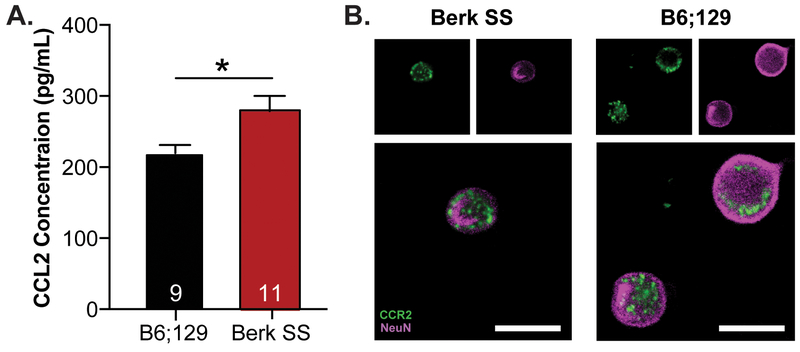
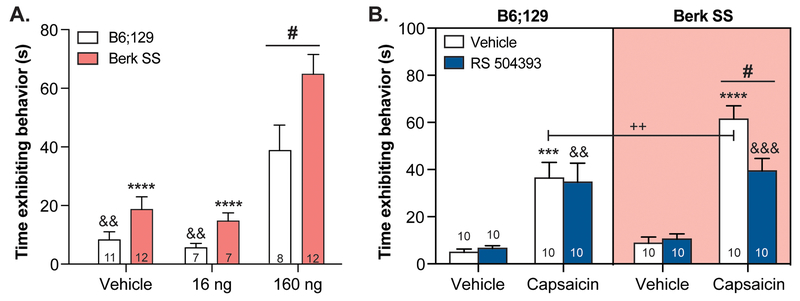
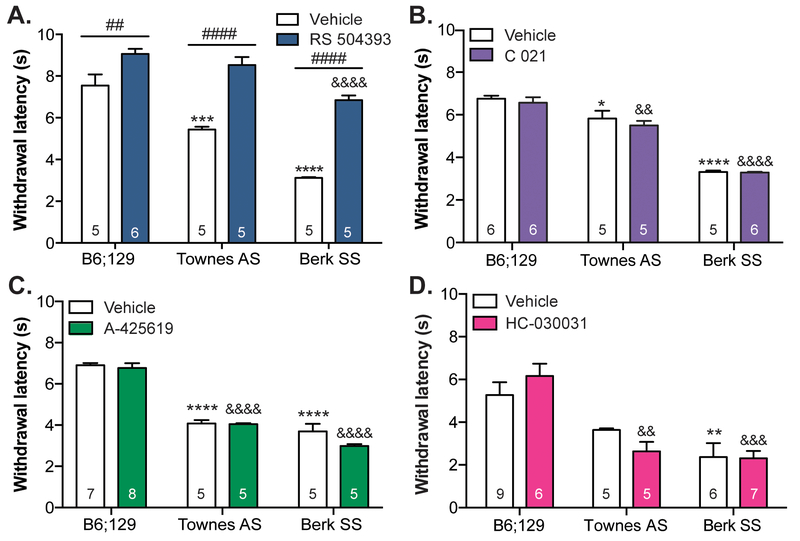
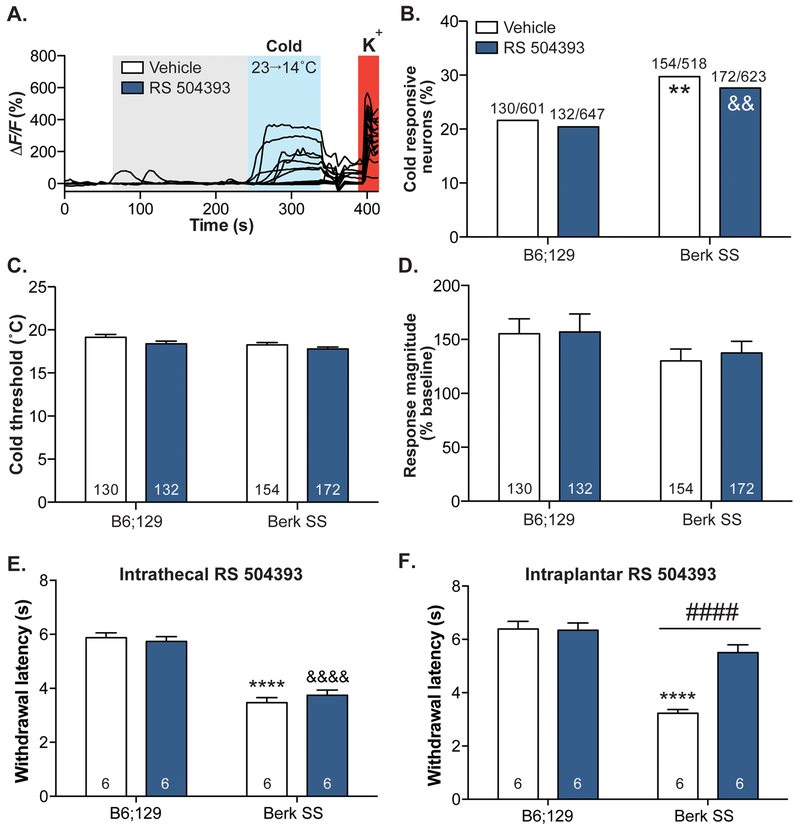
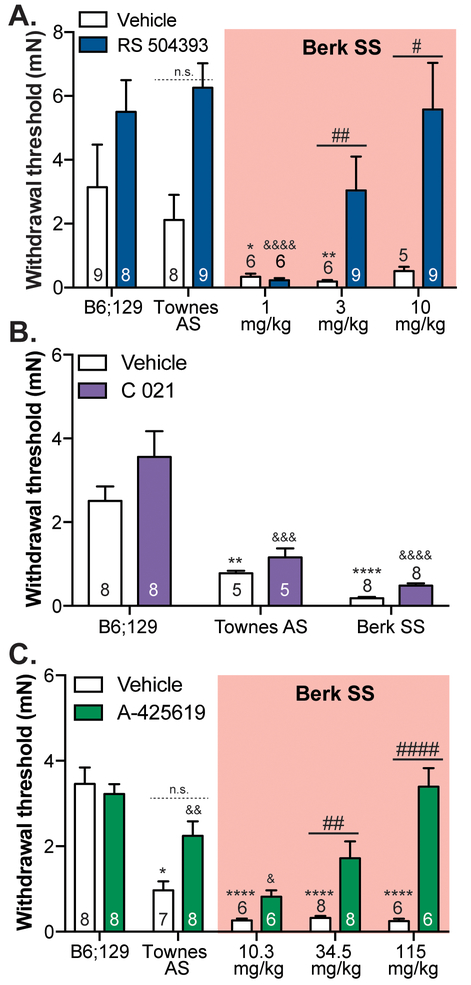
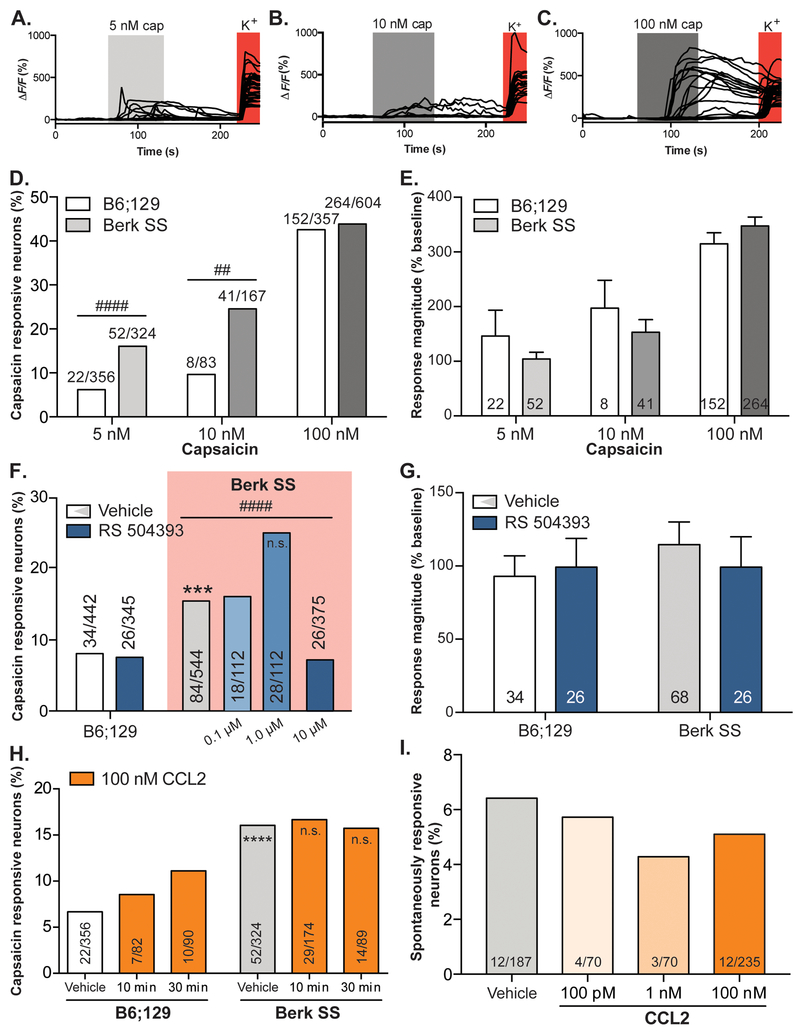
Approximately one-third of individuals with sickle cell disease (SCD) develop chronic pain. This debilitating pain is inadequately treated because the underlying mechanisms driving the pain are poorly understood. In addition to persistent pain, patients with SCD are also in a tonically proinflammatory state. Previous studies have revealed that there are elevated plasma levels of many inflammatory mediators including chemokine (c-c motif) ligand 2 (CCL2) in individuals with SCD. Using a transgenic mouse model of SCD, we investigated the contributions of CCL2 signaling to SCD-related pain. Inhibition of chemokine receptor 2 (CCR2), but not CCR4, alleviated the behavioral mechanical and cold hypersensitivity in SCD. Furthermore, acute CCR2 blockade reversed both the behavioral and the in vitro responsiveness of sensory neurons to an agonist of TRPV1, a neuronal ion channel previously implicated in SCD pain. These results provide insight into the immune-mediated regulation of hypersensitivity in SCD and could inform future development of analgesics or therapeutic measures to prevent chronic pain.
大约三分之一的镰状细胞病(SCD)患者会出现慢性疼痛。这种使人虚弱的疼痛治疗效果不佳,因为导致疼痛的潜在机制尚未被充分理解。除了持续的疼痛外,SCD 患者还处于持续的促炎状态。先前的研究表明,SCD 患者的血浆中有许多炎症介质的水平升高,包括趋化因子(C-C 基序)配体 2(CCL2)。我们使用 SCD 的转基因小鼠模型研究了 CCL2 信号对 SCD 相关疼痛的贡献。趋化因子受体 2(CCR2)的抑制作用,但不是 CCR4,减轻了 SCD 的行为性机械和冷敏性。此外,急性 CCR2 阻断作用逆转了感觉神经元对 TRPV1 激动剂的行为和体外反应性,TRPV1 是一种神经元离子通道,先前与 SCD 疼痛有关。这些结果深入了解了 SCD 中过敏反应的免疫调节,并为未来开发预防慢性疼痛的镇痛药或治疗措施提供了信息。