Marasco Silvana F, Tutungi Elli, Vallance Shirley A, Udy Andrew A, Negri Justin C, Zimmet Adam D, McGiffin David C, Pellegrino Vincent A, Moshinsky Randall A
Innovations (Phila). 2018 Mar/Apr;13(2):97-103. doi: 10.1097/IMI.0000000000000489.
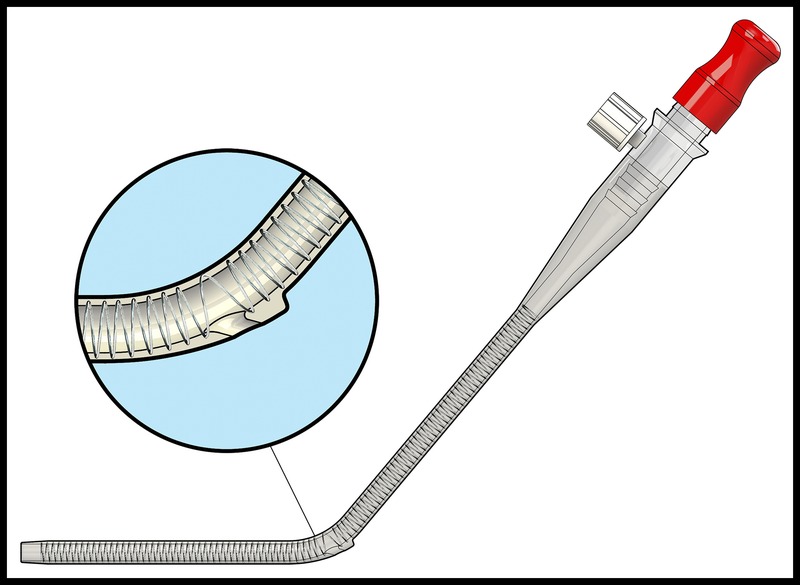
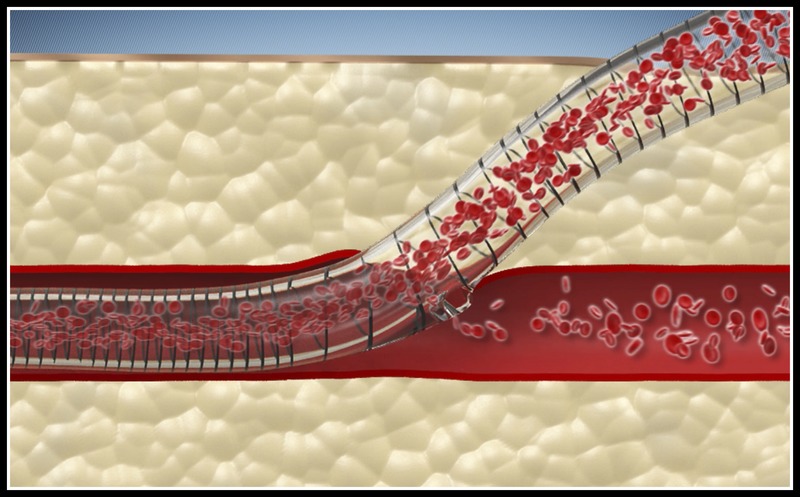
Leg ischemia is a serious complication of femoral artery cannulation. The primary aim of this study was to assess the safety and efficacy of a novel bidirectional femoral arterial cannula (Sorin Group USA, a wholly owned subsidiary of LivaNova PLC, Arvada, CO USA) that provides both antegrade and retrograde flow, in patients undergoing peripheral cannulation for cardiopulmonary bypass during cardiac surgery.
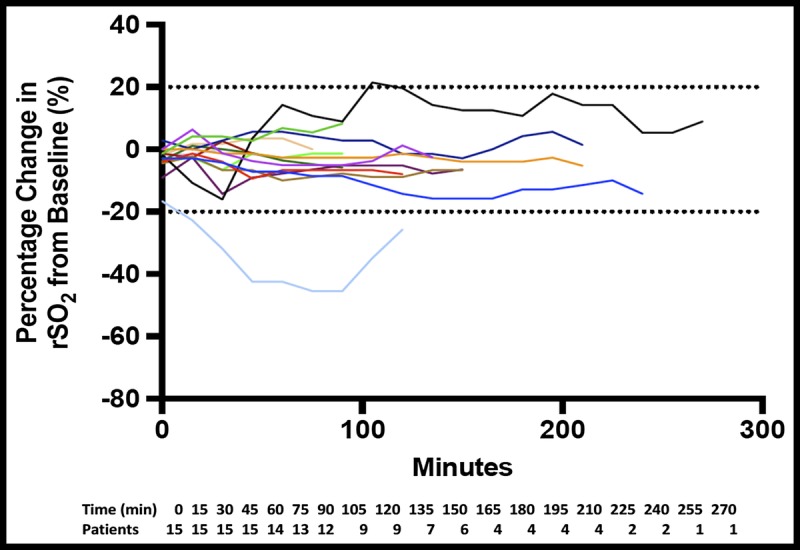
Patients undergoing routine cardiac surgery requiring femoral artery cannulation for cardiopulmonary bypass were identified preoperatively. Informed written consent was obtained in all cases. Bidirectional cannula insertion used either a surgical cut-down and wire through needle approach or a percutaneous technique. Flow in the superficial femoral artery was assessed using Doppler ultrasound after commencement of cardiopulmonary bypass. Lower limb perfusion was assessed using reflectance near-infrared spectroscopy to measure regional oxygen saturations in the cannulated limb during cardiopulmonary bypass.
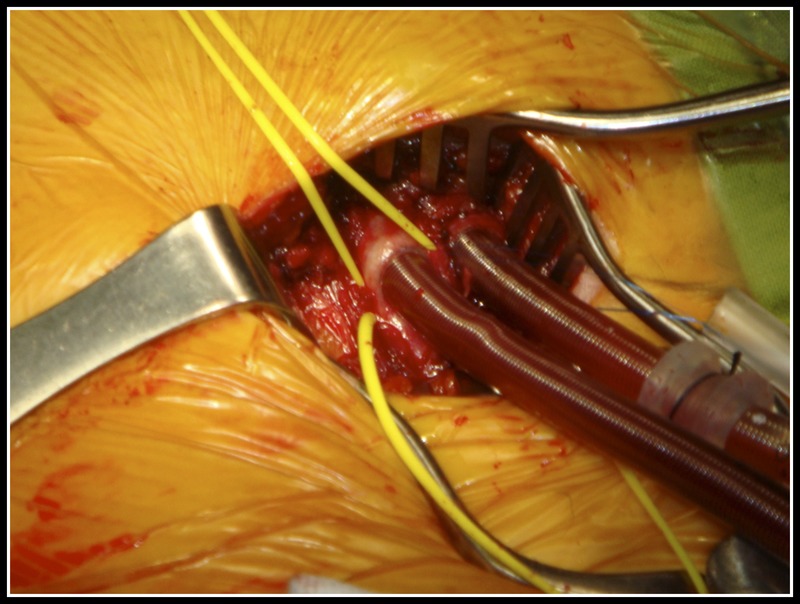
Fifteen patients (median age = 61.3 years, range = 26-79 years, 10 males, 5 females) underwent femoral arterial cannulation using the novel bidirectional femoral cannula between August 2016 and May 2017. Fourteen cannulae were inserted directly into the femoral artery via a surgical cut-down and wire through needle technique. One bidirectional cannula was inserted using a percutaneous insertion technique. Indications included minimally invasive mitral and aortic valve surgery, thoracic aortic aneurysm repair, and redo cardiac surgery. The median duration of cardiopulmonary bypass was 129 minutes (range = 53-228 minutes). The cannula was inserted and positioned without difficulty in 14 of 15 patients. Incorrect sizing and arterial spasm prevented correct cannula positioning in one patient. Antegrade flow in the superficial femoral artery was observed on Doppler ultrasound in 12 of 12 patients in which this was performed. Continuous stable distal perfusion was demonstrated in the cannulated limb in 14 of 15 patients. No procedural complications occurred in the immediate or convalescent postoperative period.
This study demonstrates that in patients undergoing femoral arterial cannulation for cardiopulmonary bypass during cardiac surgery, the use of a novel bidirectional cannula is safe and easy to insert and provides stable distal perfusion of the cannulated limb. Use of the device should largely obviate the need to insert a separate downstream perfusion cannula or use other techniques to protect against lower limb ischemia. Further research on a larger scale and in different patient populations is now warranted.
腿部缺血是股动脉插管的严重并发症。本研究的主要目的是评估一种新型双向股动脉插管(美国索林集团,利伐诺瓦股份有限公司的全资子公司,美国科罗拉多州阿瓦达)在心脏手术中进行体外循环外周插管患者中的安全性和有效性,该插管可提供顺行和逆行血流。
术前确定需要股动脉插管进行体外循环的常规心脏手术患者。所有病例均获得知情书面同意。双向插管采用手术切开并通过针穿入导丝的方法或经皮技术。体外循环开始后,使用多普勒超声评估股浅动脉血流。在体外循环期间,使用反射式近红外光谱法测量插管肢体的局部氧饱和度,以评估下肢灌注情况。
2016年8月至2017年5月期间,15例患者(中位年龄 = 61.3岁,范围 = 26 - 79岁,男性10例,女性5例)使用新型双向股动脉插管进行了股动脉插管。14根插管通过手术切开并通过针穿入导丝技术直接插入股动脉。1根双向插管采用经皮插入技术。适应证包括微创二尖瓣和主动脉瓣手术、胸主动脉瘤修复及再次心脏手术。体外循环的中位持续时间为129分钟(范围 = 53 - 228分钟)。15例患者中有14例插管插入和定位顺利。1例患者因尺寸不合适和动脉痉挛导致插管定位错误。12例进行此项检查的患者中,有12例在多普勒超声检查中观察到股浅动脉的顺行血流。15例患者中有14例在插管肢体中显示出持续稳定的远端灌注。术后即刻或恢复期未发生手术并发症。
本研究表明,在心脏手术中进行体外循环股动脉插管的患者中,使用新型双向插管安全且易于插入,并能为插管肢体提供稳定的远端灌注。使用该装置应在很大程度上避免需要插入单独的下游灌注插管或使用其他技术来预防下肢缺血。现在有必要在更大规模和不同患者群体中进行进一步研究。