HTRG-Heidelberg Trauma Research Group, Center for Orthopedics, Trauma Surgery and Spinal Cord Injury, Trauma and Reconstructive Surgery, Heidelberg University Hospital, Heidelberg, Germany.
PLoS One. 2018 Apr 26;13(4):e0196051. doi: 10.1371/journal.pone.0196051. eCollection 2018.
Autologous bone grafting (ABG) remains the gold standard for augmentation of bone defects. The RIA system has become more prevalent, but evidence regarding risk management and complications remain scarce. This study presents the risk management and complications associated with RIA in the largest single-center case series to date.
All records, operative notes, lab data and radiographs of patients receiving a RIA procedure at Heidelberg´s University Hospital between 01/01/2010 and 31/12/2016 were reviewed. Multivariate logistic regression models adjusting for clinically relevant covariates were used to examine the respective relevance regarding the presence and absence of prolonged postoperative pain (PPP).
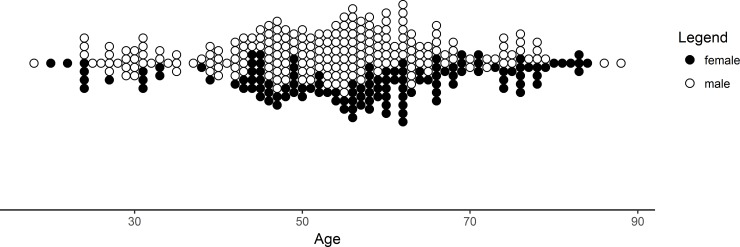
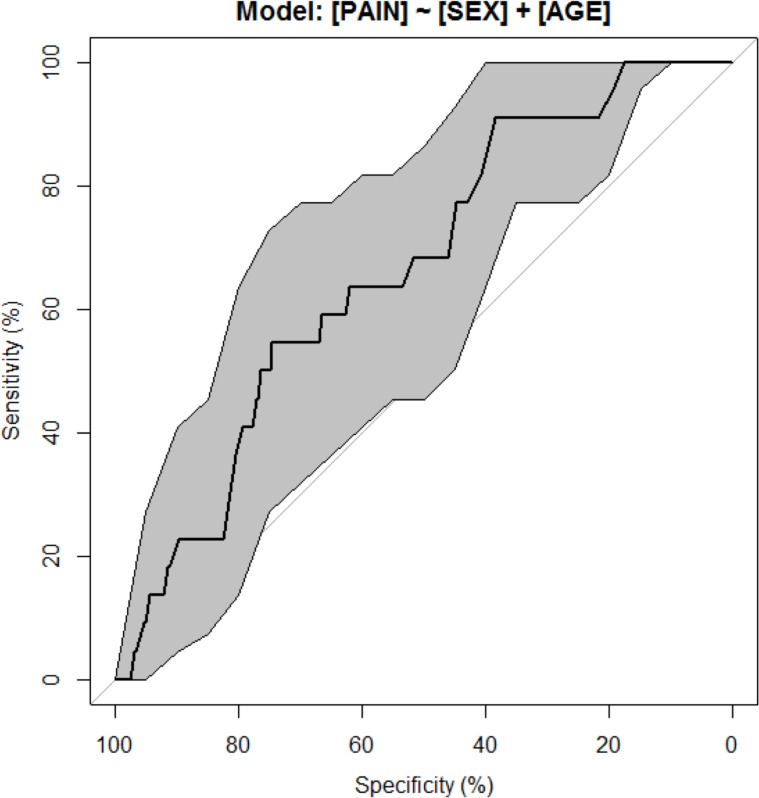
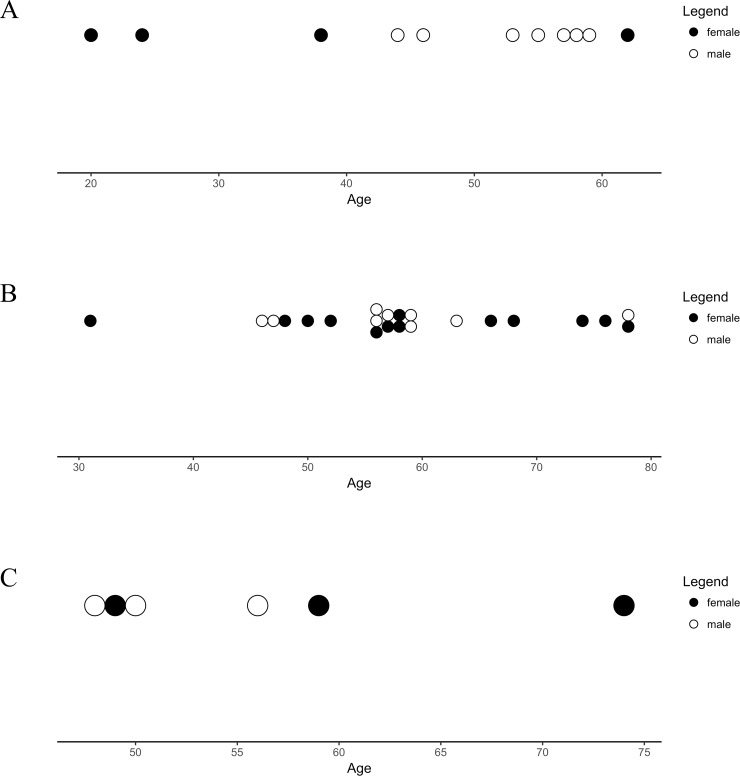
A total of 341 RIA procedures on 306 patients were performed at our level-1 trauma center. The femur was the main donor site (98.53%; N = 336) whereas only in 1.47% (N = 5) the tibia was utilized. A total of 11 patients showed a relevant loss of hemoglobin requiring blood transfusion. A total of 22 patients suffered from PPP directly associated with the RIA procedure resulting in prevalence of 6.45%. The 6 major complications in our study were of diverse origin and all intraoperative complications took place in the early phase of the RIA procedure in our center (2010-2013). Our data revealed influence of sex (p = 0.0459) and age (p = 0.0596) on the criterion PPP. The favored model including sex and age resulted in an AUC of 66.2% (CI: 55.5%-76.9%).
Perioperative blood loss remains a prevalent complication during RIA reaming. In addition, PPP occurs with a prevalence of 6.45%. This study showed a complication rate of 1.76%, emphasizing RIA´s overall safety and furthermore highlighting the need for vigilance in its application and prior extensive hands-on training of surgeons. Level of Evidence: II.
自体骨移植(ABG)仍然是骨缺损增强的金标准。RIA 系统已经越来越普及,但关于风险管理和并发症的证据仍然很少。本研究报告了迄今为止最大的单中心病例系列中与 RIA 相关的风险管理和并发症。
回顾了海德堡大学医院 2010 年 1 月 1 日至 2016 年 12 月 31 日期间接受 RIA 手术的所有患者的记录、手术记录、实验室数据和 X 光片。使用多变量逻辑回归模型,调整临床相关协变量,以检查与术后长期疼痛(PPP)的存在和不存在相关的各自相关性。
在我们的 1 级创伤中心共进行了 341 例 RIA 手术,共 306 例患者。股骨是主要的供体部位(98.53%;N=336),而胫骨仅用于 1.47%(N=5)的患者。共有 11 名患者出现血红蛋白显著丢失,需要输血。共有 22 名患者出现与 RIA 手术直接相关的 PPP,患病率为 6.45%。我们研究中的 6 大主要并发症来源不同,所有术中并发症均发生在我们中心的 RIA 手术早期(2010-2013 年)。我们的数据显示,性别(p=0.0459)和年龄(p=0.0596)对 PPP 标准有影响。纳入性别和年龄的首选模型得出的 AUC 为 66.2%(CI:55.5%-76.9%)。
RIA 扩孔过程中围手术期失血仍然是一种常见的并发症。此外,PPP 的患病率为 6.45%。本研究显示并发症发生率为 1.76%,强调了 RIA 的整体安全性,并进一步强调了在应用和对外科医生进行广泛的实践培训之前保持警惕的必要性。证据等级:II。