Department of Pharmacology and Physiology, Drexel University College of Medicine, Philadelphia, PA 19102, United States.
Brain Res. 2019 Jan 1;1702:54-73. doi: 10.1016/j.brainres.2018.04.030. Epub 2018 Apr 27.
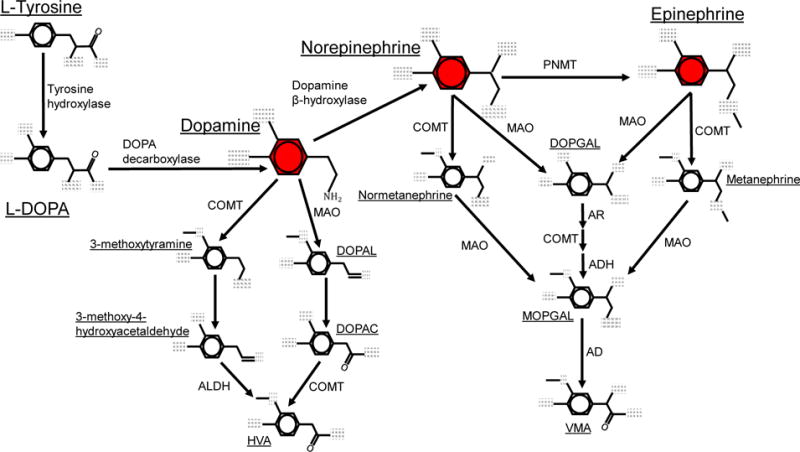
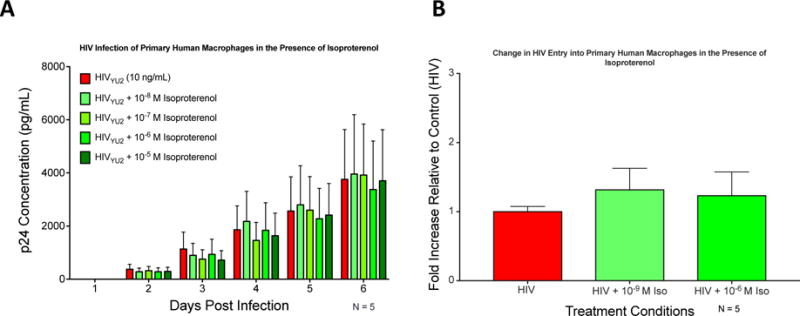
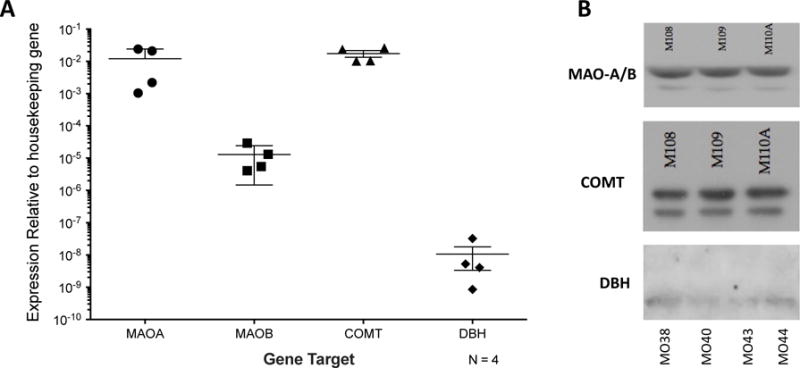
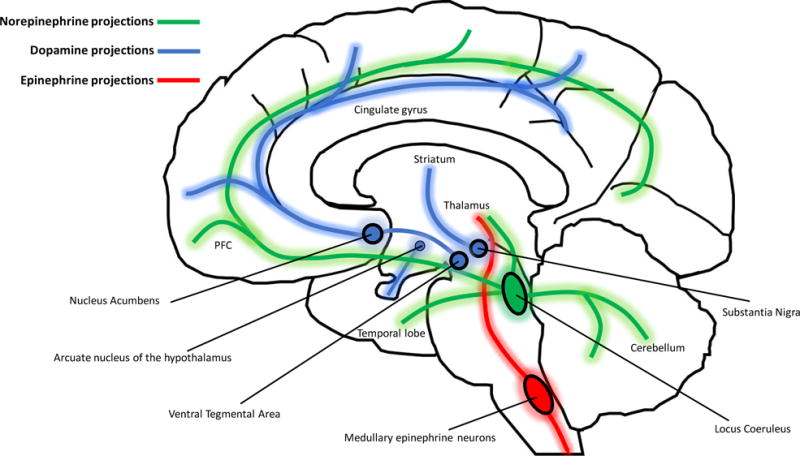
The success of anti-retroviral therapy has improved the quality of life and lifespan of HIV + individuals, transforming HIV infection into a chronic condition. These improvements have come with a cost, as chronic HIV infection and long-term therapy have resulted in the emergence of a number of new pathologies. This includes a variety of the neuropathological and neurocognitive effects collectively known as HIVassociated neurocognitive disorders (HAND) or NeuroHIV. These effects persist even in the absence of viral replication, suggesting that they are mediated the long-term changes in the CNS induced by HIV infection rather than by active replication. Among these effects are significant changes in catecholaminergic neurotransmission, especially in dopaminergic brain regions. In HIV-infected individuals not treated with ARV show prominent neuropathology is common in dopamine-rich brain regions and altered autonomic nervous system activity. Even infected individuals on therapy, there is significant dopaminergic neuropathology, and elevated stress and norepinephrine levels correlate with a decreased effectiveness of antiretroviral drugs. As catecholamines function as immunomodulatory factors, the resultant dysregulation of catecholaminergic tone could substantially alter the development of HIVassociated neuroinflammation and neuropathology. In this review, we discuss the role of catecholamines in the etiology of HIV neuropathogenesis. Providing a comprehensive examination of what is known about these molecules in the context of HIV-associated disease demonstrates the importance of further studies in this area, and may open the door to new therapeutic strategies that specifically ameliorate the effects of catecholaminergic dysregulation on NeuroHIV.
抗逆转录病毒疗法的成功提高了 HIV+个体的生活质量和寿命,将 HIV 感染转变为慢性疾病。这些改善带来了一定的代价,因为慢性 HIV 感染和长期治疗导致了许多新的病理出现。其中包括多种神经病理学和神经认知效应,统称为 HIV 相关神经认知障碍 (HAND) 或 NeuroHIV。即使没有病毒复制,这些效应仍然存在,这表明它们是由 HIV 感染引起的中枢神经系统的长期变化而不是由活性复制介导的。这些效应包括儿茶酚胺能神经递质传递的显著变化,特别是在多巴胺能脑区。在未经抗逆转录病毒治疗的 HIV 感染者中,未治疗的 HIV 感染者中常见多巴胺丰富的脑区出现明显的神经病理学改变和自主神经系统活动改变。即使在接受治疗的感染者中,也存在显著的多巴胺能神经病理学,应激和去甲肾上腺素水平升高与抗逆转录病毒药物疗效降低相关。由于儿茶酚胺作为免疫调节因子发挥作用,儿茶酚胺能张力的失调可能会极大地改变 HIV 相关神经炎症和神经病理学的发展。在这篇综述中,我们讨论了儿茶酚胺在 HIV 神经发病机制中的作用。全面研究这些分子在 HIV 相关疾病中的作用,证明了在这一领域进一步研究的重要性,并可能为专门改善儿茶酚胺能失调对 NeuroHIV 的影响的新治疗策略打开大门。