Institute for Lung Health, NIHR Leicester Biomedical Research Centre, Department of Infection, Immunity & Inflammation, University of Leicester and University Hospitals of Leicester NHS Trust, Leicester, United Kingdom.
Department of Respiratory and Critical Care Medicine, Tan Tock Seng Hospital, Singapore.
J Allergy Clin Immunol. 2018 Jun;141(6):2027-2036.e12. doi: 10.1016/j.jaci.2018.04.013. Epub 2018 Apr 28.
Exacerbations of asthma and chronic obstructive pulmonary disease (COPD) are heterogeneous.
We sought to investigate the sputum cellular, mediator, and microbiome profiles of both asthma and COPD exacerbations.
Patients with severe asthma or moderate-to-severe COPD were recruited prospectively to a single center. Sputum mediators were available in 32 asthmatic patients and 73 patients with COPD assessed at exacerbation. Biologic clusters were determined by using factor and cluster analyses on a panel of sputum mediators. Patterns of clinical parameters, sputum mediators, and microbiome communities were assessed across the identified clusters.
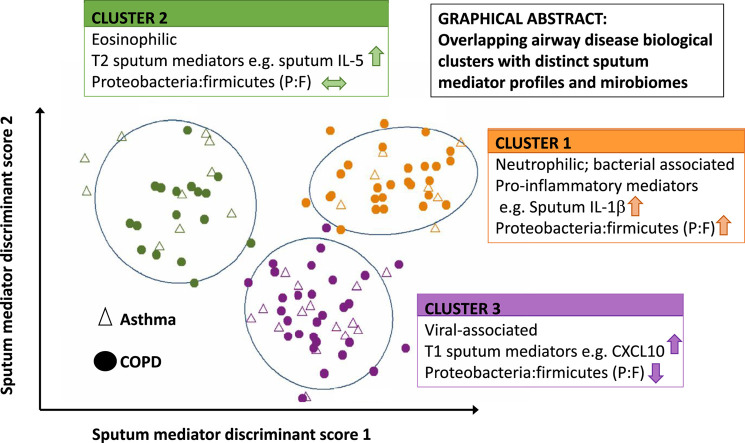
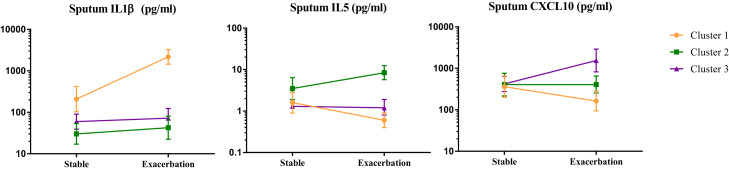
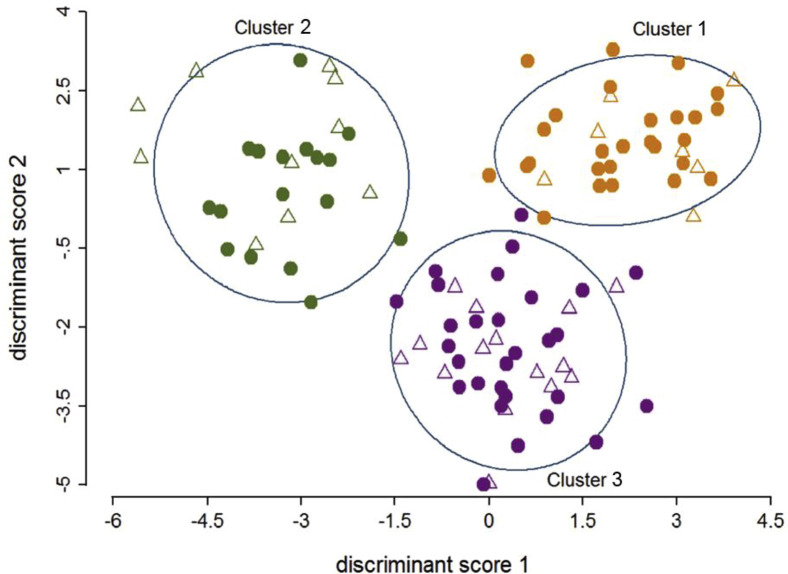
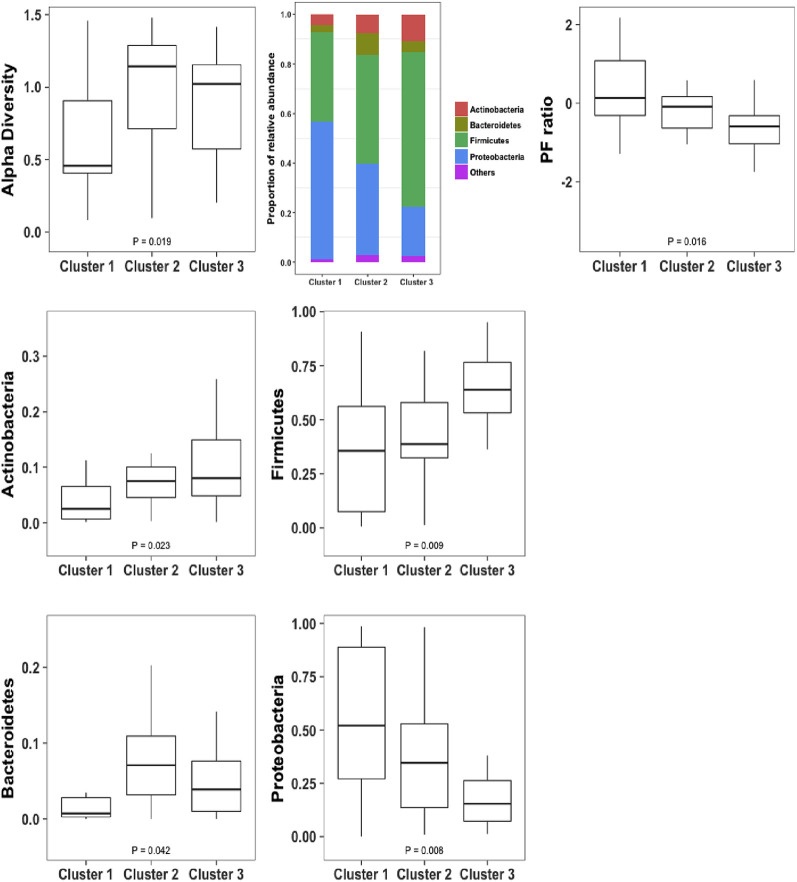
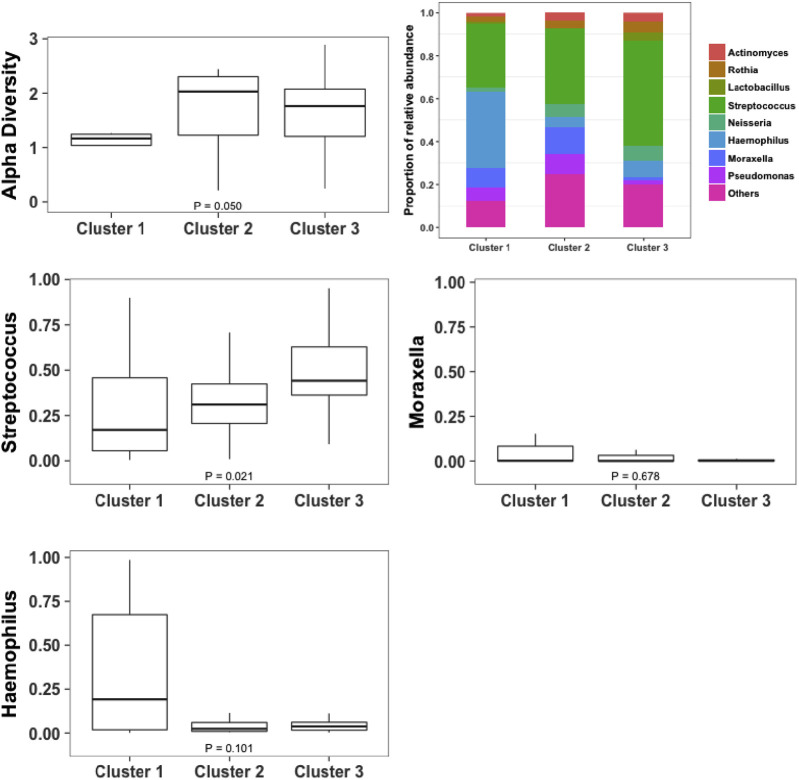
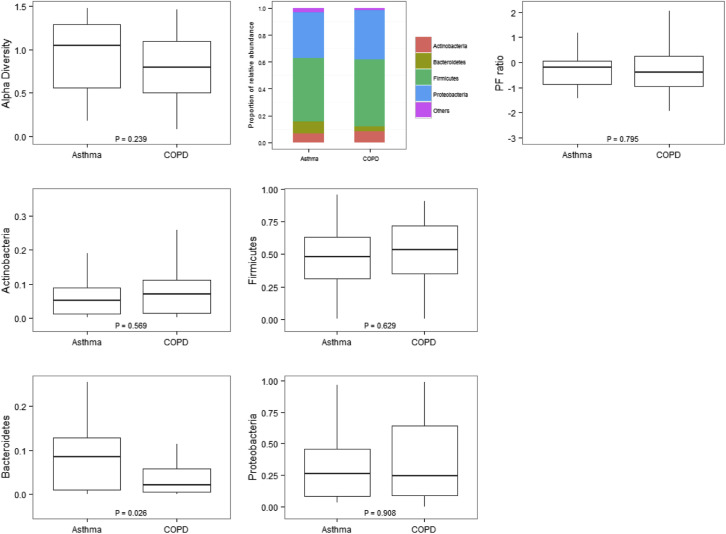
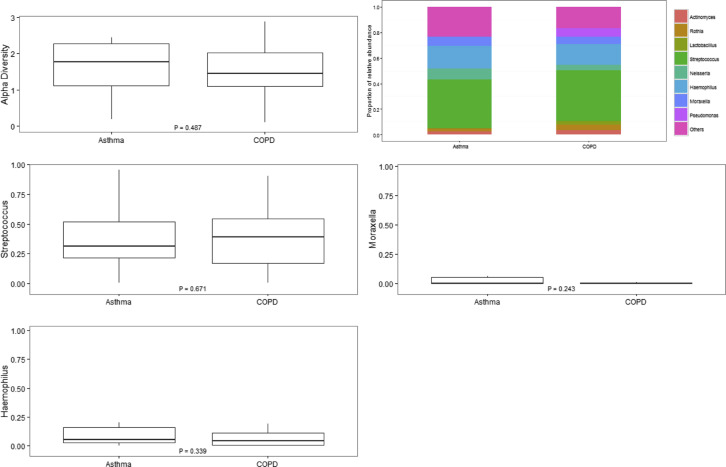
The asthmatic patients and patients with COPD had different clinical characteristics and inflammatory profiles but similar microbial ecology. Three exacerbation biologic clusters were identified. Cluster 1 was COPD predominant, with 27 patients with COPD and 7 asthmatic patients exhibiting increased blood and sputum neutrophil counts, proinflammatory mediators (IL-1β, IL-6, IL-6 receptor, TNF-α, TNF receptors 1 and 2, and vascular endothelial growth factor), and proportions of the bacterial phylum Proteobacteria. Cluster 2 had 10 asthmatic patients and 17 patients with COPD with increased blood and sputum eosinophil counts, type 2 mediators (IL-5, IL-13, CCL13, CCL17, and CCL26), and proportions of the bacterial phylum Bacteroidetes. Cluster 3 had 15 asthmatic patients and 29 patients with COPD with increased type 1 mediators (CXCL10, CXCL11, and IFN-γ) and proportions of the phyla Actinobacteria and Firmicutes.
A biologic clustering approach revealed 3 subgroups of asthma and COPD exacerbations, each with different percentages of patients with overlapping asthma and COPD. The sputum mediator and microbiome profiles were distinct between clusters.
哮喘和慢性阻塞性肺疾病(COPD)的加重是异质的。
我们旨在研究哮喘和 COPD 加重的痰液细胞、介质和微生物组谱。
前瞻性招募了一家中心的严重哮喘或中重度 COPD 患者。在加重期评估了 32 例哮喘患者和 73 例 COPD 患者的痰液介质。通过因子和聚类分析对痰液介质进行分析,确定生物聚类。评估了所确定的聚类中临床参数、痰液介质和微生物组群落的模式。
哮喘患者和 COPD 患者具有不同的临床特征和炎症特征,但微生物生态相似。确定了 3 个加重生物学聚类。聚类 1 以 COPD 为主,其中 27 例 COPD 患者和 7 例哮喘患者表现为血液和痰液中性粒细胞计数、促炎介质(IL-1β、IL-6、IL-6 受体、TNF-α、TNF 受体 1 和 2、血管内皮生长因子)和细菌门变形菌门的比例增加。聚类 2 有 10 例哮喘患者和 17 例 COPD 患者,血液和痰液嗜酸性粒细胞计数增加,2 型介质(IL-5、IL-13、CCL13、CCL17 和 CCL26)和细菌门拟杆菌门的比例增加。聚类 3 有 15 例哮喘患者和 29 例 COPD 患者,1 型介质(CXCL10、CXCL11 和 IFN-γ)和放线菌门和厚壁菌门的比例增加。
生物聚类方法揭示了哮喘和 COPD 加重的 3 个亚组,每个亚组都有不同比例的哮喘和 COPD 重叠患者。聚类之间的痰液介质和微生物组谱明显不同。