Mascini Marcello, Gaggiotti Sara, Della Pelle Flavio, Di Natale Corrado, Qakala Sinazo, Iwuoha Emmanuel, Pittia Paola, Compagnone Dario
Faculty of Bioscience and Technology for Food, Agriculture and Environment, University of Teramo, Teramo, Italy.
Department of Electronic Engineering, University of Roma Tor Vergata, Rome, Italy.
Front Chem. 2018 Apr 16;6:105. doi: 10.3389/fchem.2018.00105. eCollection 2018.
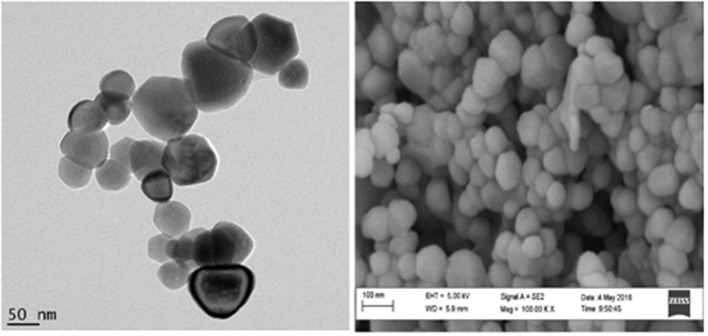
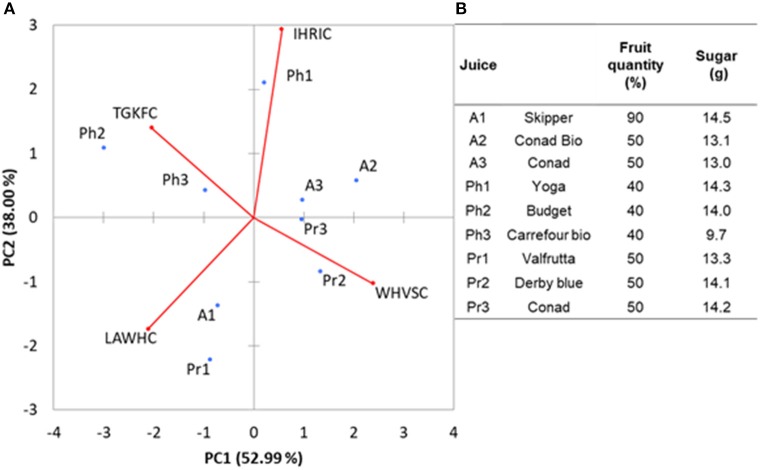
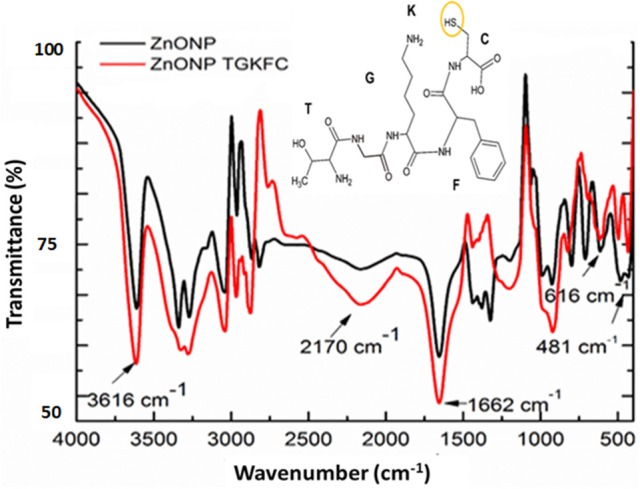
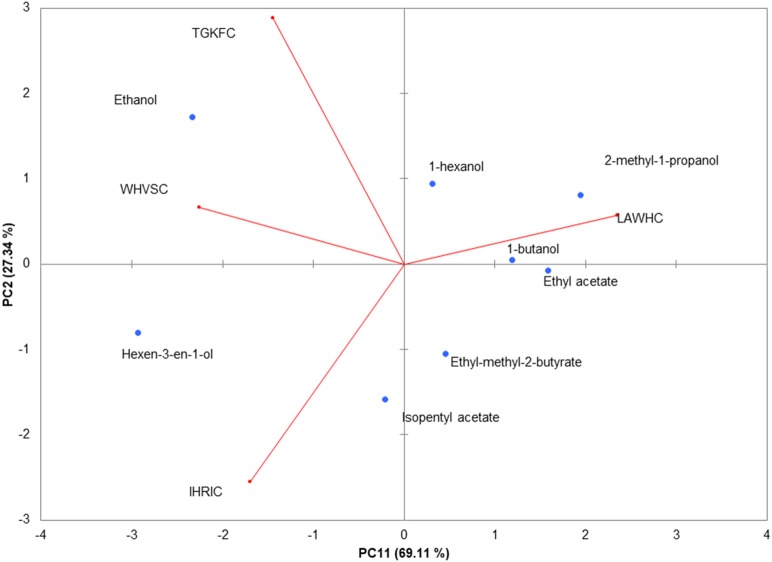
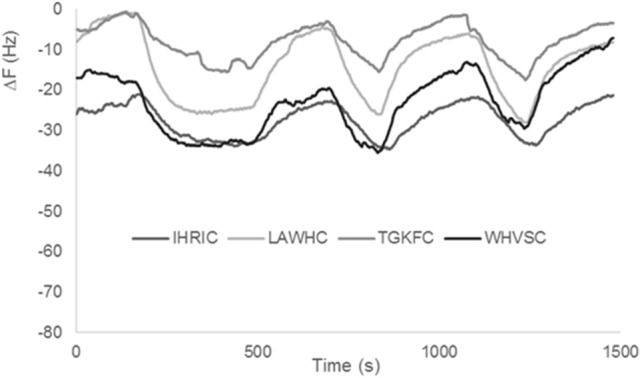
In this work a peptide based gas sensor array based of ZnO nanoparticles (ZnONPs) has been realized. Four different pentapeptides molecularly modeled for alcohols and esters having cysteine as a common spacer have been immobilized onto ZnONPs. ZnONPs have been morphologically and spectroscopically characterized. Modified nanoparticles have been then deposited onto quartz crystal microbalances (QCMs) and used as gas sensors with nitrogen as carrier gas. Analysis of the pure compounds modeled demonstrated a nice fitting of modeling with real data. The peptide based ZnONPs had very low sensitivity to water, compared to previously studied AuNPs peptide based gas sensors allowing the use of the array on samples with high water content. Real samples of fruit juices have been assayed; stability of the signal, good repeatability, and discrimination ability of the array was achieved.
在这项工作中,实现了一种基于氧化锌纳米颗粒(ZnONPs)的肽基气体传感器阵列。四种针对醇类和酯类进行分子建模的不同五肽,以半胱氨酸作为共同间隔基团,已被固定在ZnONPs上。对ZnONPs进行了形态学和光谱学表征。然后将改性纳米颗粒沉积在石英晶体微天平(QCMs)上,并用作以氮气为载气的气体传感器。对所建模的纯化合物的分析表明,建模与实际数据拟合良好。与先前研究的基于金纳米颗粒的肽基气体传感器相比,基于肽的ZnONPs对水的敏感性非常低,这使得该阵列能够用于含水量高的样品。已对果汁的实际样品进行了检测;实现了信号的稳定性、良好的重复性以及阵列的鉴别能力。