Ohara Yuuki, Chew Shan Hwu, Misawa Nobuaki, Wang Shenqi, Somiya Daiki, Nakamura Kae, Kajiyama Hiroaki, Kikkawa Fumitaka, Tsuyuki Yuta, Jiang Li, Yamashita Kyoko, Sekido Yoshitaka, Lipson Kenneth E, Toyokuni Shinya
Department of Pathology and Biological Responses, Nagoya University Graduate School of Medicine, Nagoya 466-8550, Japan.
Department of Obstetrics and Gynecology, Nagoya University Graduate School of Medicine, Nagoya 466-8550, Japan.
Oncotarget. 2018 Apr 6;9(26):18494-18509. doi: 10.18632/oncotarget.24892.
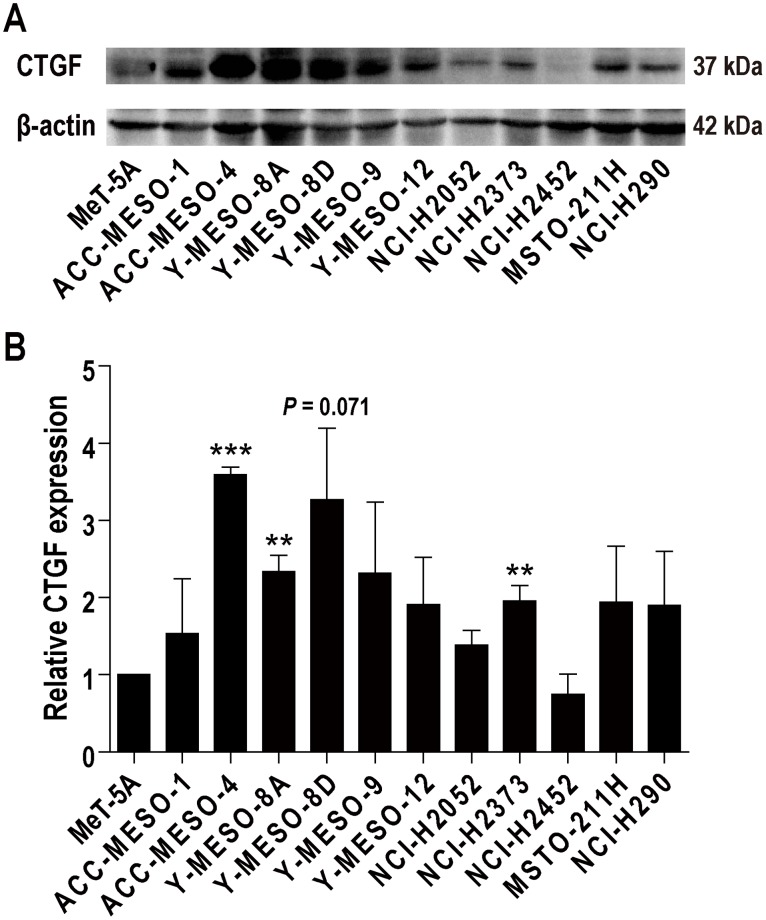
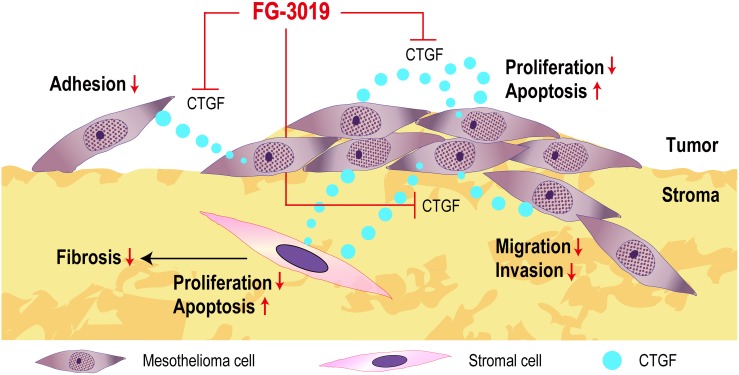
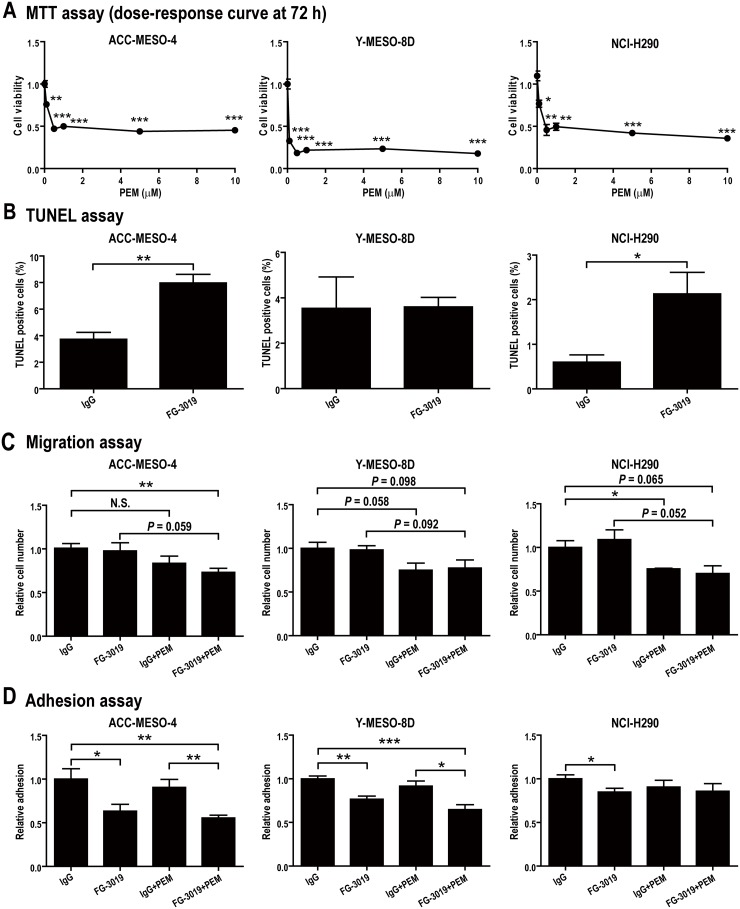
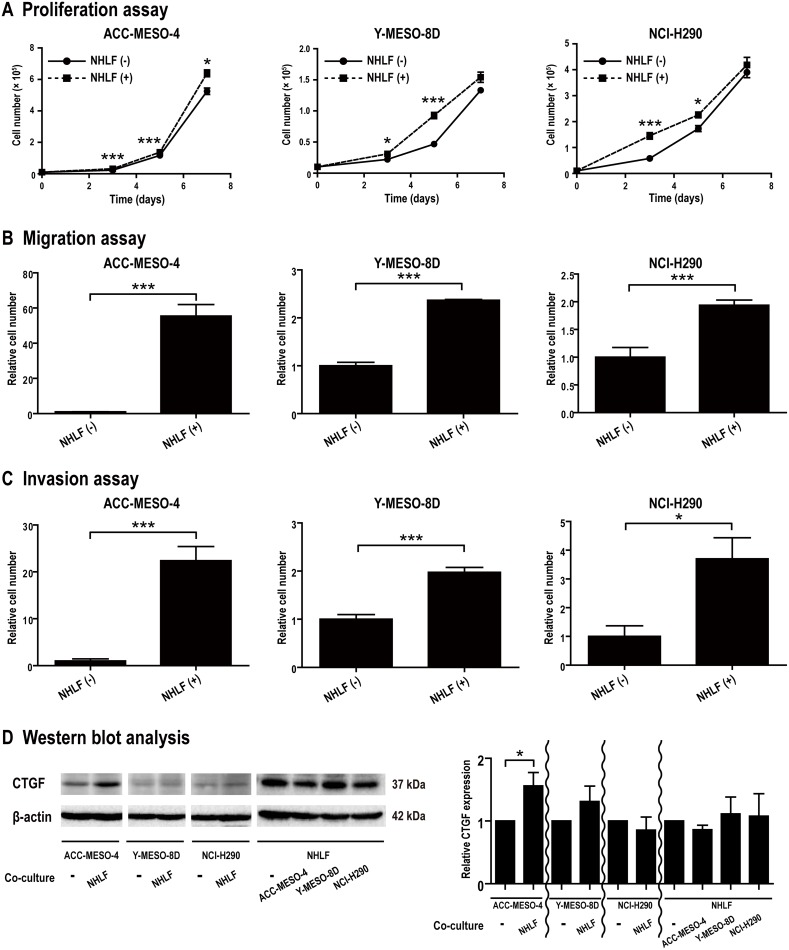
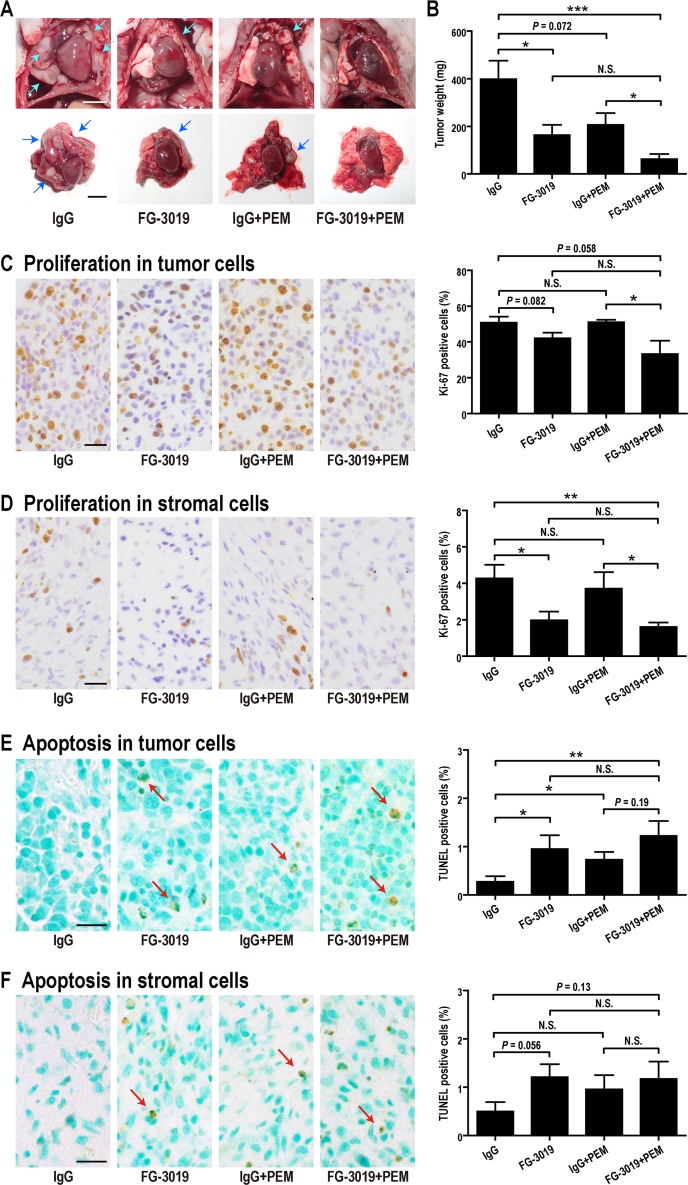
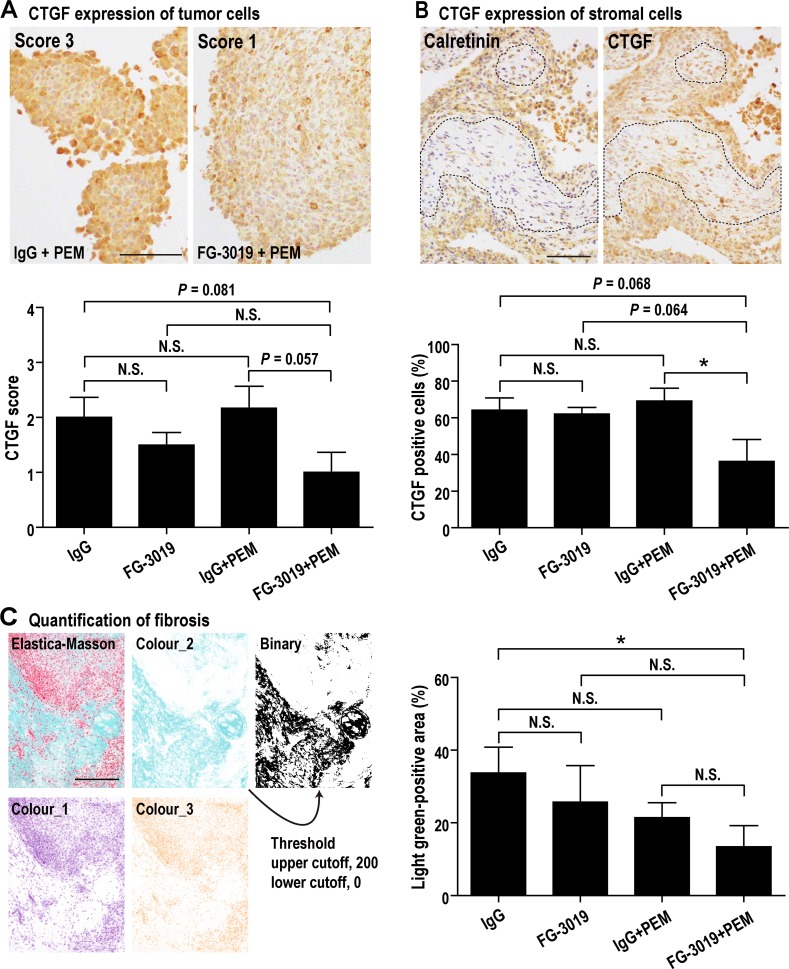
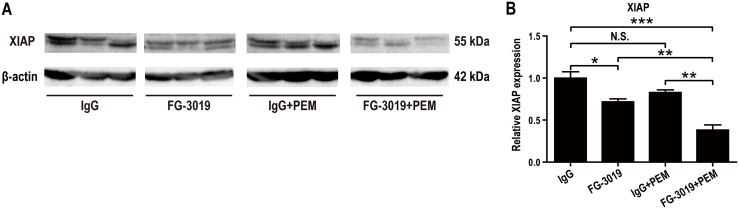
Malignant mesothelioma is an aggressive neoplasm with no particularly effective treatments. We previously reported that overexpression of connective tissue growth factor (CTGF/CCN2) promotes mesothelioma growth, thus suggesting it as a novel molecular target. A human monoclonal antibody that antagonizes CTGF (FG-3019, pamrevlumab) attenuates malignant properties of different kinds of human cancers and is currently under clinical trial for the treatment of pancreatic cancer. This study reports the effects of FG-3019 on human mesothelioma and . We analyzed the effects of FG-3019 on the proliferation, apoptosis, migration/invasion, adhesion and anchorage-independent growth in three human mesothelioma cell lines, among which ACC-MESO-4 was most efficiently blocked with FG-3019 and was chosen for experiments. We also evaluated the coexistent effects of fibroblasts on mesothelioma , which are also known to produce CTGF in various pathologic situations. Coexistent fibroblasts in transwell systems remarkably promoted the proliferation and migration/invasion of mesothelioma cells. In orthotopic nude mice model, FG-3019 significantly inhibited mesothelioma growth. Histological analyses revealed that FG-3019 not only inhibited the proliferation but also induced apoptosis in both mesothelioma cells and fibroblasts. Our data suggest that FG-3019 antibody therapy could be a novel additional choice for the treatment of mesothelioma.
恶性间皮瘤是一种侵袭性肿瘤,没有特别有效的治疗方法。我们之前报道过,结缔组织生长因子(CTGF/CCN2)的过表达促进间皮瘤生长,因此提示其可作为一个新的分子靶点。一种拮抗CTGF的人源单克隆抗体(FG-3019,帕姆单抗)可减弱不同类型人类癌症的恶性特性,目前正处于治疗胰腺癌的临床试验阶段。本研究报告了FG-3019对人恶性间皮瘤的影响。我们分析了FG-3019对三种人恶性间皮瘤细胞系增殖、凋亡、迁移/侵袭、黏附和非锚定依赖性生长的影响,其中ACC-MESO-4对FG-3019的阻断最为有效,并被选用于后续实验。我们还评估了成纤维细胞对间皮瘤的协同作用,已知在各种病理情况下成纤维细胞也会产生CTGF。Transwell系统中共存的成纤维细胞显著促进了间皮瘤细胞的增殖和迁移/侵袭。在原位裸鼠模型中,FG-3019显著抑制了间皮瘤生长。组织学分析显示,FG-3019不仅抑制了间皮瘤细胞和成纤维细胞的增殖,还诱导了它们的凋亡。我们的数据表明,FG-3019抗体治疗可能是治疗间皮瘤的一种新的额外选择。