INRA, UR 406 Abeilles et Environnement, 84914, Avignon, France.
INRA, UMR 1313 GABI Génétique Animale et Biologie Intégrative, 78350, Jouy-en-Josas, France.
BMC Genomics. 2018 May 4;19(1):328. doi: 10.1186/s12864-018-4668-z.
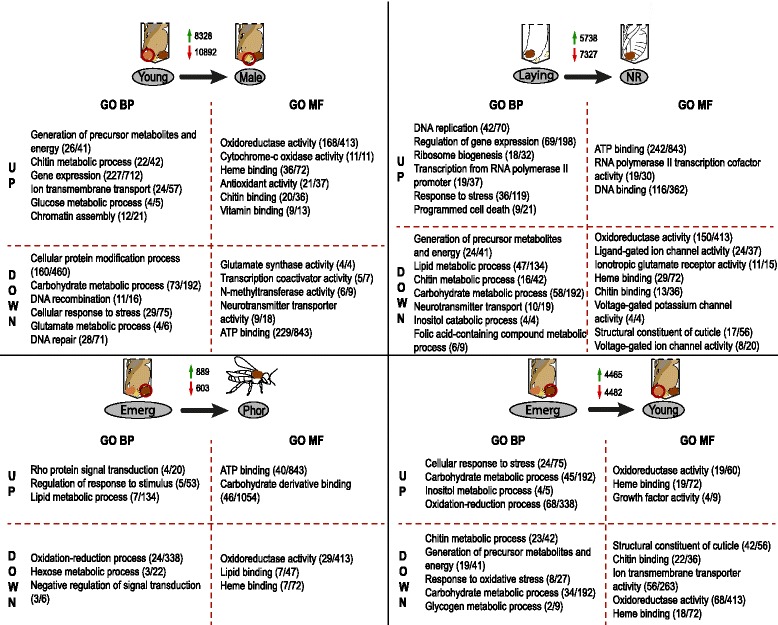
The parasite Varroa destructor represents a significant threat to honeybee colonies. Indeed, development of Varroa infestation within colonies, if left untreated, often leads to the death of the colony. Although its impact on bees has been extensively studied, less is known about its biology and the functional processes governing its adult life cycle and adaptation to its host. We therefore developed a full life cycle transcriptomic catalogue in adult Varroa females and included pairwise comparisons with males, artificially-reared and non-reproducing females (10 life cycle stages and conditions in total).
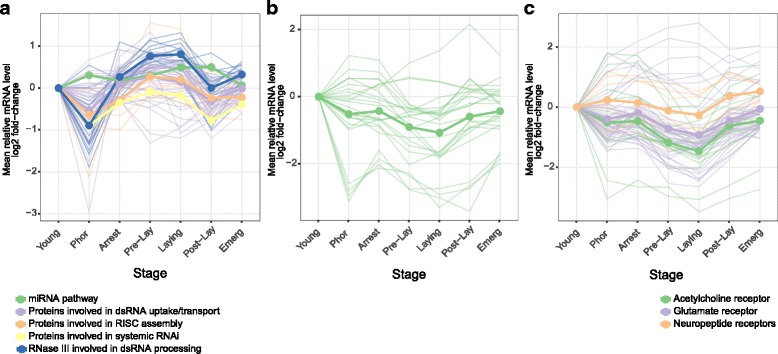
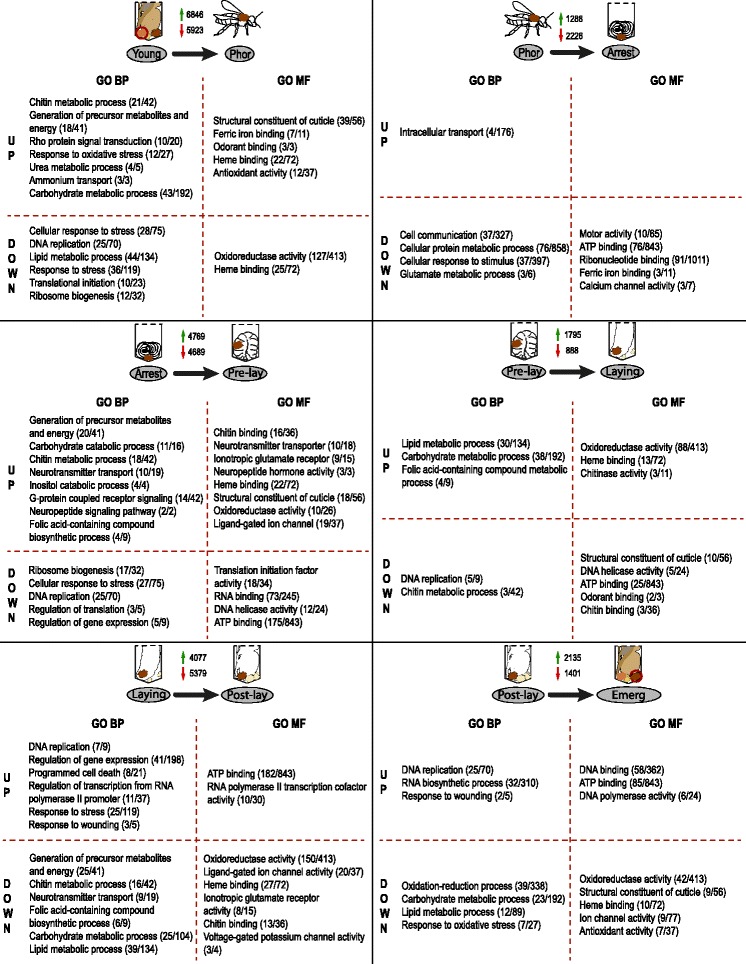
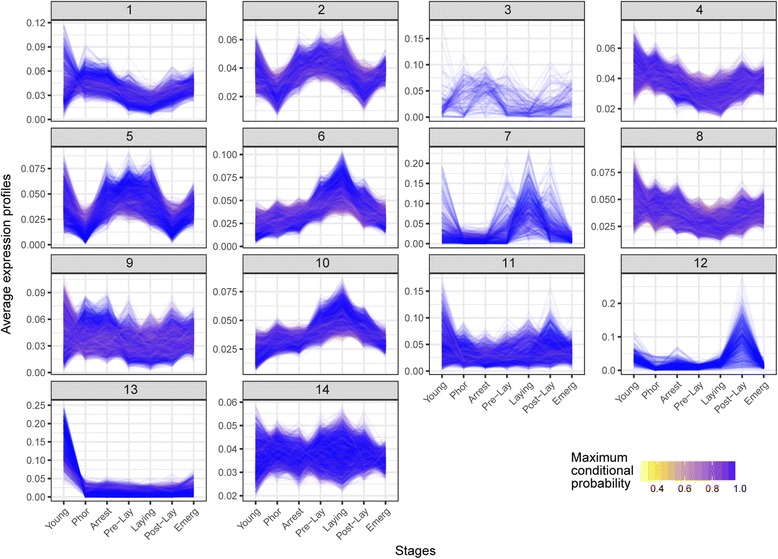
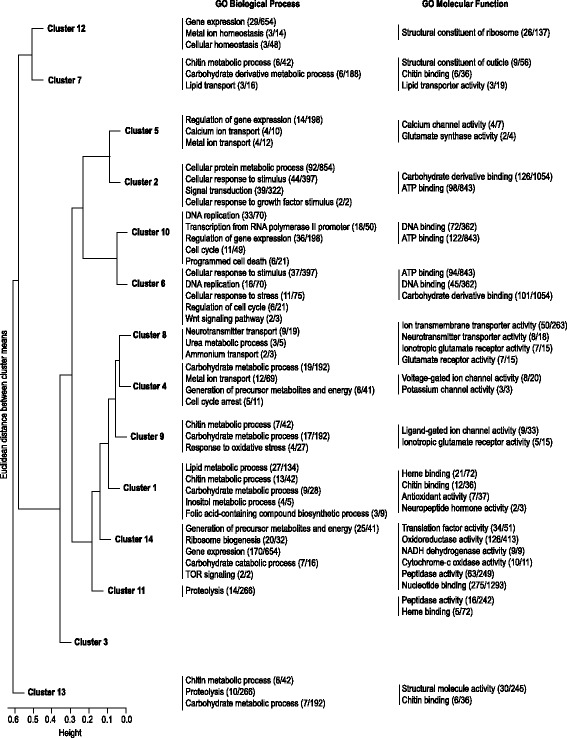
Extensive remodeling of the Varroa transcriptome was observed, with an upregulation of energetic and chitin metabolic processes during the initial and final phases of the life cycle (e.g. phoretic and post-oviposition stages), whereas during reproductive stages in brood cells genes showing functions related to transcriptional regulation were overexpressed. Several neurotransmitter and neuropeptide receptors involved in behavioural regulation, as well as active compounds of salivary glands, were also expressed at a higher level outside the reproductive stages. No difference was detected between artificially-reared phoretic females and their counterparts in colonies, or between females who failed to reproduce and females who successfully reproduced, indicating that phoretic individuals can be reared outside host colonies without impacting their physiology and that mechanisms underlying reproductive failure occur before oogenesis.
We discuss how these new findings reveal the remarkable adaptation of Varroa to its host biology and notably to the switch from living on adults to reproducing in sealed brood cells. By spanning the entire adult life cycle, our work captures the dynamic changes in the parasite gene expression and serves as a unique resource for deciphering Varroa biology and identifying new targets for mite control.
寄生虫瓦螨对蜜蜂种群构成了重大威胁。事实上,如果不加以处理,瓦螨在蜂群中的滋生会导致蜂群死亡。尽管人们对其对蜜蜂的影响进行了广泛研究,但对其生物学以及控制其成虫生命周期和适应其宿主的功能过程知之甚少。因此,我们在成年瓦螨雌虫中开发了一个完整的生命周期转录组目录,并包括与雄虫、人工饲养和非繁殖雌虫的成对比较(总共 10 个生命周期阶段和条件)。
观察到瓦螨转录组的广泛重塑,在生命周期的初始和最后阶段(例如游走和产卵后阶段),能量和几丁质代谢过程上调,而在生殖阶段的育雏细胞中,与转录调节相关的功能的基因表达上调。参与行为调节的几种神经递质和神经肽受体,以及唾液腺的活性化合物,在生殖阶段之外也表达水平更高。在人工饲养的游走雌虫与其在蜂群中的对应物之间,或在未能繁殖的雌虫和成功繁殖的雌虫之间,没有检测到差异,这表明游走个体可以在没有影响其生理机能的情况下在宿主群体之外饲养,并且生殖失败的机制发生在卵发生之前。
我们讨论了这些新发现如何揭示了瓦螨对其宿主生物学的惊人适应,特别是从寄生于成虫到在密封的育雏细胞中繁殖的转变。通过跨越整个成虫生命周期,我们的工作捕捉到了寄生虫基因表达的动态变化,并为破译瓦螨生物学和识别新的螨虫控制目标提供了独特的资源。