Cardiovascular Research Institute, Department of Medicine, Centre for Translational Medicine, Yong Loo Lin School of Medicine, National University of Singapore, Singapore, 117599, Singapore.
Cardiac Department, National University Health System, Singapore, 119228, Singapore.
Sci Rep. 2018 May 4;8(1):7055. doi: 10.1038/s41598-018-25489-3.
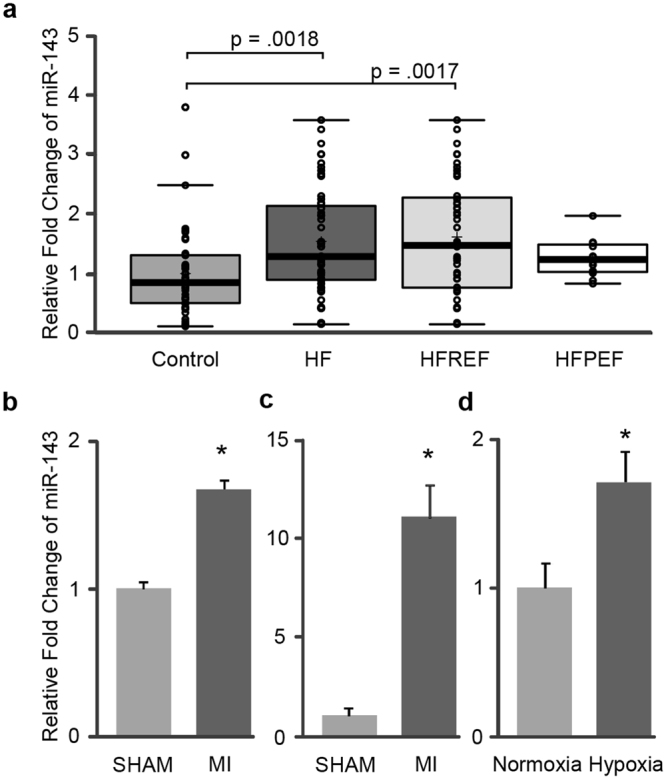
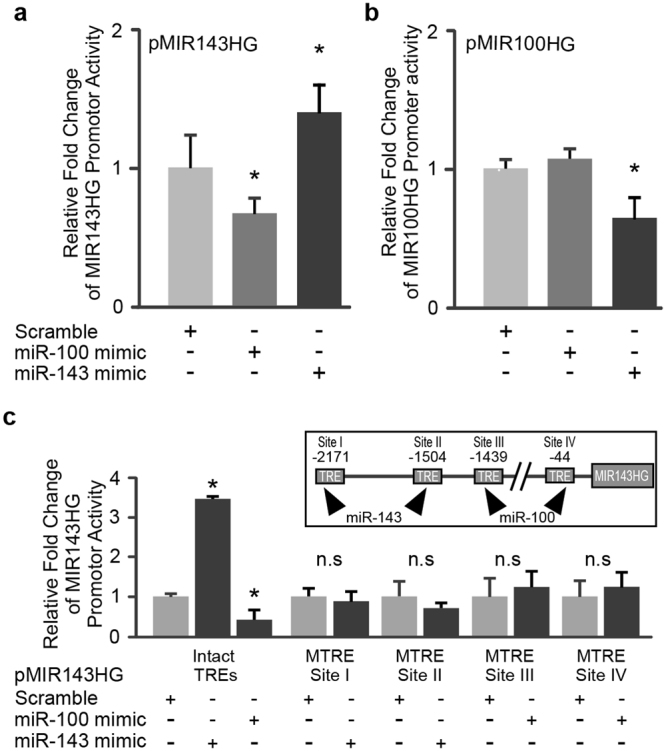
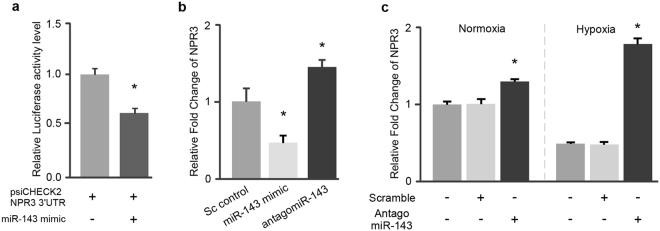
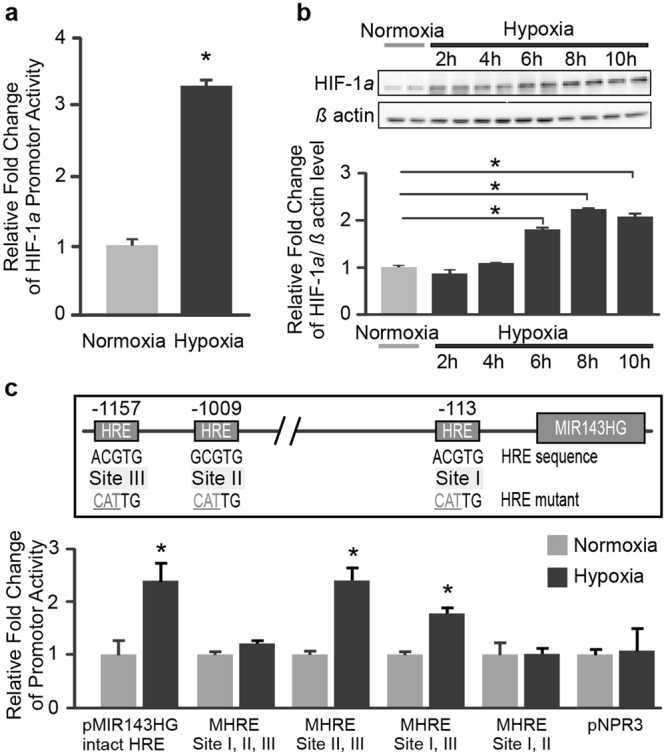
Natriuretic Peptide Receptor 3 (NPR3), the clearance receptor for extracellular bio-active natriuretic peptides (NPs), plays important roles in the homeostasis of body fluid volume and vascular tone. Using luciferase reporter and antagomir-based silencing assays, we demonstrated that the expression of NPR3 could be modulated by microRNA-143 (miR-143-3p), a microRNA species with up-regulated circulating concentrations in clinical heart failure. The regulatory effect of miR-143 on NPR3 expression was further evidenced by the reciprocal relationship between miR-143 and NPR3 levels observed in hypoxia-treated human cardiac cells and in left ventricular tissue from rats undergoing experimental myocardial infarction. Further analysis indicated elevation of miR-143 in response to hypoxic challenge reflects transcriptional activation of the miR-143 host gene (MIR143HG). This was corroborated by demonstration of the induction of host gene promoter activity upon hypoxic challenge. Moreover, miR-143 was shown to enhance its own expression by increasing MIR143HG promoter activity, as well as targeting the expressions of NPPA, NPPC, NR3C2, and CRHR2 in cardiac cells. Taken together, these findings suggest that the elevation of miR-143 upon hypoxic insult may be part of a microRNA-based feed forward loop that results in fine tuning the levels of NPs and neurohormonal receptors in cardiac cell lineages.
利钠肽受体 3(NPR3)是细胞外生物活性利钠肽(NPs)的清除受体,在体液容量和血管张力的动态平衡中发挥重要作用。通过荧光素酶报告基因和反义寡核苷酸(antagomir)抑制实验,我们证明了 miR-143(miR-143-3p)可以调节 NPR3 的表达,miR-143 是一种在临床心力衰竭中循环浓度升高的 microRNA 种类。miR-143 对 NPR3 表达的调节作用进一步通过在缺氧处理的人心肌细胞和经历实验性心肌梗死的大鼠左心室组织中观察到的 miR-143 和 NPR3 水平的相互关系得到证实。进一步分析表明,miR-143 对缺氧挑战的升高反映了 miR-143 宿主基因(MIR143HG)的转录激活。这一点通过缺氧挑战诱导宿主基因启动子活性得到证实。此外,miR-143 被证明通过增加 MIR143HG 启动子活性以及靶向心脏细胞中的 NPPA、NPPC、NR3C2 和 CRHR2 表达来增强自身表达。综上所述,这些发现表明,缺氧损伤时 miR-143 的升高可能是一种基于 microRNA 的正反馈回路的一部分,导致心脏细胞谱系中 NPs 和神经激素受体水平的精细调节。