Vancheva Taca, Stoyanova Mariya, Tasheva-Terzieva Elena, Bogatzevska Nevena, Moncheva Penka
Faculty of Biology, Sofia University 'St. Kliment Ohridski', Sofia, Bulgaria.
Institute of Soil Science, Agrotechnologies and Plant Protection 'Nikola Pushkarov', Sofia, Bulgaria.
Braz J Microbiol. 2018 Nov;49 Suppl 1(Suppl 1):246-259. doi: 10.1016/j.bjm.2017.08.011. Epub 2018 May 3.
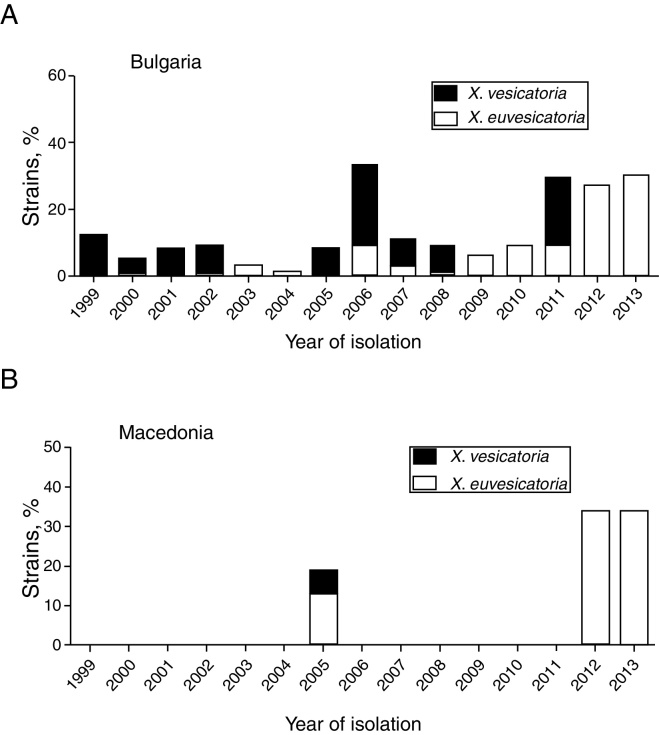
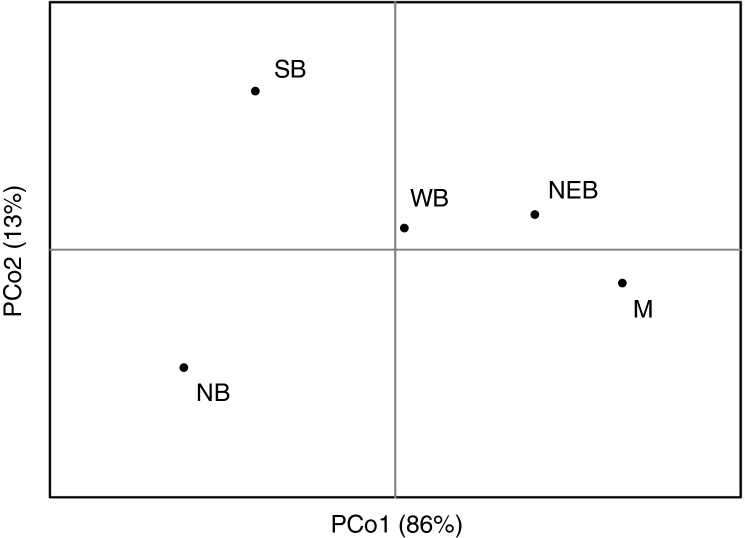
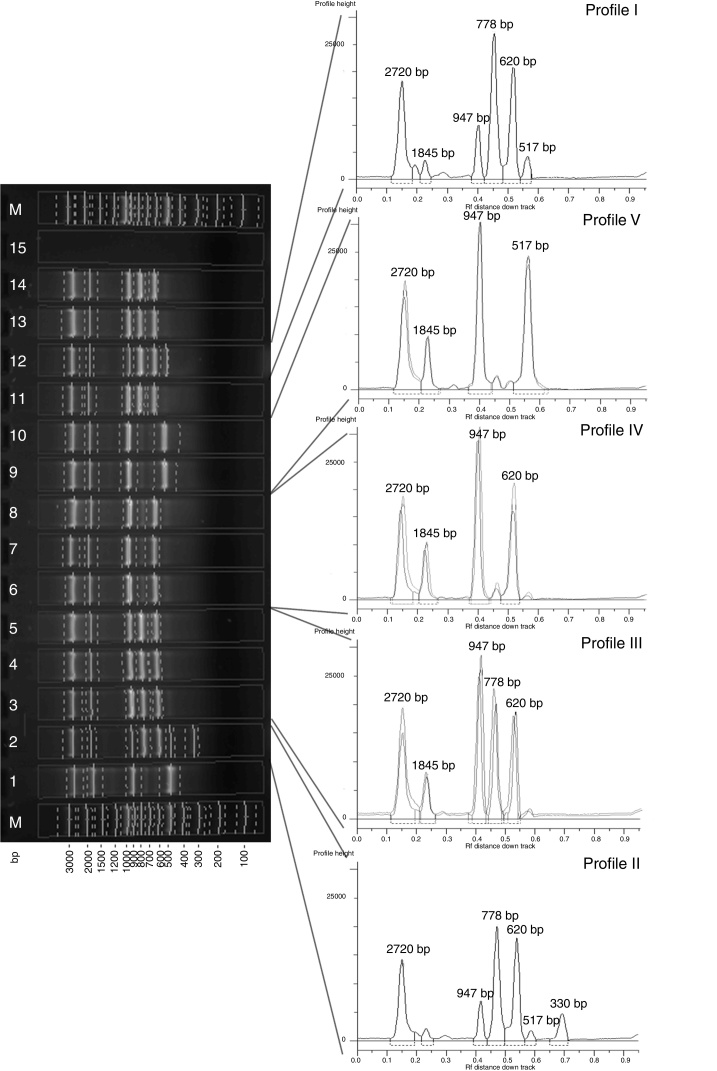
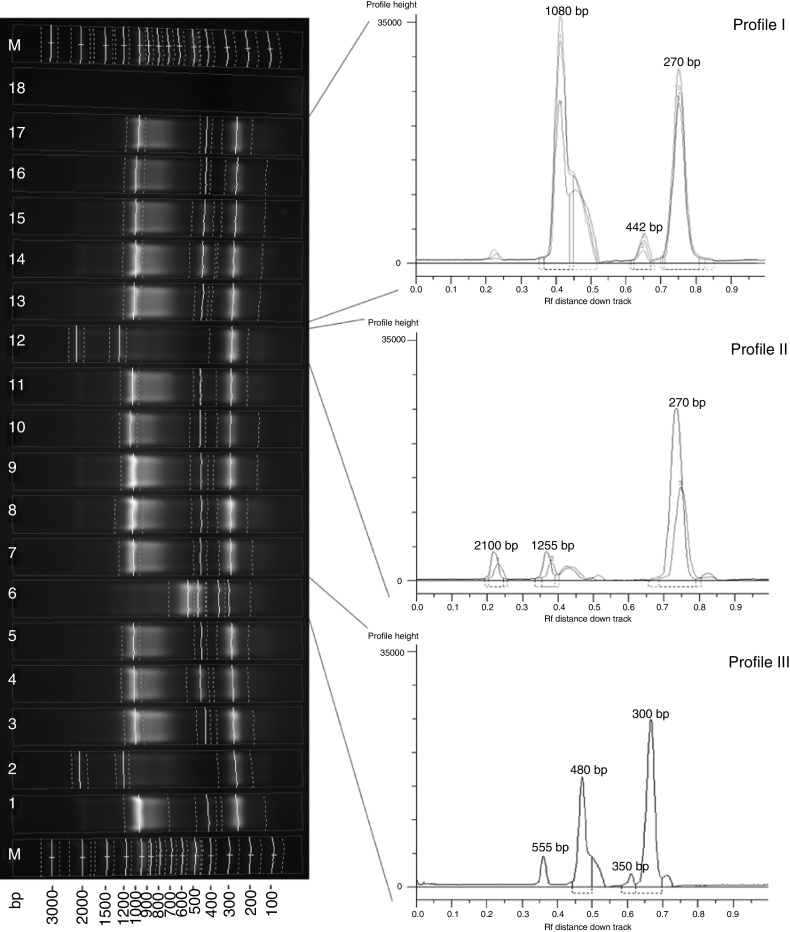
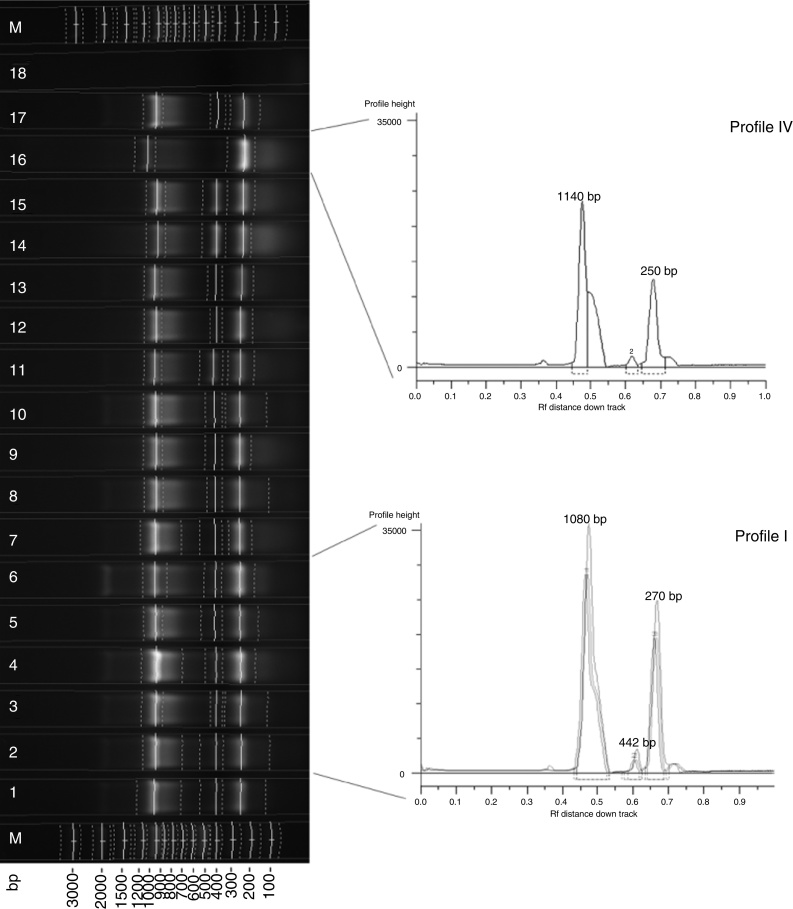
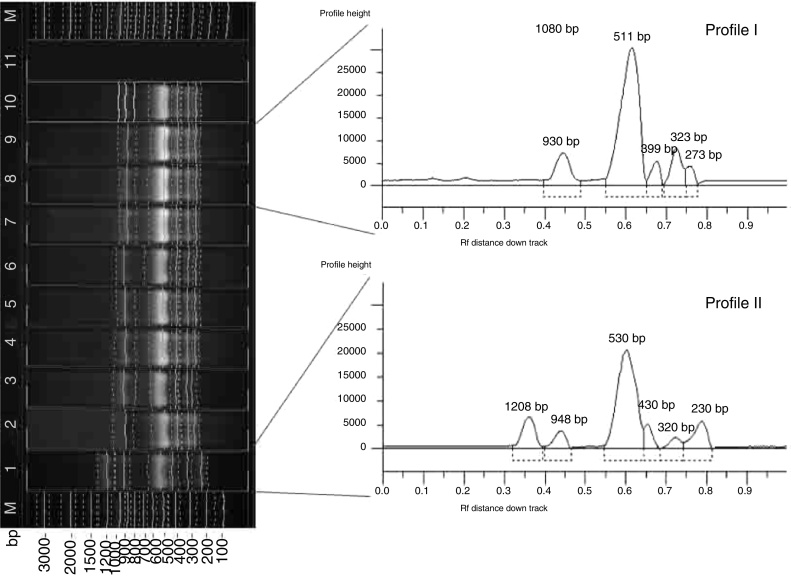
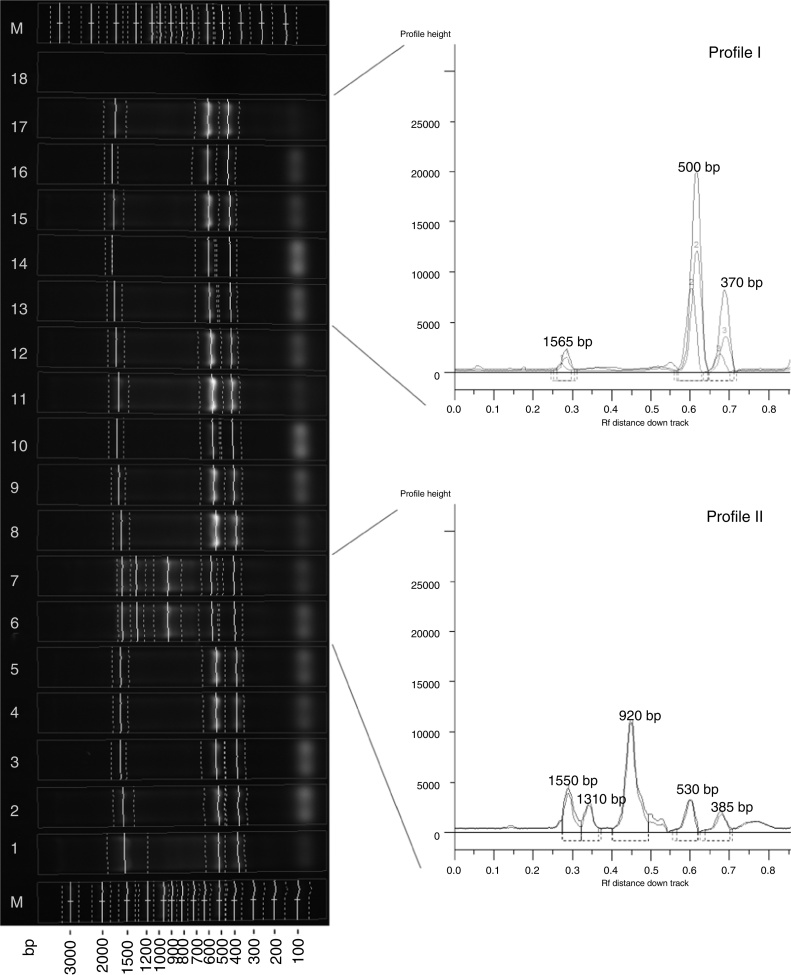
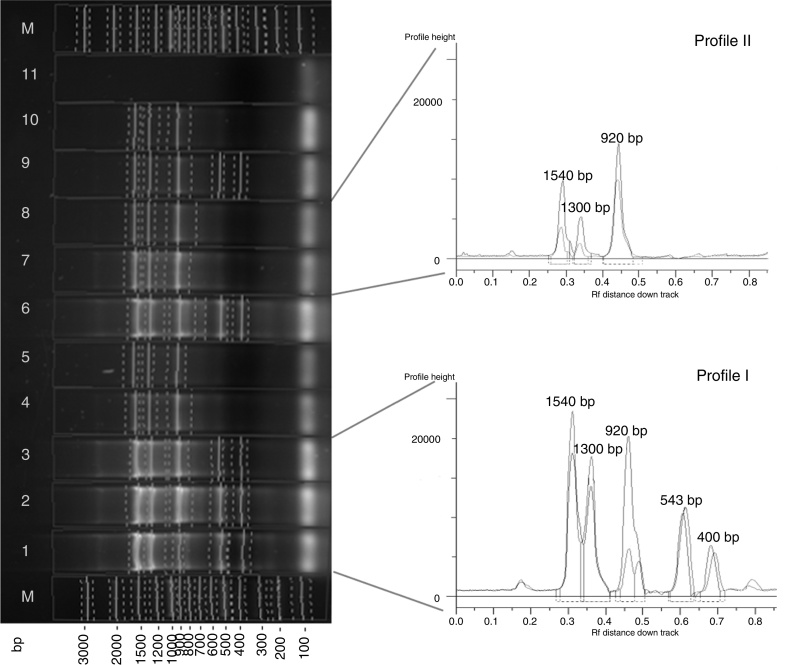
Bacterial spot is an important disease of pepper in Bulgaria and Macedonia. For characterization of Xanthomonas species associated with bacterial spot, 161 strains were collected from various field pepper-growing regions. Among them, 131 strains were identified as Xanthomonas euvesicatoria and 30 as Xanthomonas vesicatoria using species-specific primers and polymerase chain reaction followed by restriction fragment length polymorphism analysis. To assess the genetic diversity of the strains, two methods (Random Amplified Polymorphic DNA and Repetitive Element Palindromic-Polymerase Chain Reaction) were applied. Discriminatory index was calculated and analysis of molecular variance was carried out. Combined random amplified polymorphic DNA analysis of the X. euvesicatoria strains with primers CUGEA-4 and CUGEA-6 had greater discriminative power (0.60) than repetitive element palindromic-polymerase chain reaction with ERIC and BOX A1R primers, which makes this method applicable for strain diversity evaluation. Discrimination among the X. vesicatoria strains was achieved by the use of ERIC primers and only for the Bulgarian strains. The results demonstrated that X. euvesicatoria was more diverse than X. vesicatoria and heterogeneity was observed mainly in the Bulgarian populations. According to the analysis of molecular variance, genetic variations in X. euvesicatoria were observed among and within populations from different regions, while the differences between the two countries were minor. Following the principal coordinates analysis, a relation between the climatic conditions of the regions and a genetic distance of the populations may be suggested.
细菌性斑点病是保加利亚和马其顿辣椒的一种重要病害。为了对与细菌性斑点病相关的黄单胞菌属进行特征分析,从不同的田间辣椒种植区收集了161株菌株。其中,使用种特异性引物和聚合酶链反应,随后进行限制性片段长度多态性分析,将131株菌株鉴定为野油菜黄单胞菌,30株鉴定为疮痂病黄单胞菌。为了评估这些菌株的遗传多样性,应用了两种方法(随机扩增多态性DNA和重复元件回文 - 聚合酶链反应)。计算了鉴别指数并进行了分子方差分析。用引物CUGEA - 4和CUGEA - 6对野油菜黄单胞菌菌株进行的随机扩增多态性DNA联合分析比用ERIC和BOX A1R引物进行的重复元件回文 - 聚合酶链反应具有更高的鉴别力(0.60),这使得该方法适用于菌株多样性评估。仅对保加利亚的疮痂病黄单胞菌菌株,通过使用ERIC引物实现了菌株间的区分。结果表明,野油菜黄单胞菌比疮痂病黄单胞菌具有更高的多样性,并且异质性主要在保加利亚种群中观察到。根据分子方差分析,在不同地区的野油菜黄单胞菌种群间和种群内均观察到遗传变异,而两国之间的差异较小。经过主坐标分析,可以推测出各地区的气候条件与种群的遗传距离之间的关系。