Hori Shunta, Miyake Makito, Morizawa Yosuke, Nakai Yasushi, Onishi Kenta, Iida Kota, Gotoh Daisuke, Anai Satoshi, Torimoto Kazumasa, Aoki Katsuya, Yoneda Tatsuo, Tanaka Nobumichi, Yoshida Katsunori, Fujimoto Kiyohide
Department of Urology, Nara Medical University, Kashihara, Nara, Japan.
Ann Transplant. 2018 May 29;23:364-376. doi: 10.12659/AOT.908625.
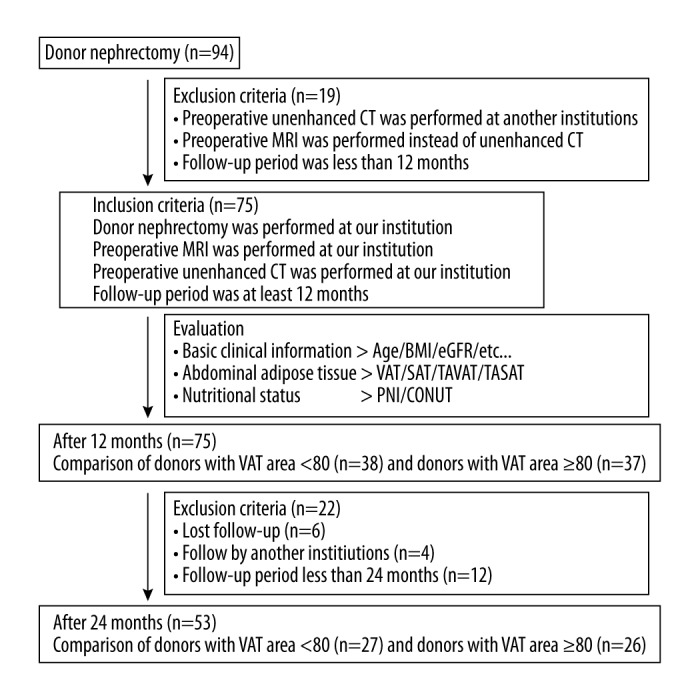
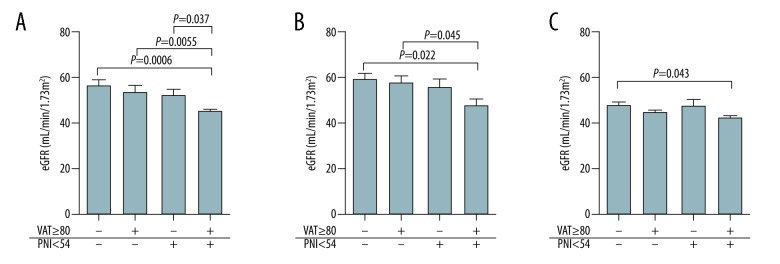
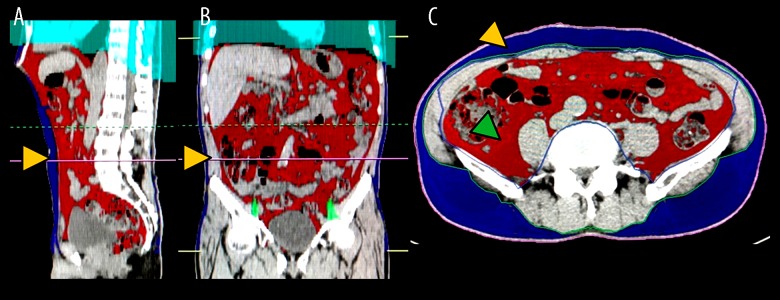
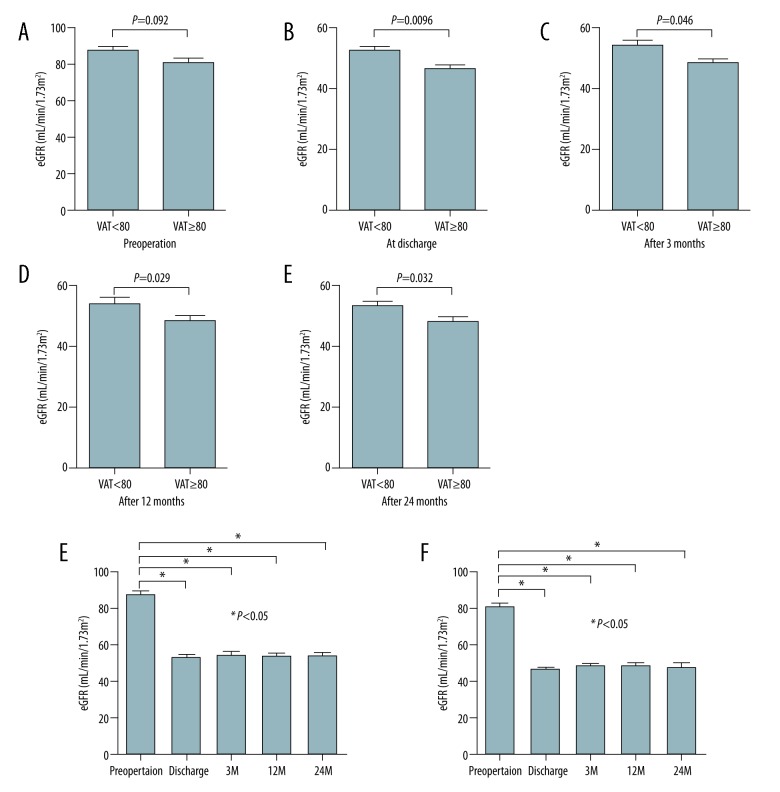
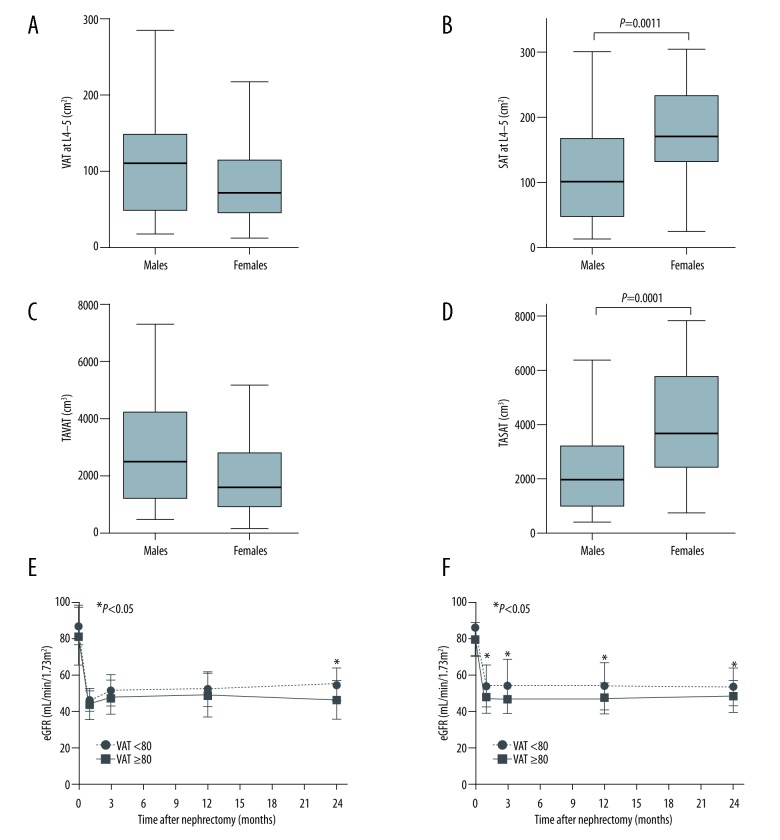
BACKGROUND Living kidney donors face the risk of renal dysfunction, resulting in end-stage renal disease, cardiovascular disease, or cerebrovascular disease, after donor nephrectomy. Reducing this risk is important to increasing survival of living donors. In this study, we investigated the effect of preoperative distribution of abdominal adipose tissue and nutritional status on postoperative renal function in living donors. MATERIAL AND METHODS Seventy-five living donors were enrolled in this retrospective study. Preoperative unenhanced computed tomography images were used to measure abdominal adipose tissue parameters. Prognostic nutritional index (PNI) was used to assess preoperative nutritional status. Donors were divided into 2 groups according to abdominal visceral adipose tissue (VAT) area at the level of the fourth and fifth lumbar vertebrae (<80 or ≥80 cm²). Postoperative renal function was compared in the 2 groups, and prognostic factors for development of chronic kidney disease (CKD) G3b were identified using multivariate analysis. RESULTS Donors with a VAT area ≥80 significantly more often had hypertension preoperatively. Although there was no significant difference in preoperative estimated glomerular filtration rate (eGFR) between the 2 groups, postoperative renal function was significantly decreased in donors with a VAT area ≥80 compared to those with a VAT area <80. In multivariate analysis, VAT area ≥80 and PNI <54 were independent factors predicting the development of CKD G3b after 12 months. CONCLUSIONS Our findings suggest that preoperative VAT and PNI affect postoperative renal function. Further research is required to establish appropriate exercise protocols and nutritional interventions during follow-up to improve outcomes in living donors.
背景 活体肾供体在肾切除术后面临肾功能障碍的风险,可能导致终末期肾病、心血管疾病或脑血管疾病。降低这种风险对于提高活体供体的生存率至关重要。在本研究中,我们调查了术前腹部脂肪组织分布和营养状况对活体供体术后肾功能的影响。
材料与方法 本回顾性研究纳入了75名活体供体。术前未增强的计算机断层扫描图像用于测量腹部脂肪组织参数。采用预后营养指数(PNI)评估术前营养状况。根据第四和第五腰椎水平的腹部内脏脂肪组织(VAT)面积(<80或≥80 cm²)将供体分为两组。比较两组的术后肾功能,并使用多因素分析确定慢性肾脏病(CKD)G3b发生的预后因素。
结果 VAT面积≥80的供体术前高血压的发生率明显更高。虽然两组术前估计肾小球滤过率(eGFR)无显著差异,但与VAT面积<80的供体相比,VAT面积≥80的供体术后肾功能明显下降。在多因素分析中,VAT面积≥80和PNI<54是预测12个月后CKD G3b发生的独立因素。
结论 我们的研究结果表明,术前VAT和PNI会影响术后肾功能。需要进一步研究以制定适当的运动方案和随访期间的营养干预措施,以改善活体供体的预后。