Department of Reconstructive and Plastic Surgery, The General Hospital of Shenyang Military Region, Shenyang, Liaoning 110016, P.R. China.
Mol Med Rep. 2018 Aug;18(2):1628-1636. doi: 10.3892/mmr.2018.9099. Epub 2018 May 29.
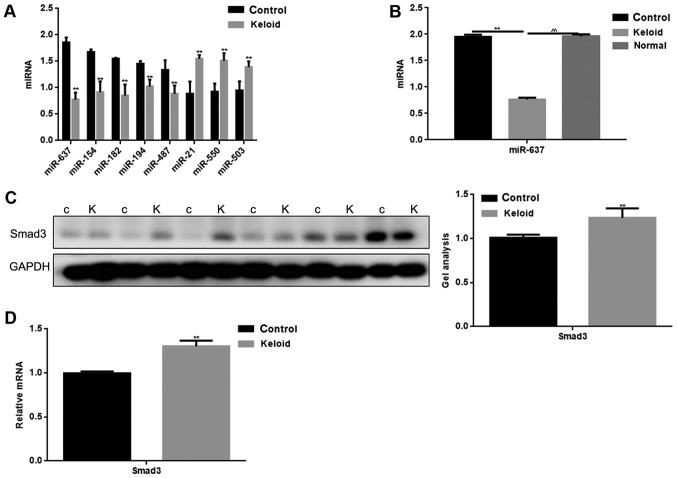
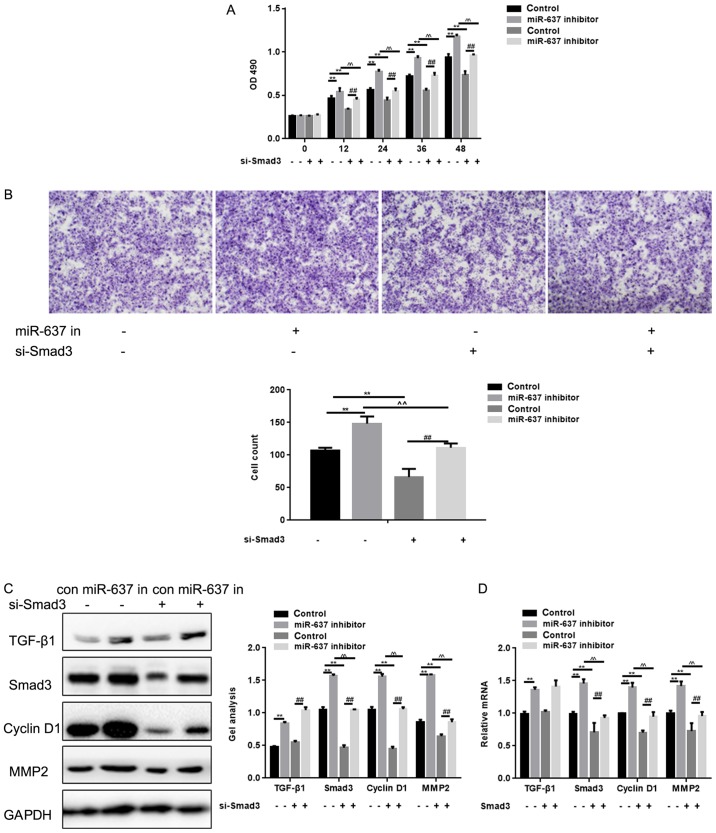
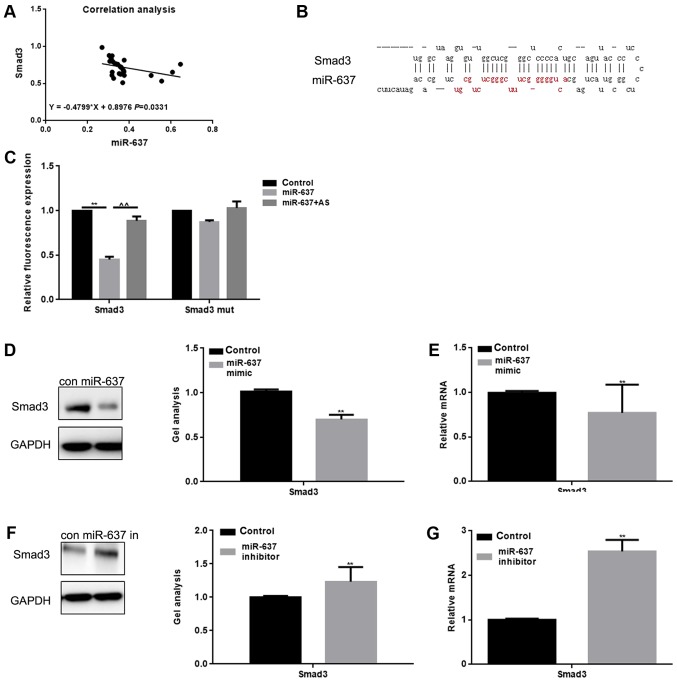
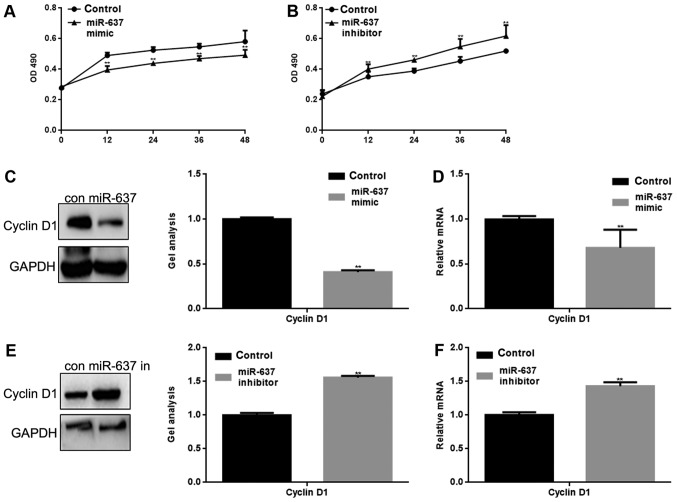
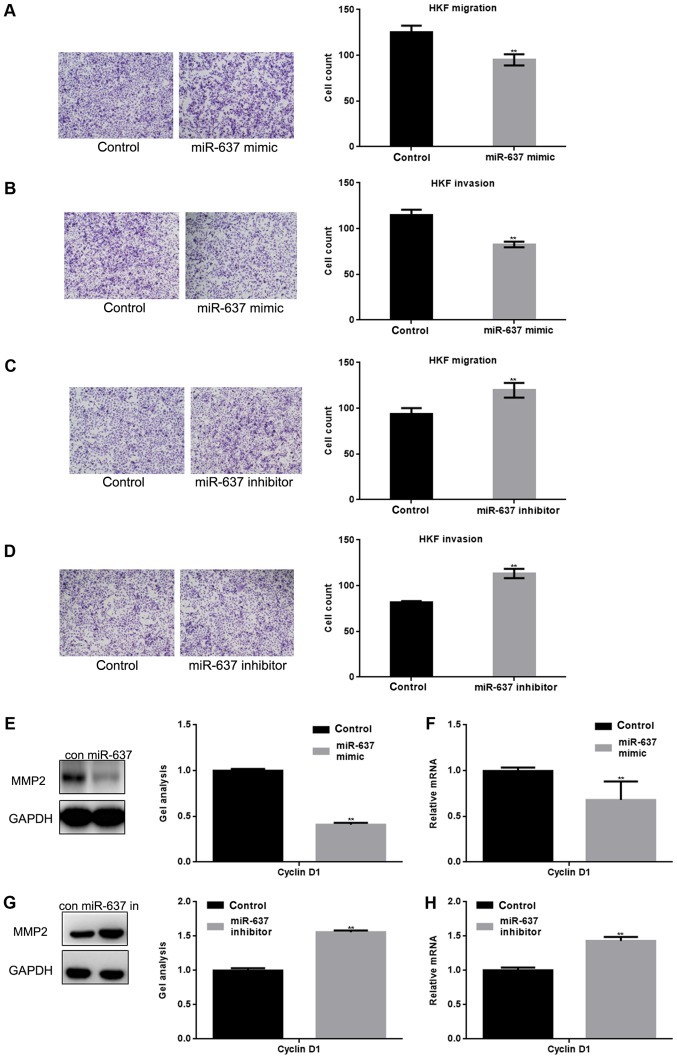
Keloids are a type of abnormal scar tissue. MicroRNAs (miRNAs) exhibit a pivotal role in the regulation of cell proliferation and metastasis of keloids. miRNA microarray revealed that miR‑637 was one of the most frequently altered miRNAs in keloids. Furthermore, up-regulation of miR‑637 inhibited cell proliferation and metastasis by targeting mothers against decapentaplegic homolog (Smad)3, one of the important proteins that affects the formation of keloids. Further studies demonstrated that miR‑637 regulated the proliferation and metastasis of human keloid fibroblast (HKF) cells by mediating the Smad3 signaling pathway. Overall, the present findings suggest that miR‑637 may be a promising therapeutic target in keloids.
瘢痕疙瘩是一种异常的疤痕组织。微小 RNA(miRNA)在瘢痕疙瘩细胞增殖和转移的调控中发挥着关键作用。miRNA 芯片显示 miR-637 是瘢痕疙瘩中最常改变的 miRNA 之一。此外,上调 miR-637 通过靶向影响瘢痕疙瘩形成的重要蛋白之一母系抗 decapentaplegic 同源物(Smad)3,抑制细胞增殖和转移。进一步的研究表明,miR-637 通过调节 Smad3 信号通路来调节人瘢痕疙瘩成纤维细胞(HKF)细胞的增殖和转移。总的来说,这些发现表明 miR-637 可能是瘢痕疙瘩有前途的治疗靶点。