Zhang Jian, Zhang Qiqiang, Chen Xiaofei, Liu Yan, Xue Jiyang, Dahan Arik, Zhang Hai, Chai Yifeng
Department of Pharmacy, Xinhua Hospital, Shanghai Jiao Tong University School of Medicine, Shanghai 200092, China.
School of Pharmacy, Second Military Medical University, Shanghai 200433, China.
Evid Based Complement Alternat Med. 2018 Apr 26;2018:6503126. doi: 10.1155/2018/6503126. eCollection 2018.
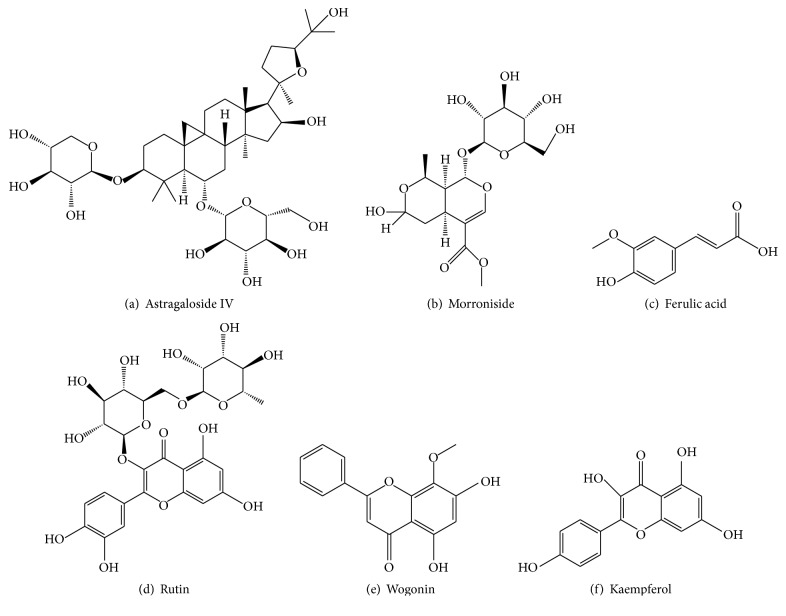
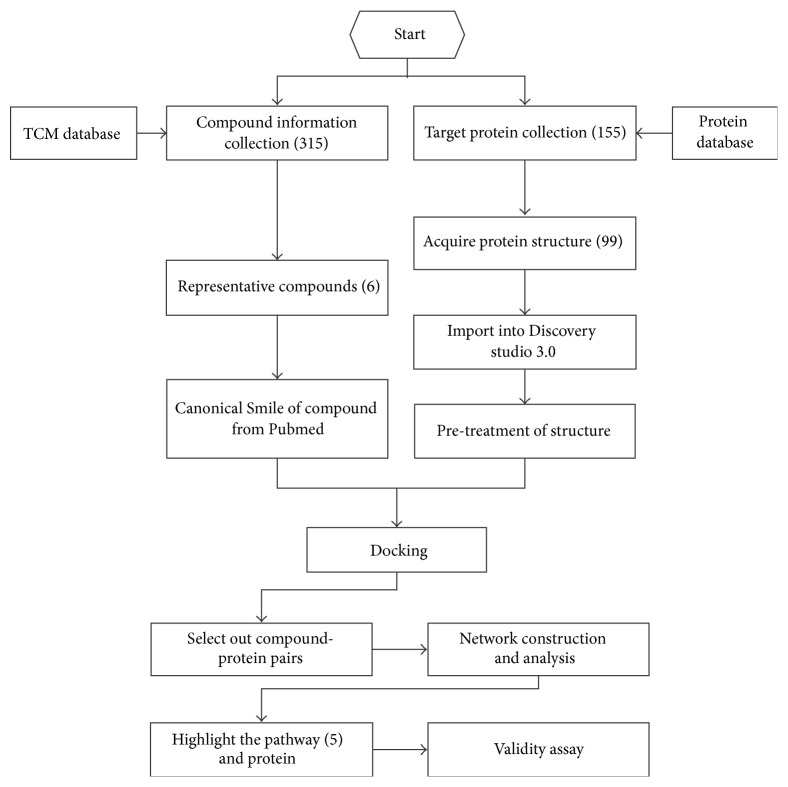
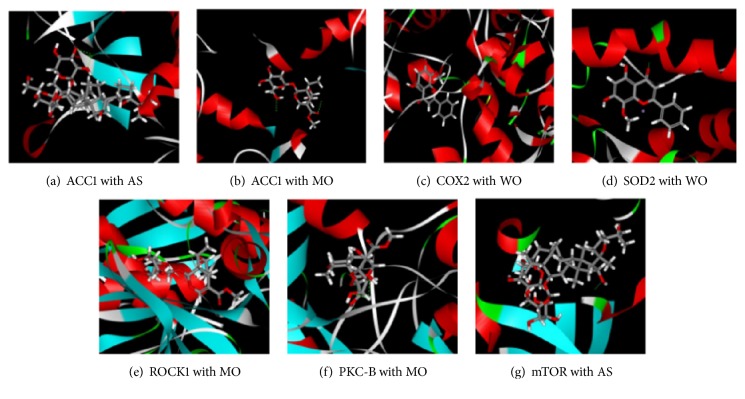
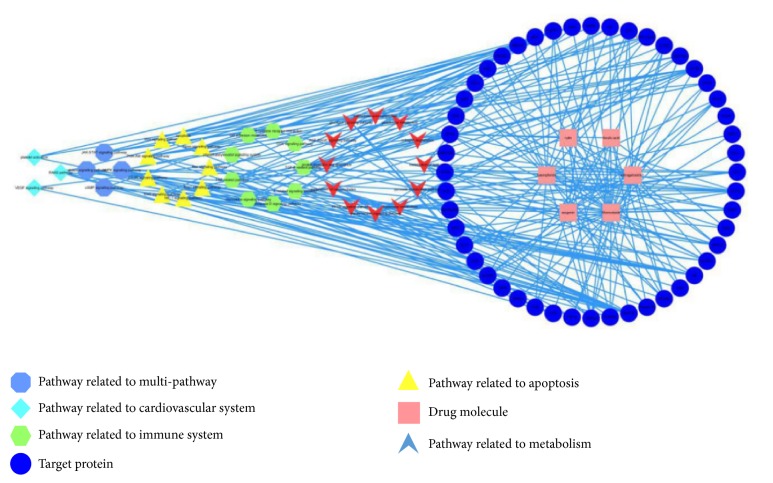
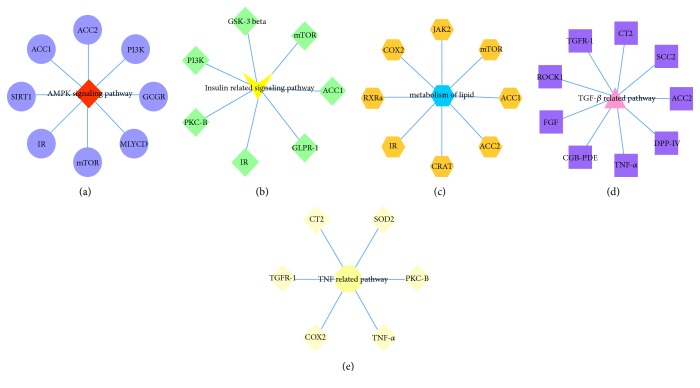
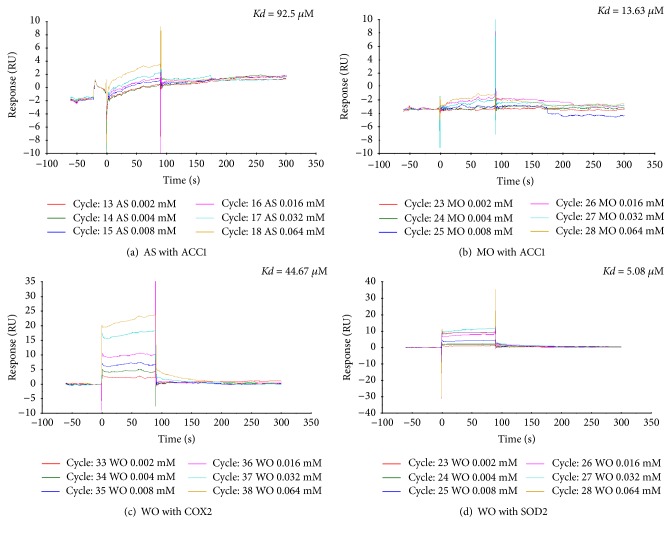
Gandi capsule, a traditional Chinese herbal medicinal formulation that consists of eight herbs, is used as a clinical therapy for diabetic nephropathy. To clarify the potential synergistic mechanism, this study adopted a network pharmacology strategy to screen the action targets that corresponded to the active components in the Gandi capsule. We first constructed a compound database of 315 components in the Gandi capsule and a target database of diabetic nephropathy, which included 155 target proteins. Six representative compounds were selected to dock with 99 proteins found in the UniProtKB database with their PDB code, and interaction networks between the active ingredients of the Gandi capsule and their targets were mapped out. Results revealed 47 proteins with a high affinity with at least one compound molecule in the Gandi capsule. The main action pathways closely related to the development of diabetic nephropathy were the TGF-1, AMPK, insulin, TNF-, and lipid metabolism pathways as per network pharmacology analysis. In the interaction network, ACC1, SOD2, COX2, PKC-B, IR, and ROCK1 proteins had the most frequent interactions with the six compounds. We performed visual molecular docking in silico and experimentally confirmed competitive component-protein binding by SPR and an enzyme activity test, which highlighted the relationships of wogonin to COX2 and SOD2, astragaloside IV to ACC1, and morroniside to ACC1. We concluded that the potential synergistic mechanism of the Gandi capsule resulted from high affinities with multiple proteins and intervention in multiple pathways in combination therapy of diabetic nephropathy.
甘迪胶囊是一种由八种草药组成的传统中药制剂,用作糖尿病肾病的临床治疗药物。为阐明其潜在的协同作用机制,本研究采用网络药理学策略筛选与甘迪胶囊活性成分相对应的作用靶点。我们首先构建了甘迪胶囊中315种成分的化合物数据库以及糖尿病肾病的靶点数据库,其中包括155种靶蛋白。选择六种代表性化合物与UniProtKB数据库中找到的99种具有PDB编码的蛋白质进行对接,并绘制了甘迪胶囊活性成分与其靶点之间的相互作用网络。结果显示,有47种蛋白质与甘迪胶囊中至少一种化合物分子具有高亲和力。根据网络药理学分析,与糖尿病肾病发展密切相关的主要作用途径是TGF-1、AMPK、胰岛素、TNF-和脂质代谢途径。在相互作用网络中,ACC1、SOD2、COX2、PKC-β、IR和ROCK1蛋白与这六种化合物的相互作用最为频繁。我们进行了虚拟视觉分子对接,并通过SPR和酶活性测试实验证实了竞争性成分-蛋白质结合,突出了汉黄芩素与COX2和SOD2、黄芪甲苷与ACC1、莫诺苷与ACC1之间的关系。我们得出结论,甘迪胶囊的潜在协同作用机制源于其与多种蛋白质的高亲和力以及在糖尿病肾病联合治疗中对多种途径的干预。