Saeed Mohamed E M, Mahmoud Nuha, Sugimoto Yoshikazu, Efferth Thomas, Abdel-Aziz Heba
Department of Pharmaceutical Biology, Johannes Gutenberg University, Mainz, Germany.
Division of Chemotherapy, Faculty of Pharmacy, Keio University, Tokyo, Japan.
Front Pharmacol. 2018 May 15;9:481. doi: 10.3389/fphar.2018.00481. eCollection 2018.
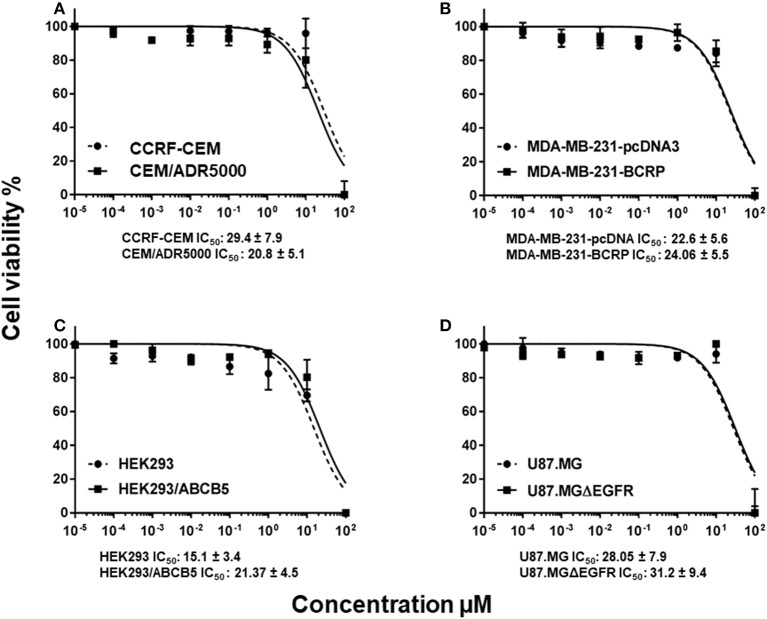
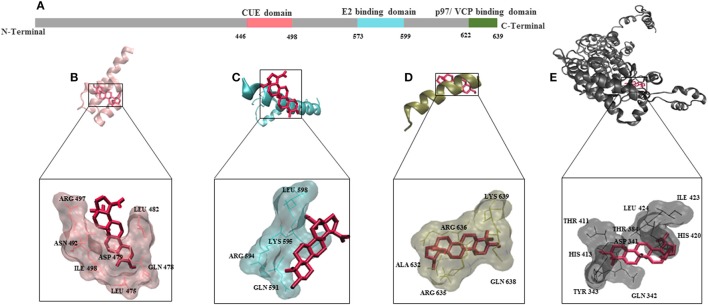
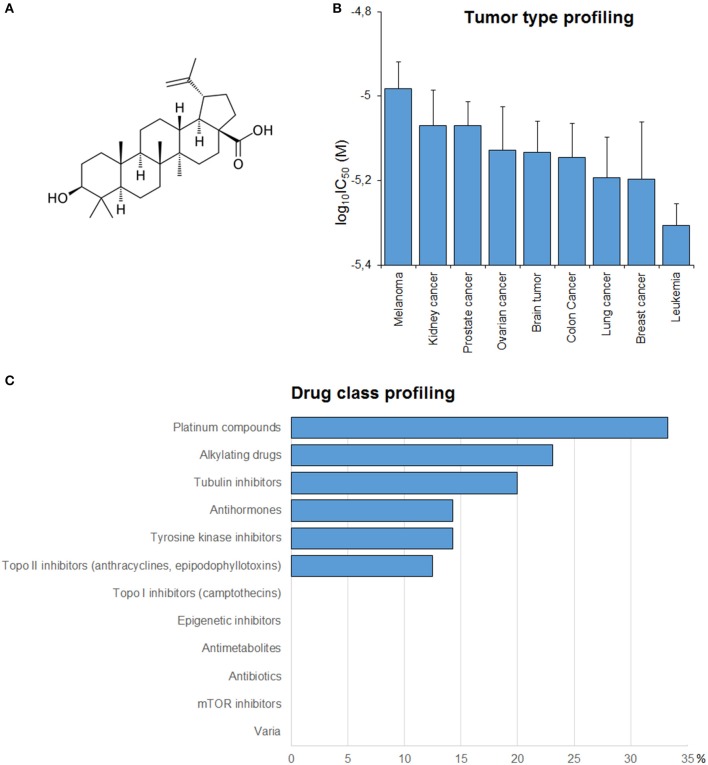
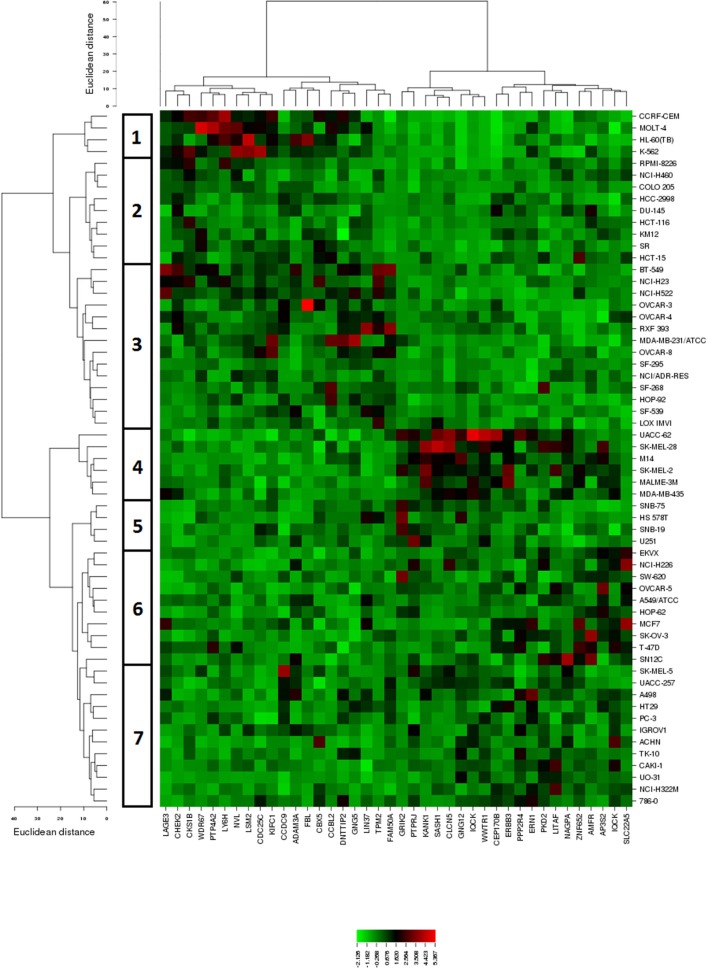
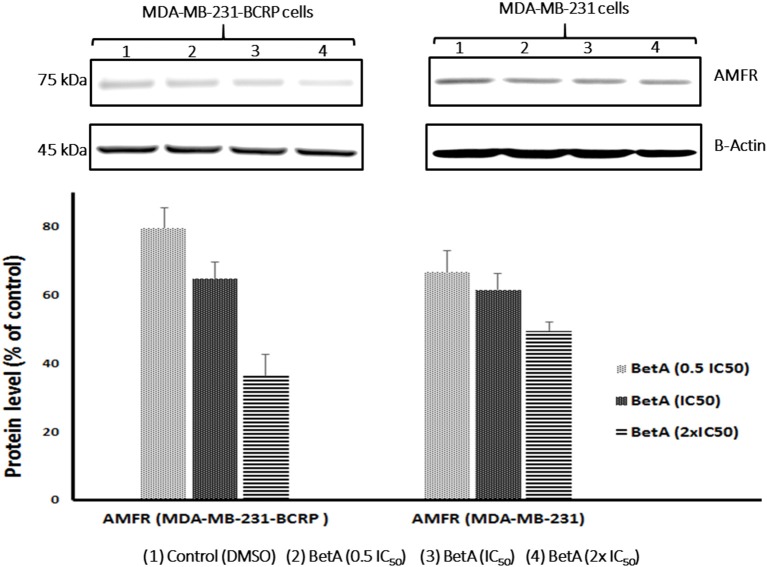
Betulinic acid (BetA) is a naturally occurring pentacyclic triterpene isolated from the outer bark of white-barked birch trees and many other medicinal plants. Here, we studied betulinic acid's cytotoxic activity against drug-resistant tumor cell lines. P-glycoprotein () and BCRP () are known ATP-binding cassette (ABC) drug transporters that mediating MDR. ABCB5 is a close relative to ABCB1, which also mediates MDR. Constitutive activation of the EGF receptor is tightly linked to the development of chemotherapeutic resistance. BetA inhibited P-gp, BCRP, ABCB5 and mutation activated EGFR overexpressing cells with similar efficacy as their drug-sensitive parental counterparts. Furthermore, the mRNA expressions of ABCB1, BCRP, ABCB5 and EGFR were not related to the 50% inhibition concentrations (IC) for BetA in a panel of 60 cell lines of the National Cancer Institute (NCI), USA. In addition to well-established MDR mechanisms, we attempted to identify other molecular mechanisms that play a role in mediating BetA's cytotoxic activity. For this reason, we performed COMPARE and hierarchical cluster analyses of the transcriptome-wide microarray-based mRNA expression of the NCI cell lines panel. Various genes significantly correlating to BetA's activity were involved in different biological processes, e.g., cell cycle regulation, microtubule formation, signal transduction, transcriptional regulation, chromatin remodeling, cell adhesion, tumor suppression, ubiquitination and proteasome degradation. Immunoblotting and analyses revealed that the inhibition of AMFR activity might be one of the mechanisms for BetA to overcome MDR phenotypes. In conclusion, BetA may have therapeutic potential for the treatment of refractory tumors.
桦木酸(BetA)是一种天然存在的五环三萜,从白桦树的外皮以及许多其他药用植物中分离得到。在此,我们研究了桦木酸对耐药肿瘤细胞系的细胞毒活性。P-糖蛋白(P-gp)和乳腺癌耐药蛋白(BCRP)是已知的介导多药耐药(MDR)的ATP结合盒(ABC)药物转运蛋白。ABCB5是ABCB1的近亲,也介导MDR。表皮生长因子受体(EGF受体)的组成性激活与化疗耐药的发生密切相关。桦木酸抑制P-gp、BCRP、ABCB5以及突变激活的表皮生长因子受体过表达细胞,其效果与对药物敏感的亲本细胞相似。此外,在美国国立癌症研究所(NCI)的60种细胞系中,ABCB1、BCRP、ABCB5和表皮生长因子受体的mRNA表达与桦木酸的50%抑制浓度(IC)无关。除了已明确的多药耐药机制外,我们试图确定其他在介导桦木酸细胞毒活性中起作用的分子机制。因此,我们对NCI细胞系转录组范围的基于微阵列的mRNA表达进行了COMPARE分析和层次聚类分析。与桦木酸活性显著相关的各种基因参与了不同的生物学过程,如细胞周期调控、微管形成、信号转导、转录调控、染色质重塑、细胞黏附、肿瘤抑制、泛素化和蛋白酶体降解。免疫印迹和分析显示,抑制AMFR活性可能是桦木酸克服多药耐药表型的机制之一。总之,桦木酸可能对难治性肿瘤具有治疗潜力。