Department of Pediatric Dentistry and Public Health, Araçatuba Dental School, Sao Paulo State University (UNESP), Araçatuba, São Paulo, Brazil.
Department of Endodontics, Araçatuba Dental School, Sao Paulo State University (UNESP), Araçatuba, São Paulo, Brazil.
Int J Nanomedicine. 2018 May 25;13:3081-3091. doi: 10.2147/IJN.S155245. eCollection 2018.
Anticaries agents must interfere with the adhesion of and its proliferation in dental biofilm, without causing host toxicity and bacterial resistance. Natural substances, including cationic antimicrobial peptides (CAMPs) and their fragments, such as β-defensin-3 peptide fragment (D1-23), have been widely studied. However, the chemical and physical stability of CAMPs may be compromised by external factors, such as temperature and pH, reducing the period of antimicrobial activity.
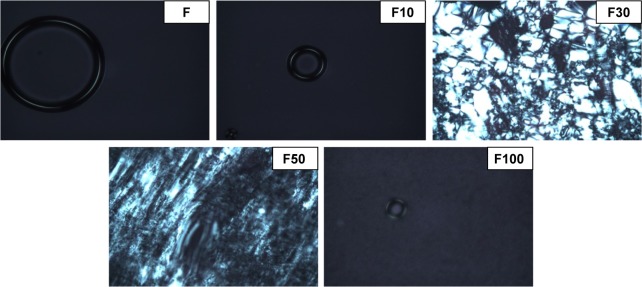
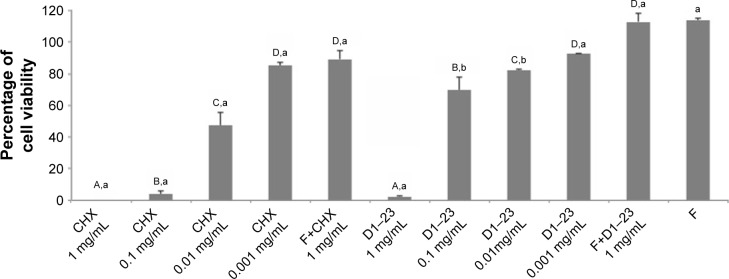
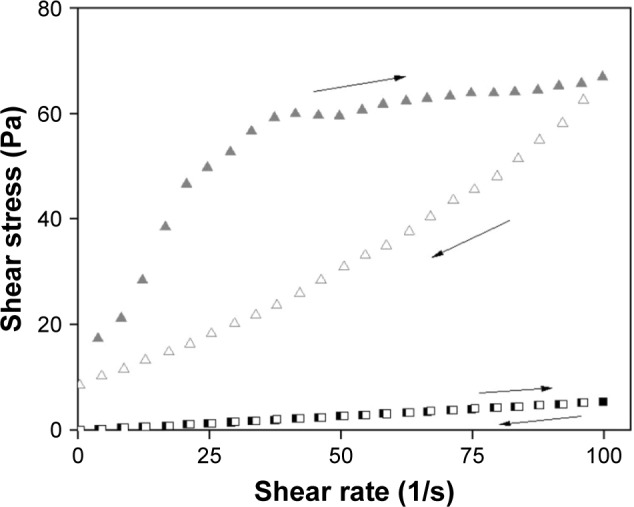
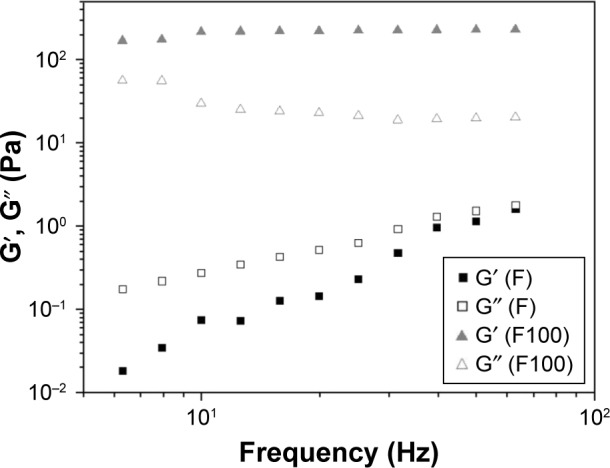
To overcome the aforementioned disadvantage, this study developed and character-ized a drug delivery system and evaluated the cytotoxicity and effect against biofilm of a D1-23-loaded bioadhesive liquid crystalline system (LCS). LCS was composed of oleic acid, polyoxypropylene-(5)-polyoxyethylene-(20)-cetyl alcohol, Carbopol 974P and Carbopol 971P. LCS was analyzed by polarized light microscopy (PLM), rheology (viscoelasticity and flow properties) and in vitro bioadhesion. The viability of epithelial cells was evaluated. Minimal inhibitory concentration (MIC) and minimal bactericidal concentration (MBC) against were determined for D1-23 for further evaluation of the effect against biofilm after 4 and 24 h of exposure to treatments.
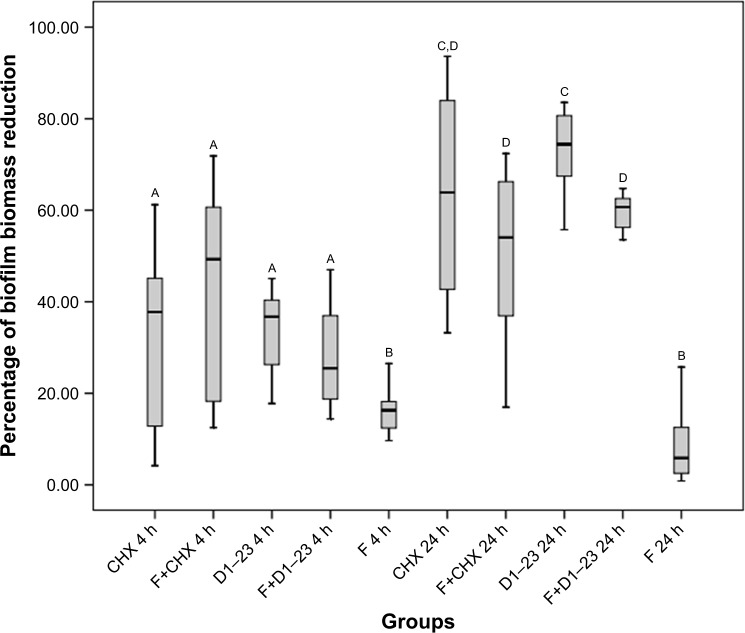
PLM, rheology, and in vitro bioadhesion tests showed that both viscosity and bioadhesion of LCS increased after it was diluted with artificial saliva. D1-23-loaded LCS system presented better activity against biofilm after 24 h when compared to 4 h of treatment, showing a cumulative effect. Neither LCS nor D1-23-loaded LCS presented toxicity on human epithelial cells.
D1-23-loaded LCS is a promising drug delivery system for the prevention of dental caries.
抗龋剂必须干扰 在牙菌斑中的黏附及其增殖,而不引起宿主毒性和细菌耐药性。包括阳离子抗菌肽(CAMPs)及其片段(如β-防御素-3 肽片段(D1-23)在内的天然物质已被广泛研究。然而,CAMPs 的化学和物理稳定性可能会受到外部因素的影响,如温度和 pH 值,从而降低抗菌活性的持续时间。
为了克服上述缺点,本研究开发并表征了一种载 D1-23 的生物粘附液晶系统(LCS)的药物传递系统,并评估了其细胞毒性和对 生物膜的作用。LCS 由油酸、聚氧丙烯-(5)-聚氧乙烯-(20)-鲸蜡醇、Carbopol 974P 和 Carbopol 971P 组成。通过偏光显微镜(PLM)、流变学(粘弹性和流动性能)和体外生物粘附性对 LCS 进行分析。评估上皮细胞的活力。测定 D1-23 对 的最小抑菌浓度(MIC)和最小杀菌浓度(MBC),以进一步评估暴露于治疗 4 和 24 小时后对 生物膜的作用。
PLM、流变学和体外生物粘附试验表明,LCS 在用人工唾液稀释后其粘度和生物粘附性均增加。与 4 小时处理相比,D1-23 负载的 LCS 系统在 24 小时后对 生物膜的活性更好,表现出累积效应。LCS 和负载 D1-23 的 LCS 系统均未对人上皮细胞产生毒性。
负载 D1-23 的 LCS 是预防龋齿的有前途的药物传递系统。