Sundaresan Srivignesh, Philosoph-Hadas Sonia, Ma Chao, Jiang Cai-Zhong, Riov Joseph, Mugasimangalam Raja, Kochanek Betina, Salim Shoshana, Reid Michael S, Meir Shimon
1Department of Postharvest Science of Fresh Produce, Agricultural Research Organization (ARO), The Volcani Center, Rishon LeZiyon, Israel.
2The Robert H. Smith Institute of Plant Sciences and Genetics in Agriculture, The Robert H. Smith Faculty of Agriculture, Food and Environment, The Hebrew University of Jerusalem, Rehovot, Israel.
Hortic Res. 2018 Jun 1;5:28. doi: 10.1038/s41438-018-0033-2. eCollection 2018.
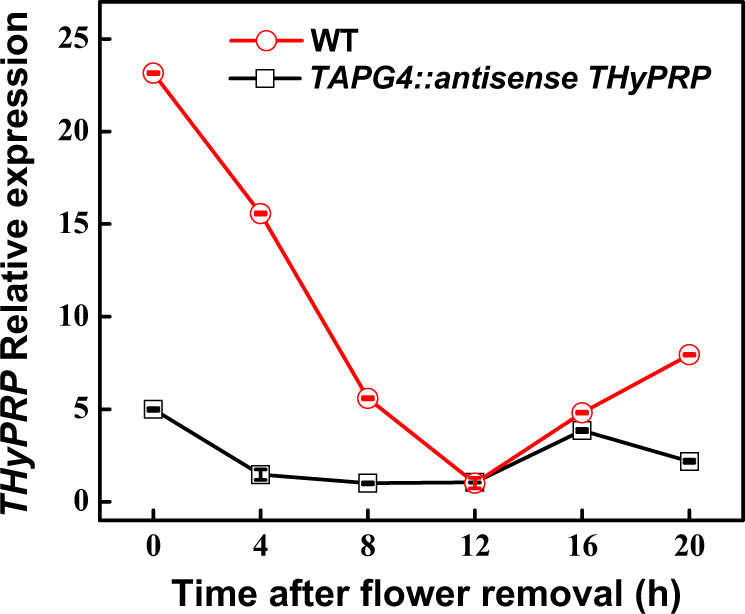
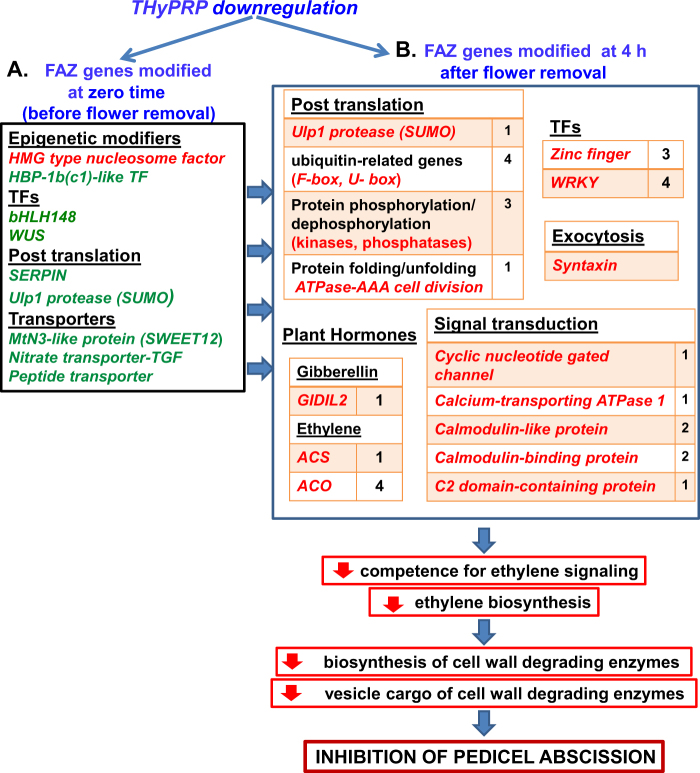
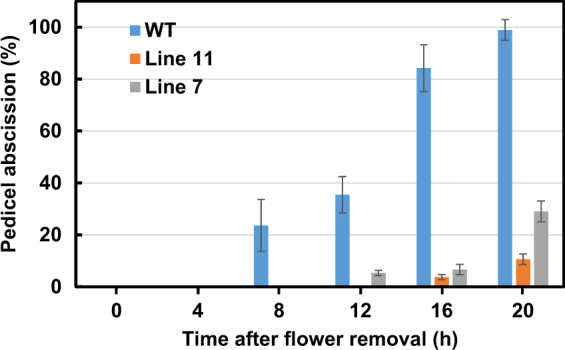
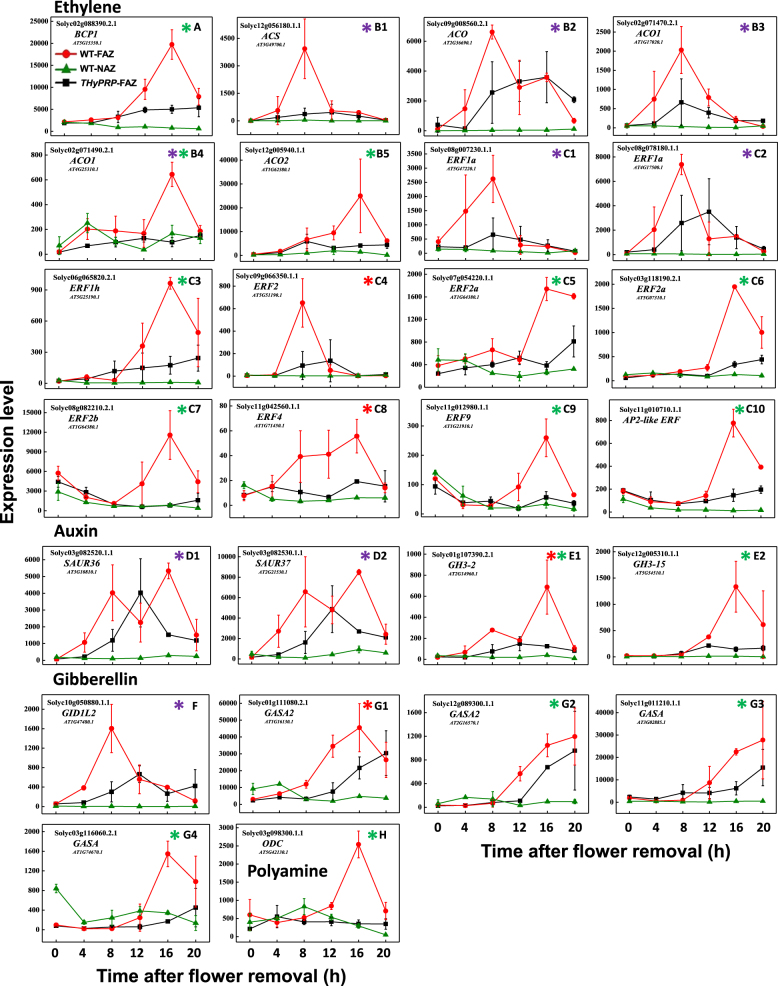
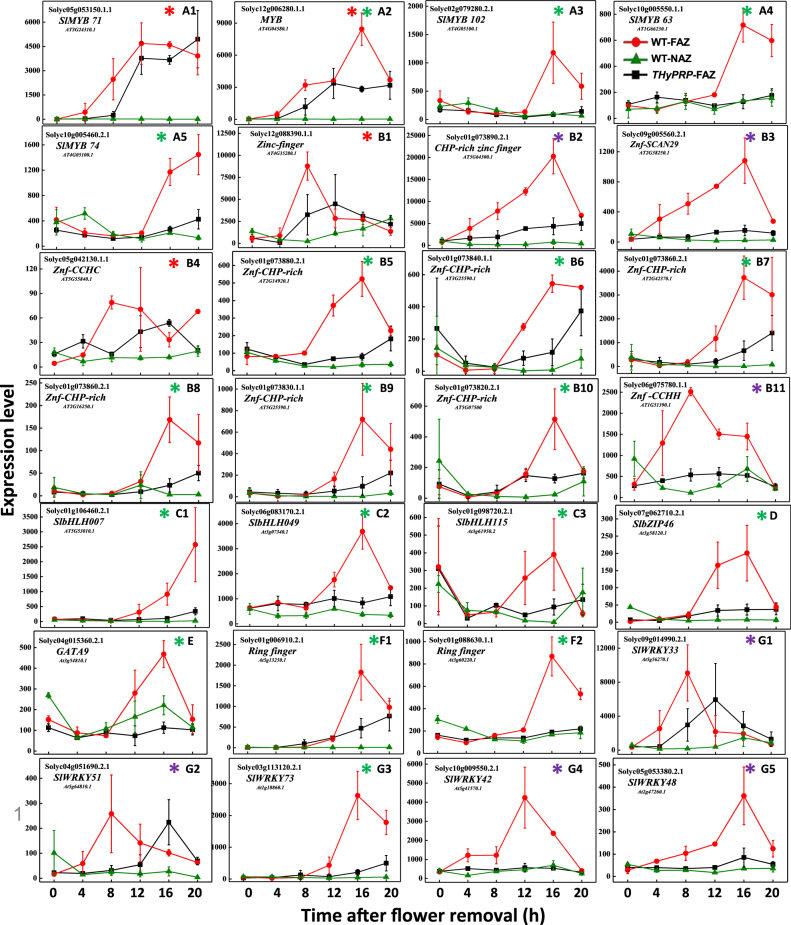
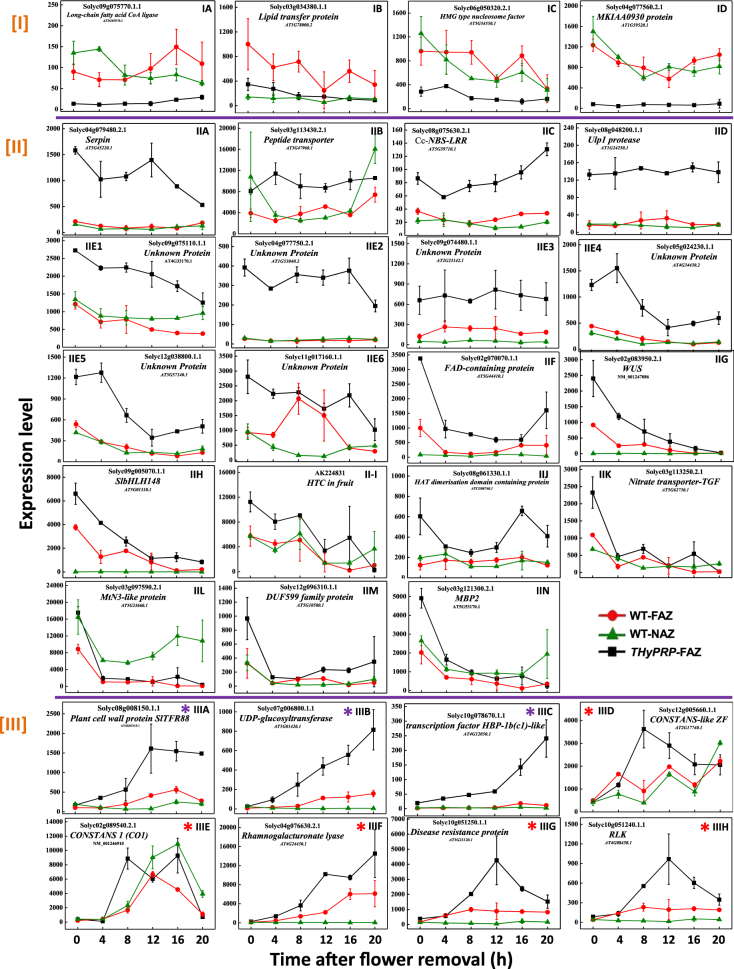
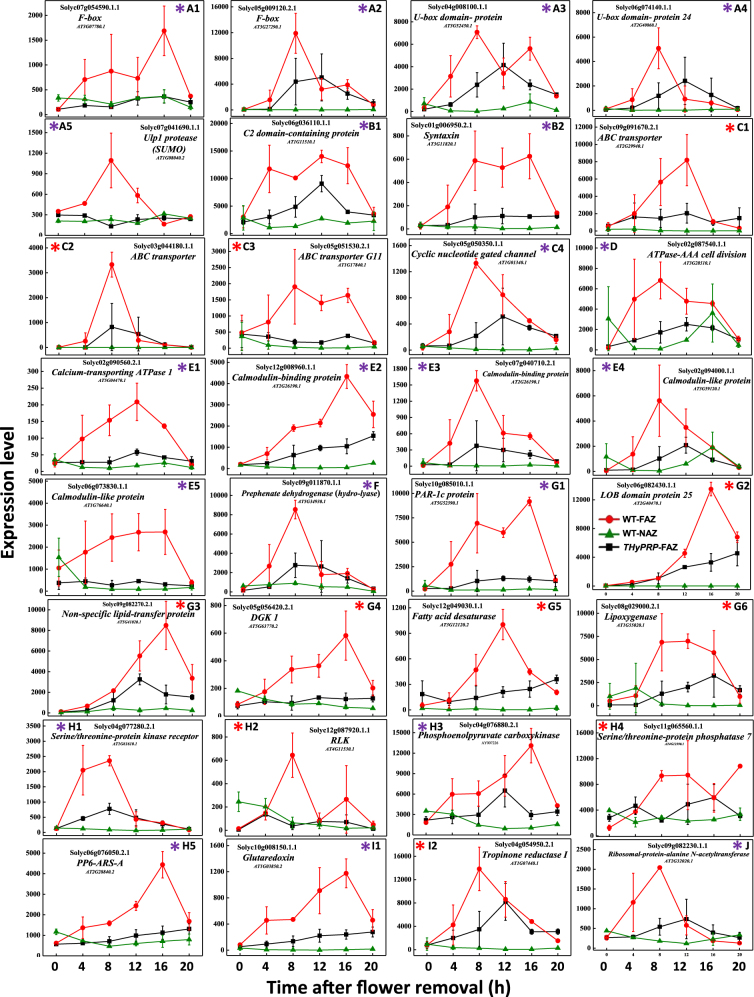
The Tomato Hybrid Proline-rich Protein () gene was specifically expressed in the tomato () flower abscission zone (FAZ), and its stable antisense silencing under the control of an abscission zone (AZ)-specific promoter, , significantly inhibited tomato pedicel abscission following flower removal. For understanding the THyPRP role in regulating pedicel abscission, a transcriptomic analysis of the FAZ of -silenced plants was performed, using a newly developed AZ-specific tomato microarray chip. Decreased expression of in the silenced plants was already observed before abscission induction, resulting in FAZ-specific altered gene expression of transcription factors, epigenetic modifiers, post-translational regulators, and transporters. Our data demonstrate that the effect of silencing on pedicel abscission was not mediated by its effect on auxin balance, but by decreased ethylene biosynthesis and response. Additionally, silencing revealed new players, which were demonstrated for the first time to be involved in regulating pedicel abscission processes. These include: gibberellin perception, Ca-Calmodulin signaling, Serpins and Small Ubiquitin-related Modifier proteins involved in post-translational modifications, Synthaxin and SNARE-like proteins, which participate in exocytosis, a process necessary for cell separation. These changes, occurring in the silenced plants early after flower removal, inhibited and/or delayed the acquisition of the competence of the FAZ cells to respond to ethylene signaling. Our results suggest that THyPRP acts as a master regulator of flower abscission in tomato, predominantly by playing a role in the regulation of the FAZ cell competence to respond to ethylene signals.
番茄富含脯氨酸的杂交蛋白()基因在番茄()花脱落区(FAZ)中特异性表达,在脱落区(AZ)特异性启动子的控制下对其进行稳定的反义沉默,显著抑制了摘除花后果梗的脱落。为了解THyPRP在调节梗脱落中的作用,使用新开发的AZ特异性番茄微阵列芯片对-沉默植株的FAZ进行了转录组分析。在脱落诱导之前就已经观察到沉默植株中表达降低,导致FAZ中与转录因子、表观遗传修饰因子、翻译后调节因子和转运蛋白相关的基因表达发生特异性改变。我们的数据表明,沉默对梗脱落的影响不是通过其对生长素平衡的影响介导的,而是通过乙烯生物合成和反应的降低介导的。此外,沉默揭示了新的参与者,首次证明它们参与调节梗脱落过程。这些包括:赤霉素感知、钙-钙调蛋白信号传导、参与翻译后修饰的丝氨酸蛋白酶抑制剂和小泛素相关修饰蛋白、参与胞吐作用(细胞分离所必需的过程)的Syntaxin和SNARE样蛋白。这些变化在摘除花后早期在沉默植株中发生,抑制和/或延迟了FAZ细胞对乙烯信号作出反应的能力的获得。我们的结果表明,THyPRP作为番茄花脱落的主要调节因子,主要通过在调节FAZ细胞对乙烯信号作出反应的能力中发挥作用。