Pei Wuhong, Xu Lisha, Huang Sunny C, Pettie Kade, Idol Jennifer, Rissone Alberto, Jimenez Erin, Sinclair Jason W, Slevin Claire, Varshney Gaurav K, Jones MaryPat, Carrington Blake, Bishop Kevin, Huang Haigen, Sood Raman, Lin Shuo, Burgess Shawn M
1Translational and Functional Genomics Branch, National Human Genome Research Institute, Bethesda, MD 20892 USA.
2Functional and Chemical Genomics Research Program, Oklahoma Medical Research Foundation, Oklahoma City, OK 73104 USA.
NPJ Regen Med. 2018 Jun 4;3:11. doi: 10.1038/s41536-018-0050-7. eCollection 2018.
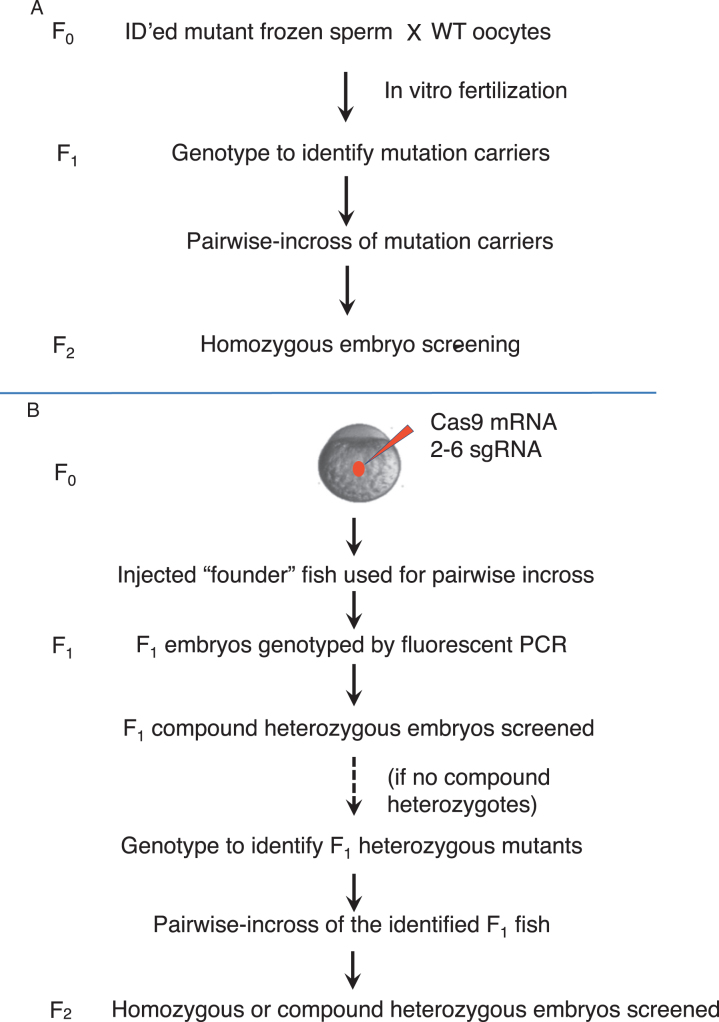
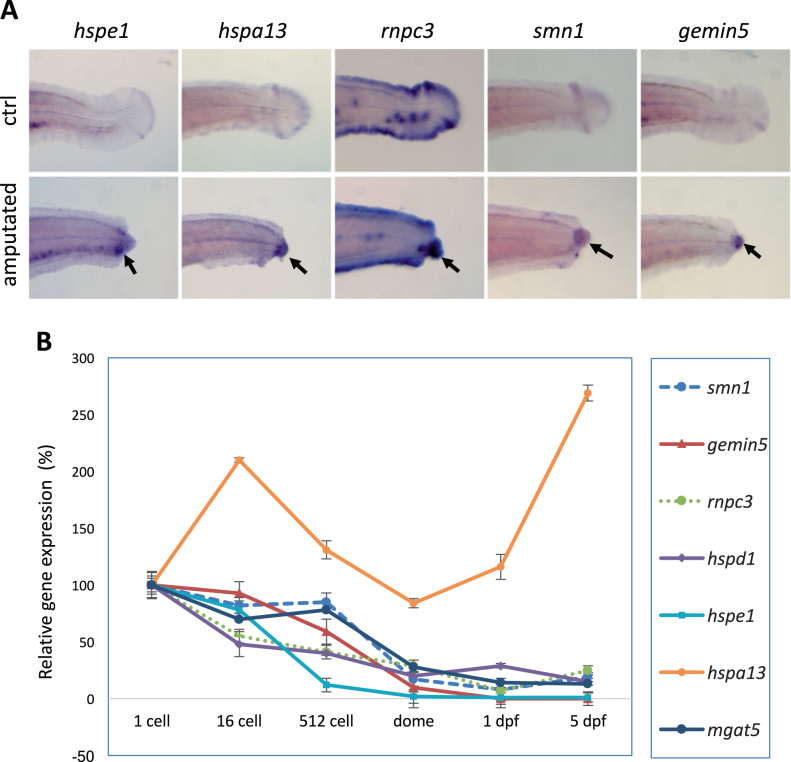
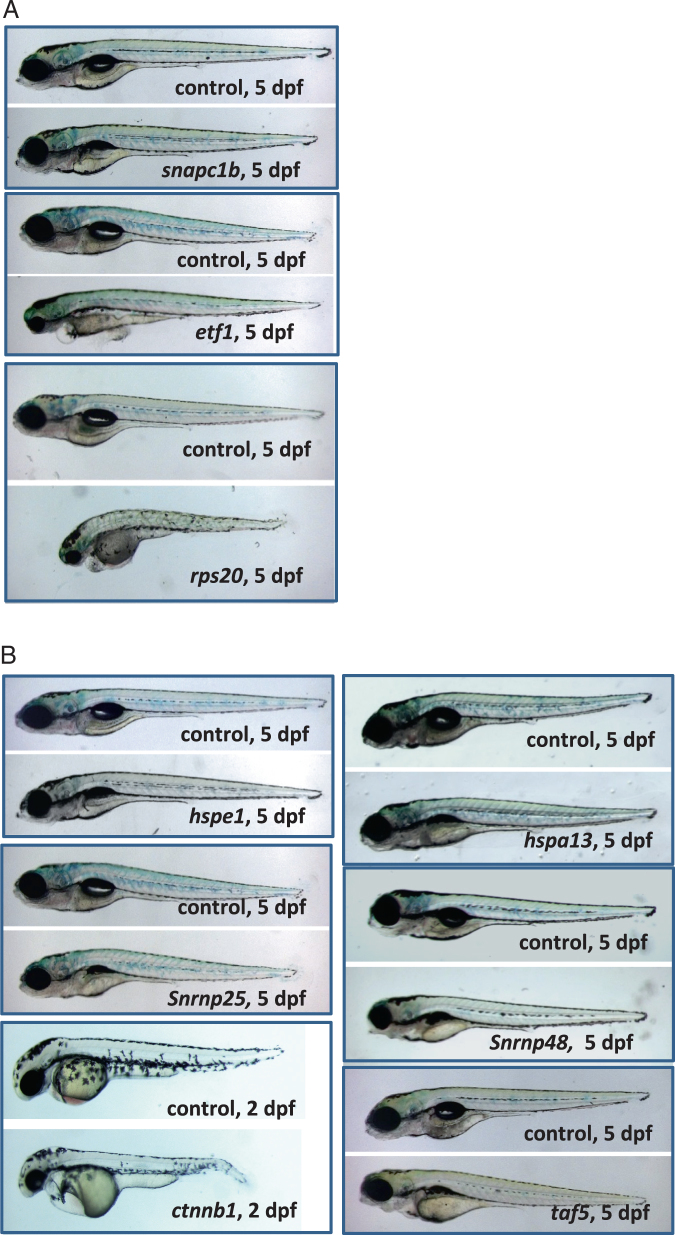
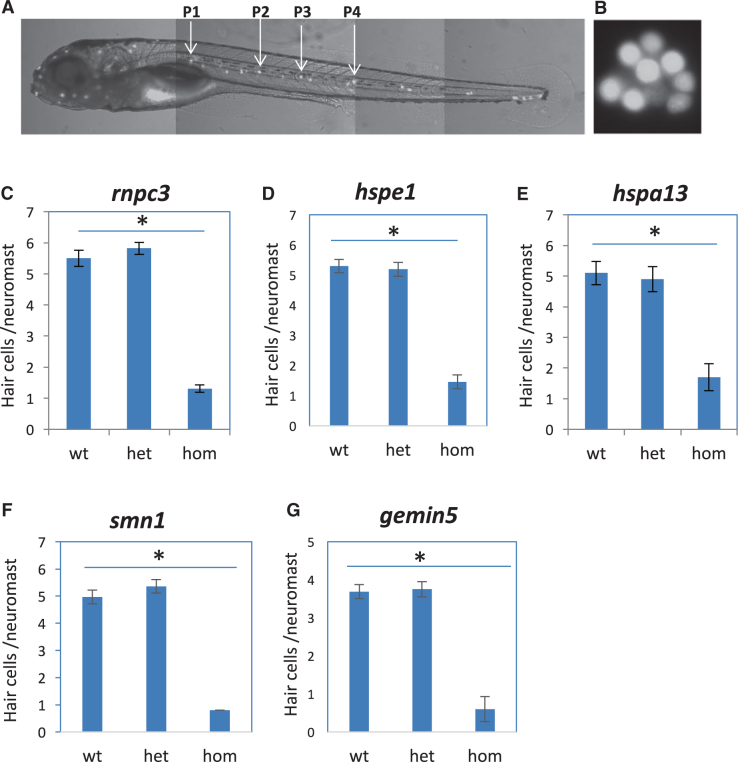
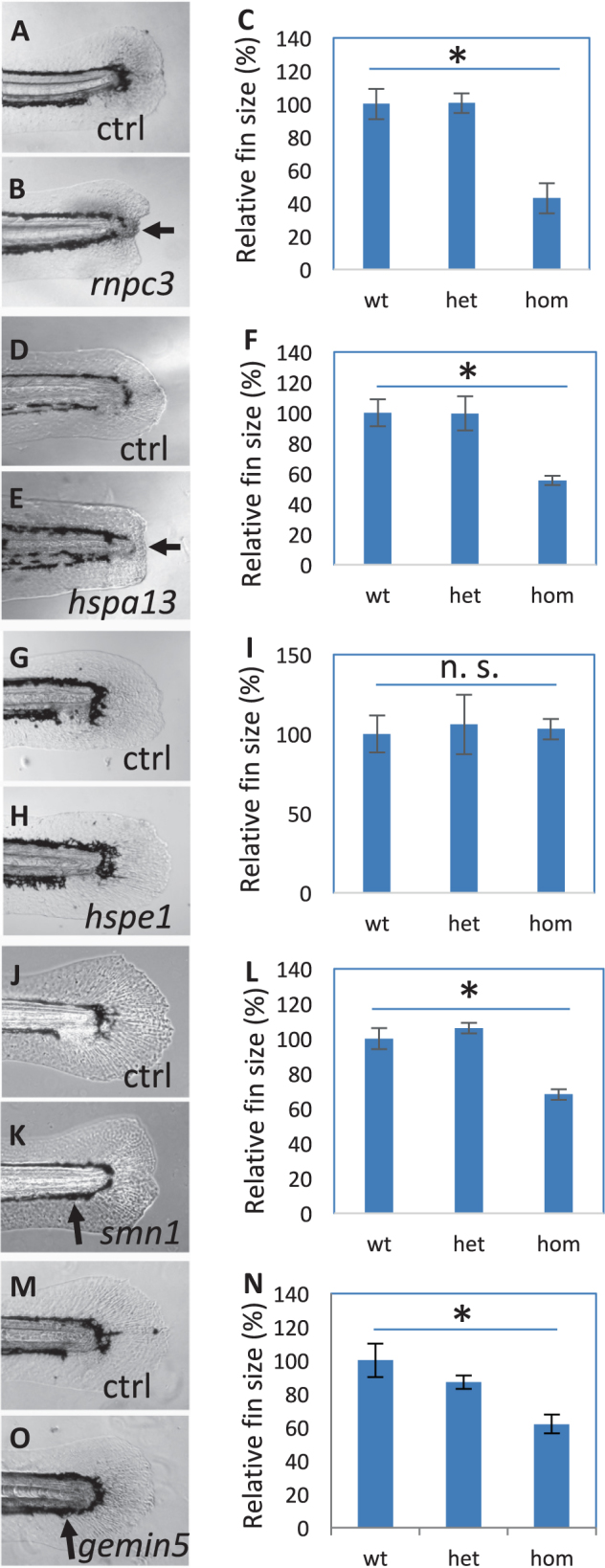
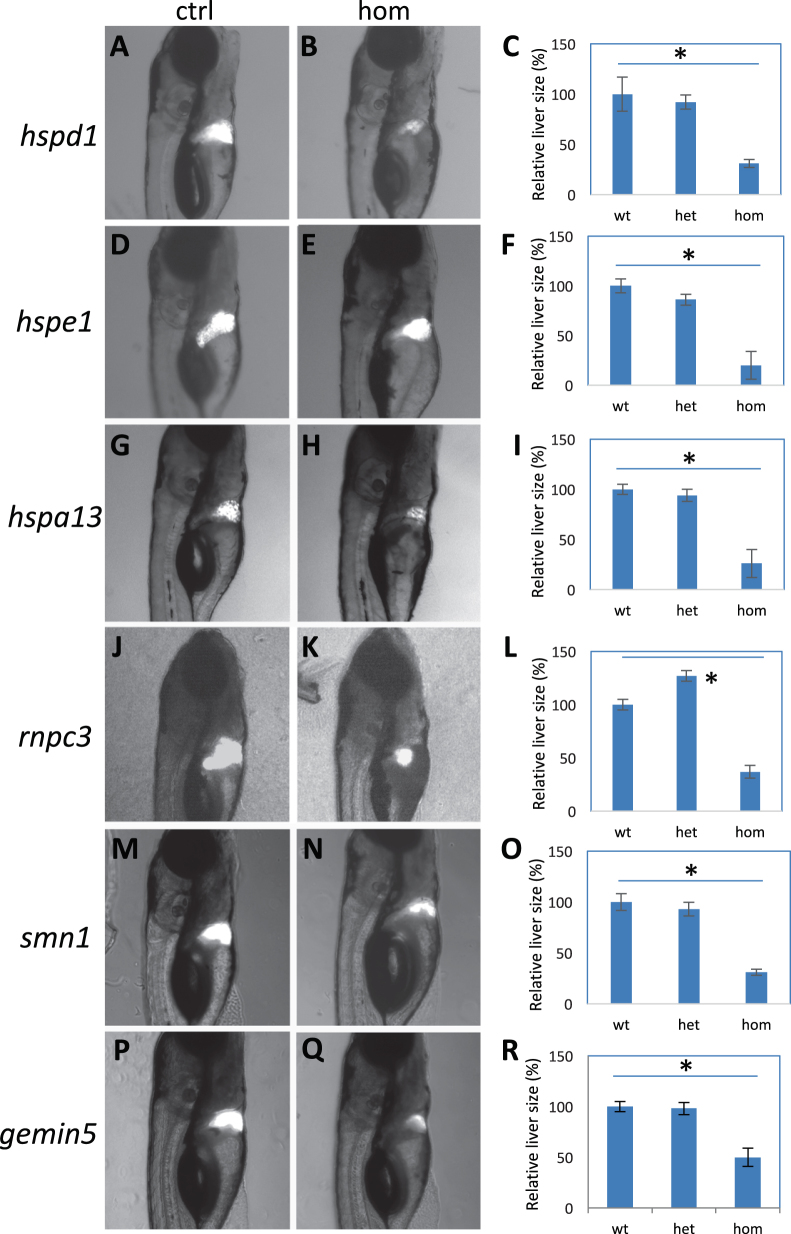
Regenerative medicine holds great promise for both degenerative diseases and traumatic tissue injury which represent significant challenges to the health care system. Hearing loss, which affects hundreds of millions of people worldwide, is caused primarily by a permanent loss of the mechanosensory receptors of the inner ear known as hair cells. This failure to regenerate hair cells after loss is limited to mammals, while all other non-mammalian vertebrates tested were able to completely regenerate these mechanosensory receptors after injury. To understand the mechanism of hair cell regeneration and its association with regeneration of other tissues, we performed a guided mutagenesis screen using zebrafish lateral line hair cells as a screening platform to identify genes that are essential for hair cell regeneration, and further investigated how genes essential for hair cell regeneration were involved in the regeneration of other tissues. We created genetic mutations either by retroviral insertion or CRISPR/Cas9 approaches, and developed a high-throughput screening pipeline for analyzing hair cell development and regeneration. We screened 254 gene mutations and identified 7 genes specifically affecting hair cell regeneration. These hair cell regeneration genes fell into distinct and somewhat surprising functional categories. By examining the regeneration of caudal fin and liver, we found these hair cell regeneration genes often also affected other types of tissue regeneration. Therefore, our results demonstrate guided screening is an effective approach to discover regeneration candidates, and hair cell regeneration is associated with other tissue regeneration.
再生医学对于退行性疾病和创伤性组织损伤都具有巨大的前景,而这些疾病对医疗保健系统构成了重大挑战。听力损失影响着全球数亿人,主要是由内耳中被称为毛细胞的机械感觉受体永久性丧失所导致的。毛细胞丧失后无法再生的情况仅限于哺乳动物,而所有其他经过测试的非哺乳动物脊椎动物在受伤后都能够完全再生这些机械感觉受体。为了了解毛细胞再生的机制及其与其他组织再生的关联,我们以斑马鱼侧线毛细胞作为筛选平台进行了定向诱变筛选,以鉴定对毛细胞再生至关重要的基因,并进一步研究毛细胞再生所需的基因如何参与其他组织的再生。我们通过逆转录病毒插入或CRISPR/Cas9方法创建基因突变,并开发了一种高通量筛选流程来分析毛细胞的发育和再生。我们筛选了254个基因突变,鉴定出7个特异性影响毛细胞再生的基因。这些毛细胞再生基因属于不同且有些出人意料的功能类别。通过检查尾鳍和肝脏的再生情况,我们发现这些毛细胞再生基因通常也会影响其他类型的组织再生。因此,我们的结果表明定向筛选是发现再生候选基因的有效方法,并且毛细胞再生与其他组织再生相关。