Tosa Motofumi, Aihara Masako, Murakami Junko
Saitama Cooperative Hospital, Japan.
Intern Med. 2018 Nov 1;57(21):3199-3204. doi: 10.2169/internalmedicine.0795-18. Epub 2018 Jun 6.
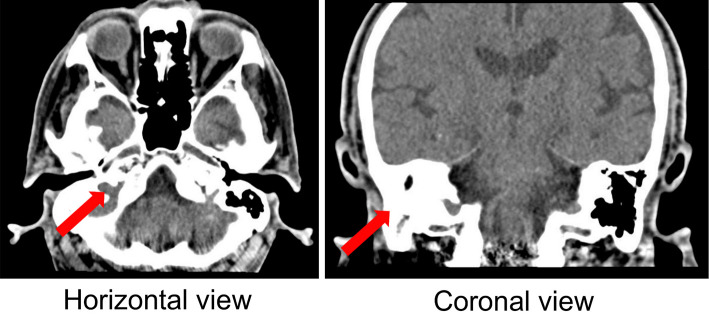
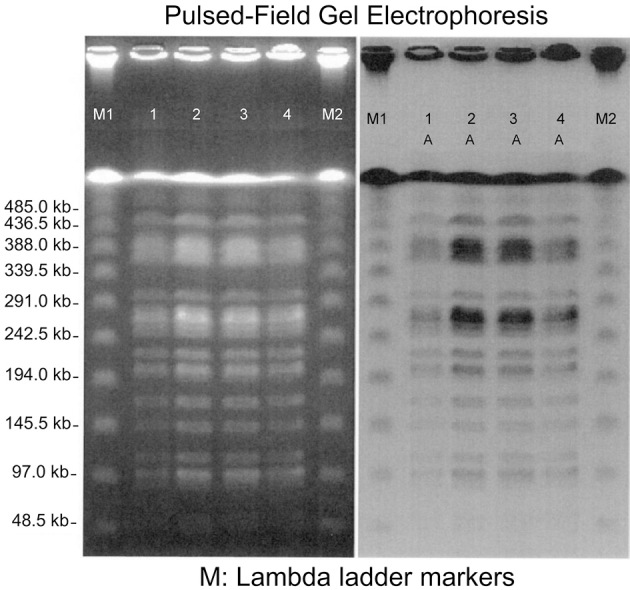
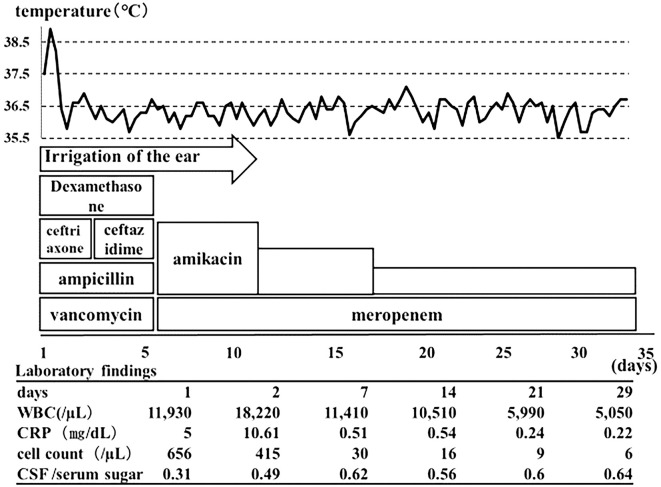
A 78-year-old man had a fever and exhibited disordered consciousness, which led to his transportation to our hospital. On arrival, he exhibited discharge from the ear. Because extended-spectrum beta-lactamase (ESBL)-producing Escherichia coli was detected in the ear discharge and cerebrospinal fluid specimens, it was inferred to be the causal bacteria. Pulsed-field gel electrophoresis indicated the same ESBL-producing E. coli pattern in the patient's ear discharge, external auditory canal granulation, cerebrospinal fluid, and stool, indicating their common molecular epidemiological origin. Although ESBL-producing E. coli is an extremely rare cause of bacterial meningitis, it should be considered as a potential causal bacteria for community-acquired meningitis.
一名78岁男性发热并出现意识障碍,遂被送往我院。入院时,他耳部有分泌物。由于在耳部分泌物和脑脊液标本中检测出产超广谱β-内酰胺酶(ESBL)的大肠埃希菌,推断其为病原菌。脉冲场凝胶电泳显示患者耳部分泌物、外耳道肉芽、脑脊液和粪便中产ESBL大肠埃希菌的模式相同,表明它们具有共同的分子流行病学来源。尽管产ESBL大肠埃希菌是细菌性脑膜炎极为罕见的病因,但对于社区获得性脑膜炎,应将其视为潜在的病原菌。