Department of Mathematics and Applied Mathematics, University of the Western Cape, Private Bag X17, Bellville 7535, South Africa.
DST-NRF Centre of Excellence in Mathematical and Statistical Sciences (CoE-Mass), University of the Witwatersrand, Private Bag 3, Wits 2050 Gauteng, South Africa.
PLoS One. 2018 Jun 7;13(6):e0198280. doi: 10.1371/journal.pone.0198280. eCollection 2018.
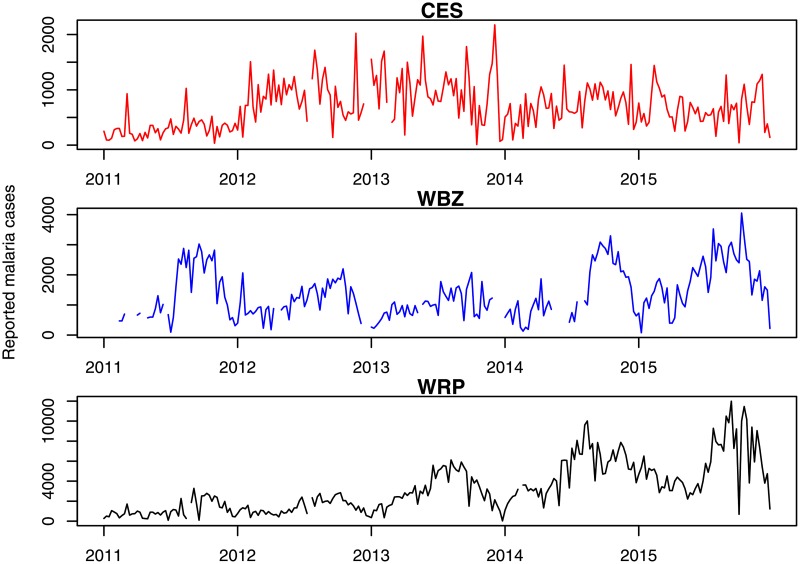
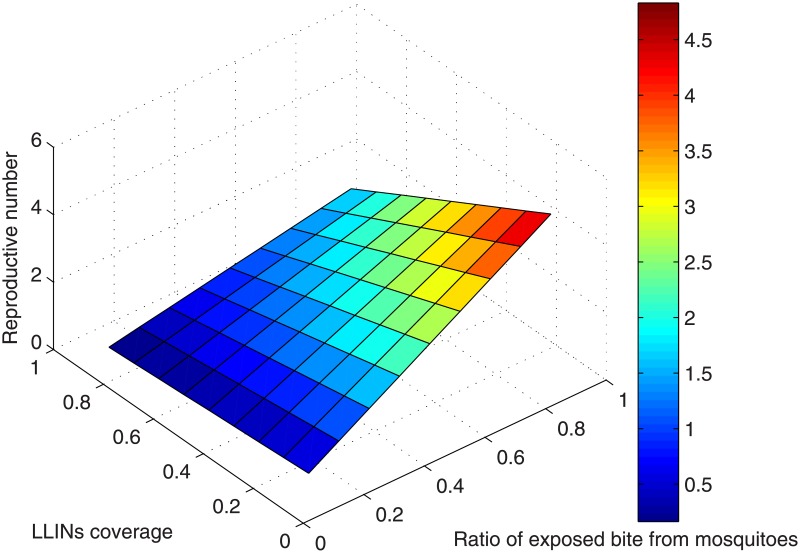
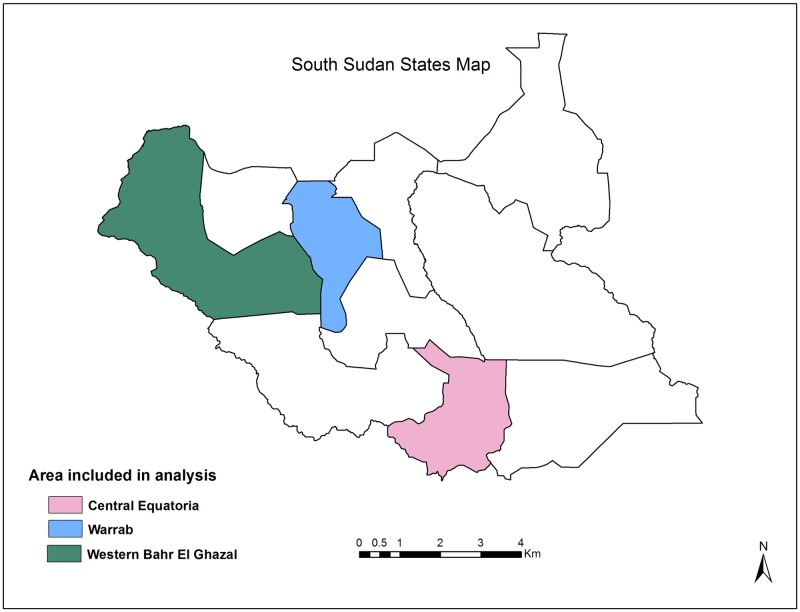
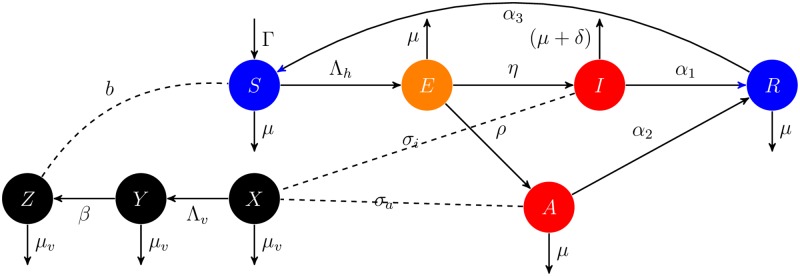
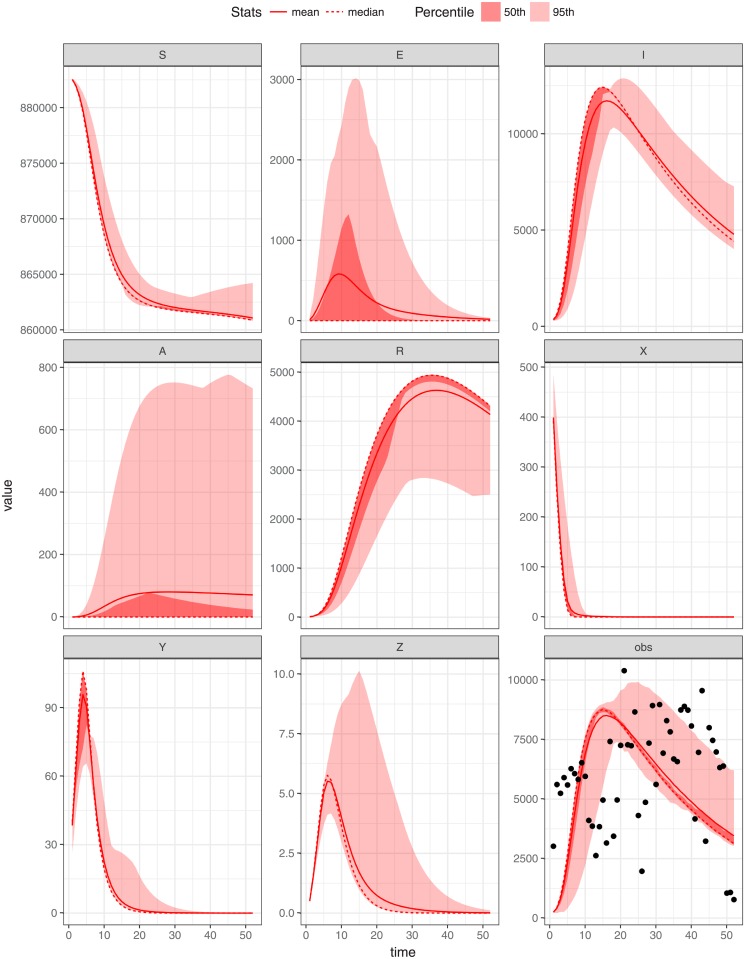
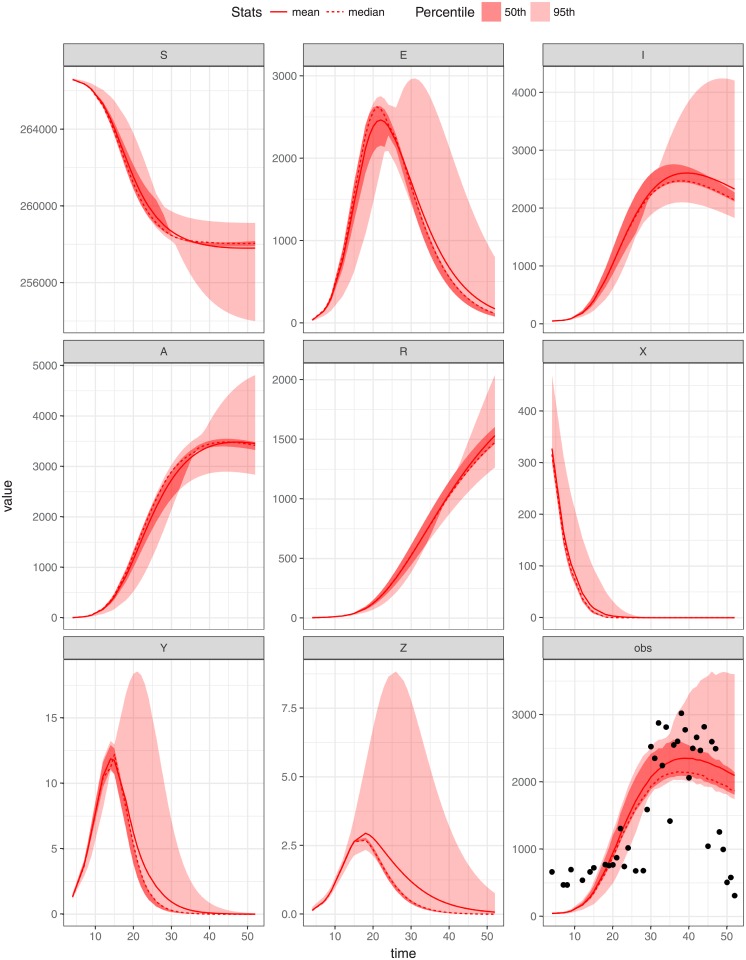
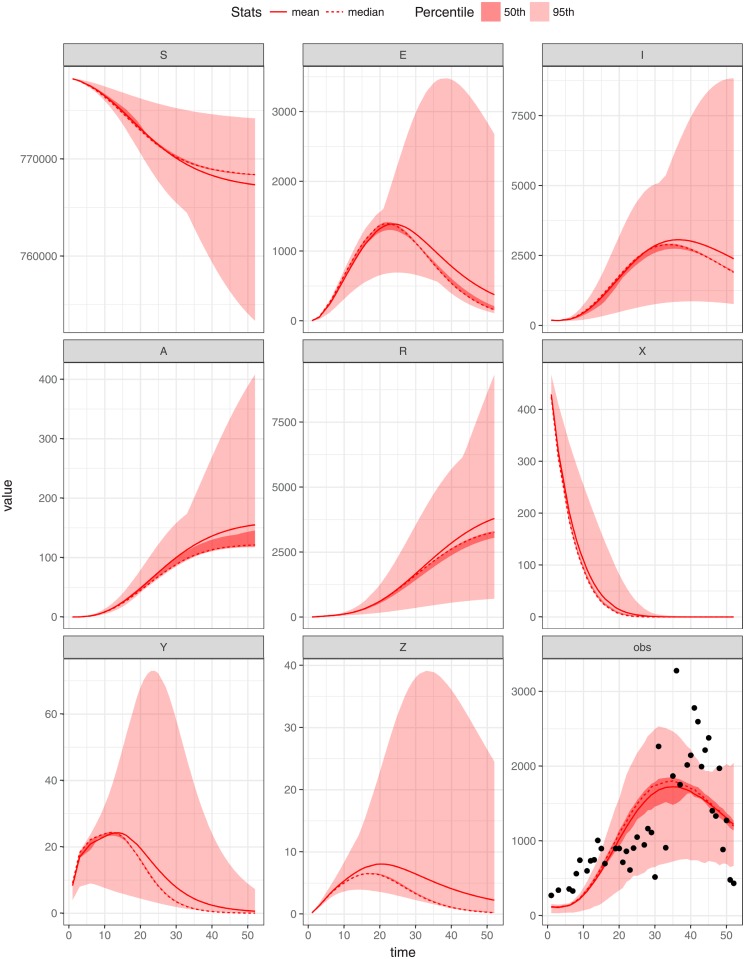
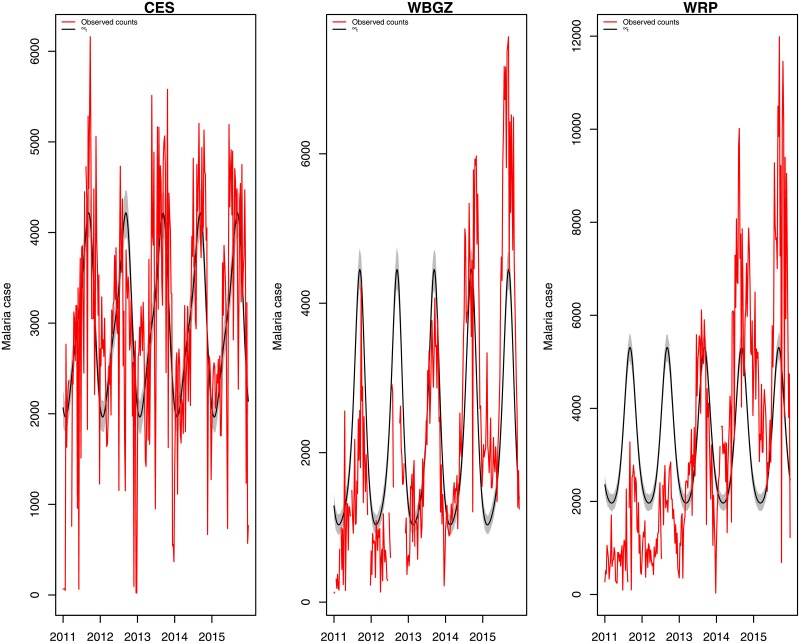
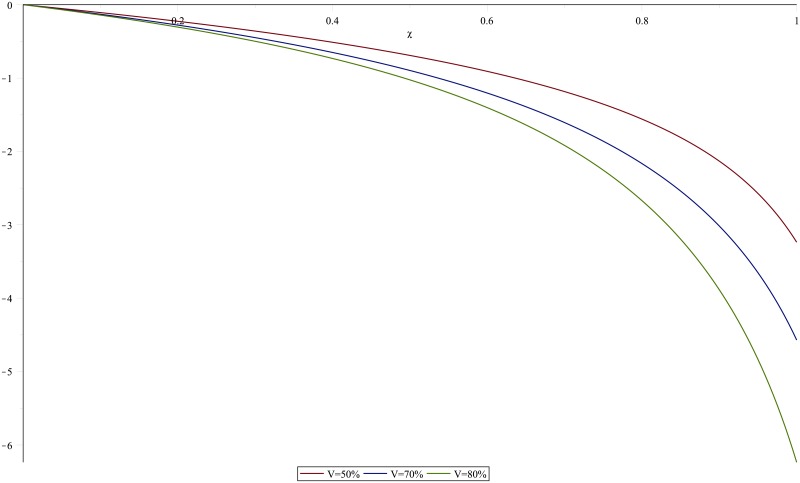
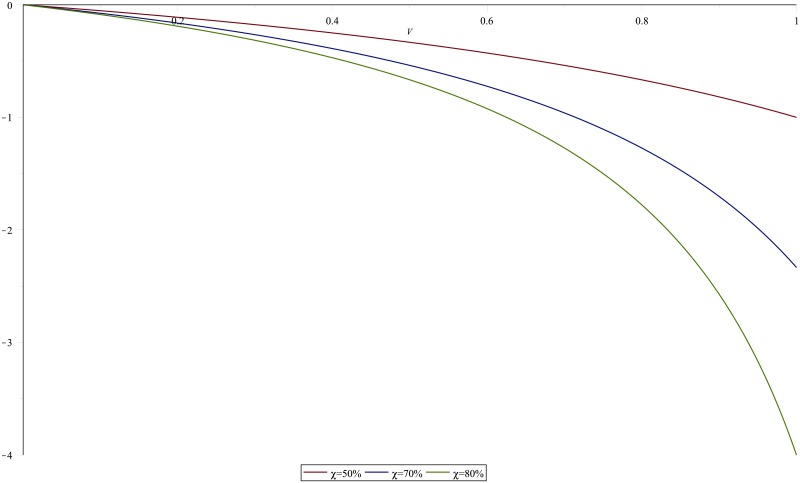
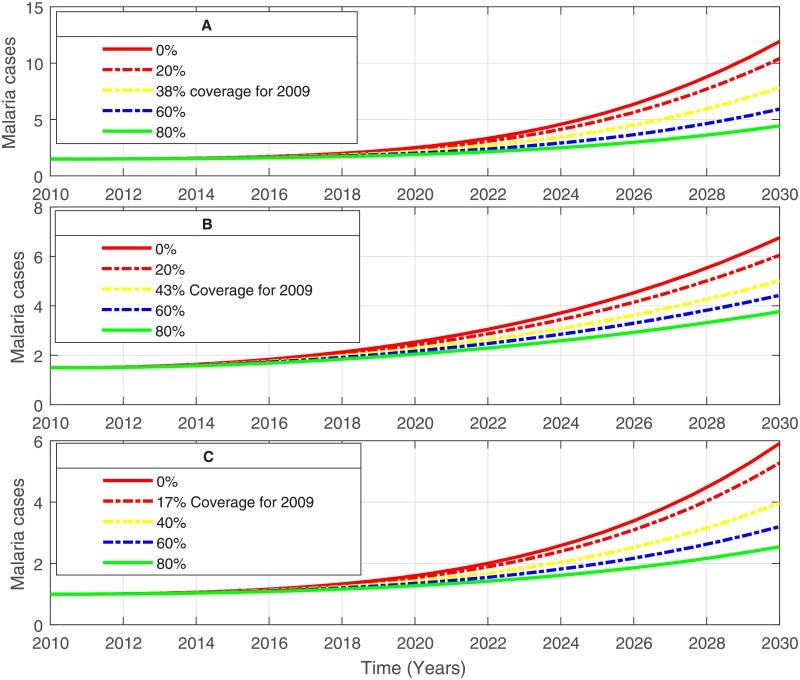
A campaign for malaria control, using Long Lasting Insecticide Nets (LLINs) was launched in South Sudan in 2009. The success of such a campaign often depends upon adequate available resources and reliable surveillance data which help officials understand existing infections. An optimal allocation of resources for malaria control at a sub-national scale is therefore paramount to the success of efforts to reduce malaria prevalence. In this paper, we extend an existing SIR mathematical model to capture the effect of LLINs on malaria transmission. Available data on malaria is utilized to determine realistic parameter values of this model using a Bayesian approach via Markov Chain Monte Carlo (MCMC) methods. Then, we explore the parasite prevalence on a continued rollout of LLINs in three different settings in order to create a sub-national projection of malaria. Further, we calculate the model's basic reproductive number and study its sensitivity to LLINs' coverage and its efficacy. From the numerical simulation results, we notice a basic reproduction number, [Formula: see text], confirming a substantial increase of incidence cases if no form of intervention takes place in the community. This work indicates that an effective use of LLINs may reduce [Formula: see text] and hence malaria transmission. We hope that this study will provide a basis for recommending a scaling-up of the entry point of LLINs' distribution that targets households in areas at risk of malaria.
2009 年,南苏丹启动了一项使用长效驱虫蚊帐(LLINs)的疟疾控制运动。此类运动的成功往往取决于是否有充足的现有资源和可靠的监测数据,这些数据可以帮助官员了解现有的感染情况。因此,在国家以下各级为疟疾控制进行最佳资源分配对于减少疟疾流行率的努力至关重要。在本文中,我们扩展了现有的 SIR 数学模型,以捕捉 LLINs 对疟疾传播的影响。利用现有的疟疾数据,我们通过马尔可夫链蒙特卡罗(MCMC)方法使用贝叶斯方法确定该模型的实际参数值。然后,我们在三种不同的情况下探索了寄生虫病的流行情况,以继续推广 LLINs,从而对疟疾进行国家以下各级的预测。此外,我们计算了模型的基本繁殖数,并研究了它对 LLINs 的覆盖率及其功效的敏感性。从数值模拟结果中,我们注意到基本繁殖数[Formula: see text],这表明如果社区不采取任何干预措施,发病率病例将大幅增加。这项工作表明,有效使用 LLINs 可能会降低[Formula: see text],从而减少疟疾传播。我们希望本研究将为推荐扩大 LLINs 分发的切入点提供依据,该切入点针对疟疾风险地区的家庭。