International Centre for Diarrhoeal Disease Research, Bangladesh (icddr,b), Dhaka, Bangladesh.
University at Buffalo, Buffalo, New York.
Am J Trop Med Hyg. 2018 Aug;99(2):502-512. doi: 10.4269/ajtmh.17-0672. Epub 2018 Jun 7.
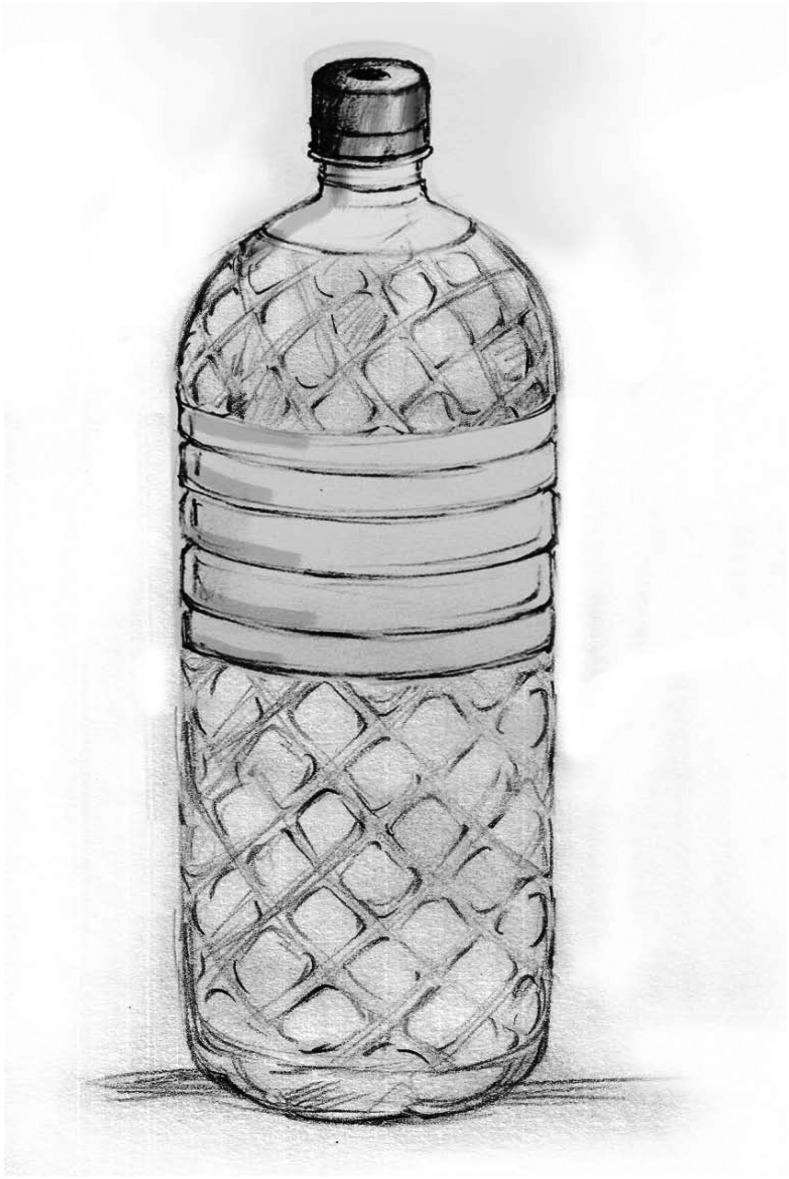
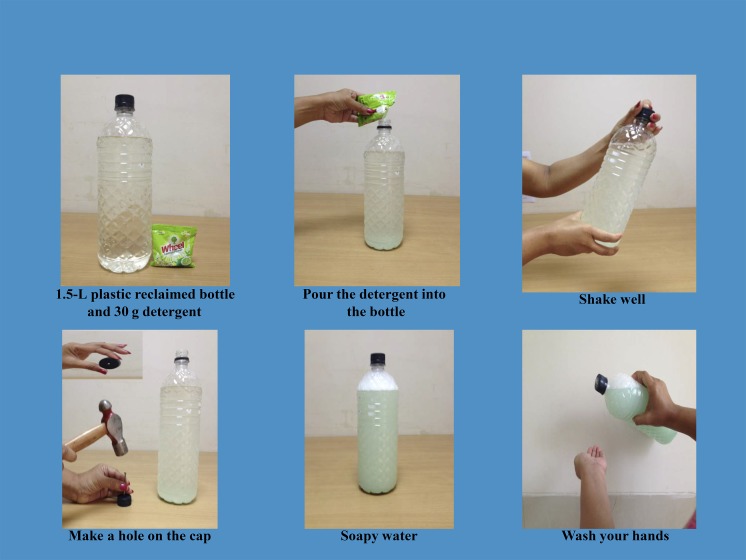
Handwashing with soap at key times is an effective means of reducing pathogen transmission. In a low-income community in urban Dhaka, we piloted and evaluated the acceptability and feasibility of a shared handwashing intervention. This included promotion by community health promoters of a homemade solution of detergent powder mixed with water and stored in a 1.5-L reclaimed mineral water bottle. Community health promoters encouraged sharing of the recurrent detergent cost among compound members. Of 152 participating compounds, fieldworkers randomly selected 60 for qualitative assessment. Fieldworkers conducted 30 in-depth interviews and five focus group discussions among purposively selected compound members. The reclaimed bottles served as an easily accessible dispenser for the soapy water, which could feasibly be retained next to the toilet and kitchen areas for communal use. Bottles functioned as a positive reminder for handwashing at recommended key times. Most compounds (45/60, 75%) shared a common soapy water system and its associated costs. There was reluctance to prepare soapy water for shared use in the remaining 25%. Soapy water was an acceptable hand cleaning agent, with the bottle as a feasible dispenser. It was simple in design, cost-effective, replicable, popular with intervention recipient, and neighboring nonrecipients, and commonly shared among nonrelated households. The need to share expenses and product preparation served as a barrier. Developing a sustainable maintenance system, therefore, is critical to ensuring the public health benefits of handwashing with soap.
在关键时间用肥皂洗手是减少病原体传播的有效手段。在达卡市的一个低收入社区,我们试点并评估了一种共享洗手干预措施的可接受性和可行性。这包括由社区卫生促进者推广一种由洗衣粉与水混合并储存在 1.5 升回收矿泉水瓶中的自制溶液。社区卫生促进者鼓励化合物成员共同分担不断增加的洗涤剂成本。在 152 个参与化合物中,现场工作人员随机选择了 60 个进行定性评估。现场工作人员在有目的选择的化合物成员中进行了 30 次深入访谈和 5 次焦点小组讨论。回收瓶可作为肥皂水溶液的便捷分配器,可方便地放在厕所和厨房附近供公共使用。瓶子可以作为提醒,在推荐的关键时间提醒人们洗手。大多数化合物(60 个中的 45 个,占 75%)共享一个共同的肥皂水溶液系统及其相关成本。仍有 25%的化合物不愿意为共享使用准备肥皂水溶液。肥皂水溶液是一种可接受的手部清洁剂,瓶子是一种可行的分配器。它的设计简单、具有成本效益、可复制、受到干预接受者和邻近非接受者的欢迎,并且通常在非相关家庭中共享。需要分担费用和产品准备工作是一个障碍。因此,开发可持续的维护系统对于确保用肥皂洗手的公共卫生效益至关重要。