Ruzicka Daniel J, Imai Kentaro, Takahashi Kenichi, Naito Toshio
Medical Affairs, MSD K.K., Tokyo, Japan.
Oncology Clinical Development, Merck & Co., Inc., Kenilworth, New Jersey, USA.
BMJ Open. 2018 Jun 14;8(6):e019985. doi: 10.1136/bmjopen-2017-019985.
To investigate the prevalence of chronic comorbidities and the use of comedications in people living with HIV (PLWH) and on antiretrovirals in Japan, by using a hospital claims database.
Observational, retrospective, cross-sectional study.
A hospital claims database of Japanese hospitals that have advanced medical treatment capabilities (ie, advanced treatment hospitals, general hospitals, acute care hospitals), which include those providing acute and chronic care (excluding nursing homes or hospices).
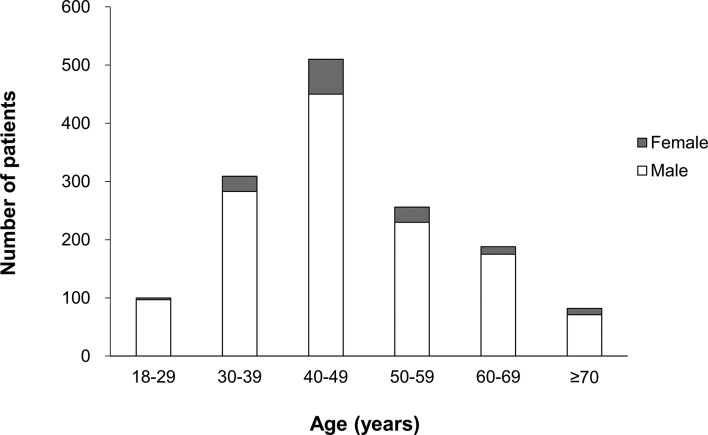
A total of 1445 PLWH aged ≥18 years and with a prescription record of antiretrovirals between January 2010 and December 2015 were identified from the database.
The number and types of chronic comorbidities, as well as the number and types of comedications, in different age groups of the PLWH.
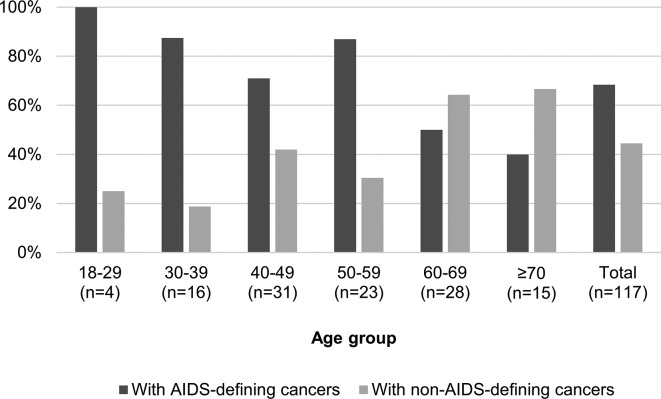
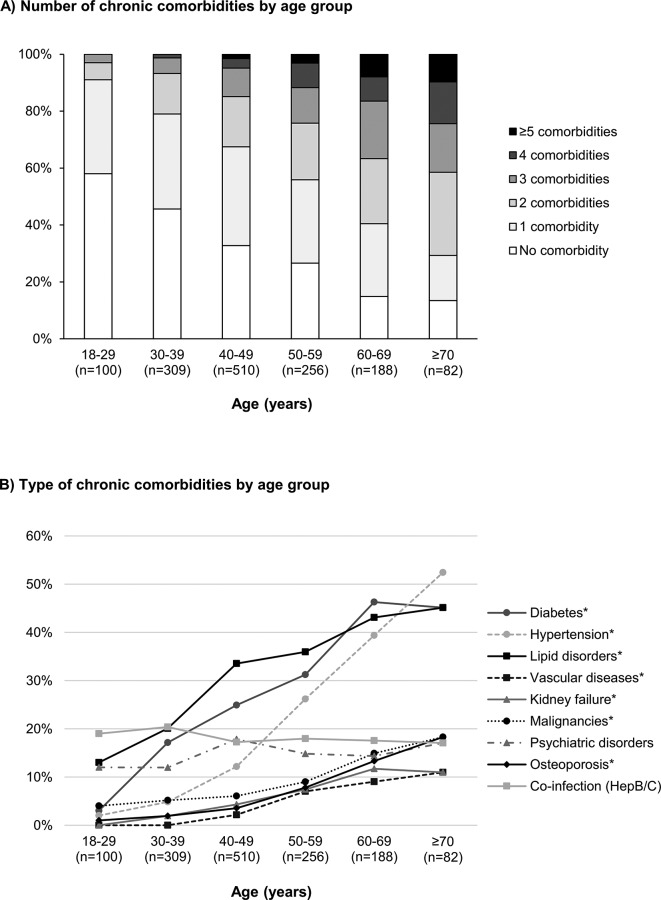
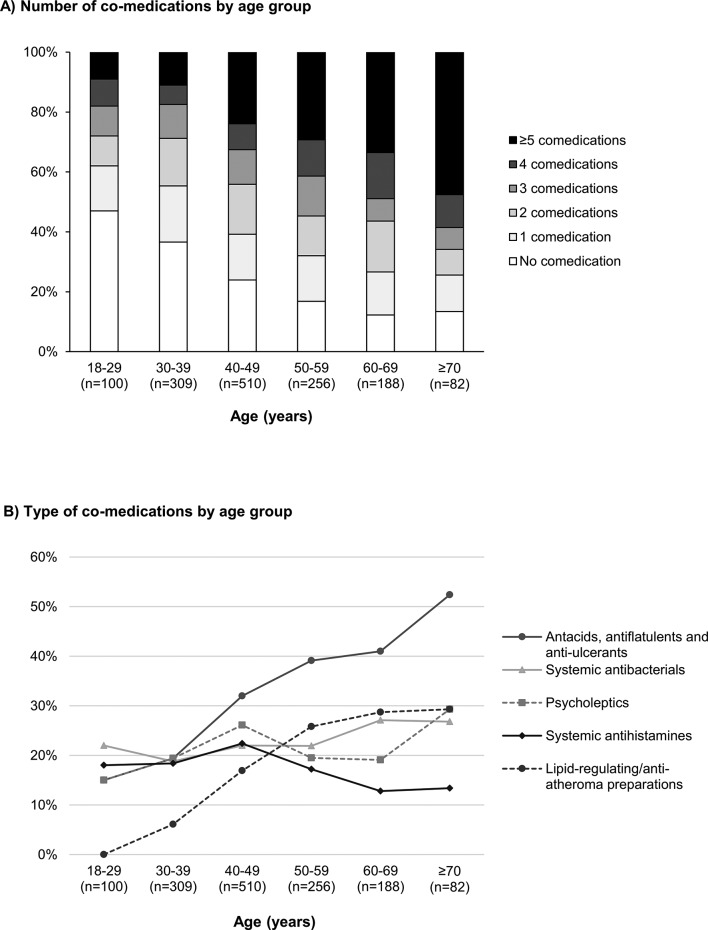
The median (range) age of patients was 45 (18-90) years, and 90.4% were men. Of the 1445 patients, 972 (67.3%) had at least one chronic comorbidity. Common chronic comorbidities included lipid disorders (31.6%), diabetes (26.8%), hypertension (18.2%) and hepatitis B/C coinfection (18.2%). Patients in the older age groups had greater numbers of chronic comorbidities. The most common chronic comorbidities in the older age groups were hypertension, diabetes and lipid disorders. The majority of patients used at least one comedication, and those in the older age groups used greater numbers of comedications. The most common therapeutic category of comedication included antacids, antiflatulents and antiulcerants (31.7%). Of 151 malignancies reported in 117 patients, 84 were AIDS-defining cancers and 67 were non-AIDS-defining cancers.
Chronic comorbidities and comedications were common among PLWH in Japan taking antiretrovirals; particularly among older patients, who more frequently used comedications. This suggests the need for giving special attention to the appropriate management of this patient population.
利用医院理赔数据库,调查日本接受抗逆转录病毒治疗的艾滋病毒感染者(PLWH)中慢性合并症的患病率以及合并用药情况。
观察性、回顾性横断面研究。
选取具有先进医疗能力的日本医院(即高级治疗医院、综合医院、急症医院)的医院理赔数据库,其中包括提供急性和慢性护理的医院(不包括疗养院或临终关怀医院)。
从数据库中识别出2010年1月至2015年12月期间年龄≥18岁且有抗逆转录病毒药物处方记录的1445例PLWH。
PLWH不同年龄组中慢性合并症的数量和类型,以及合并用药的数量和类型。
患者的年龄中位数(范围)为45(18 - 90)岁,男性占90.4%。在1445例患者中,972例(67.3%)至少有一种慢性合并症。常见的慢性合并症包括血脂异常(31.6%)、糖尿病(26.8%)、高血压(18.2%)和乙肝/丙肝合并感染(18.2%)。年龄较大的患者组慢性合并症数量更多。年龄较大患者组中最常见的慢性合并症是高血压、糖尿病和血脂异常。大多数患者至少使用一种合并用药,年龄较大的患者组使用的合并用药数量更多。最常见的合并用药治疗类别包括抗酸剂、消胀剂和抗溃疡药(31.7%)。在117例患者报告的151例恶性肿瘤中,84例为艾滋病相关定义癌症,67例为非艾滋病相关定义癌症。
在日本接受抗逆转录病毒治疗的PLWH中,慢性合并症和合并用药情况较为常见;尤其是在老年患者中,他们更频繁地使用合并用药。这表明需要特别关注对这一患者群体的适当管理。