Department of Biomedical Engineering, Case Western Reserve University, USA.
Department of Marcomolecular Science and Engineering, Case Western Reserve University, USA.
J Control Release. 2018 Aug 28;284:112-121. doi: 10.1016/j.jconrel.2018.05.037. Epub 2018 Jun 12.
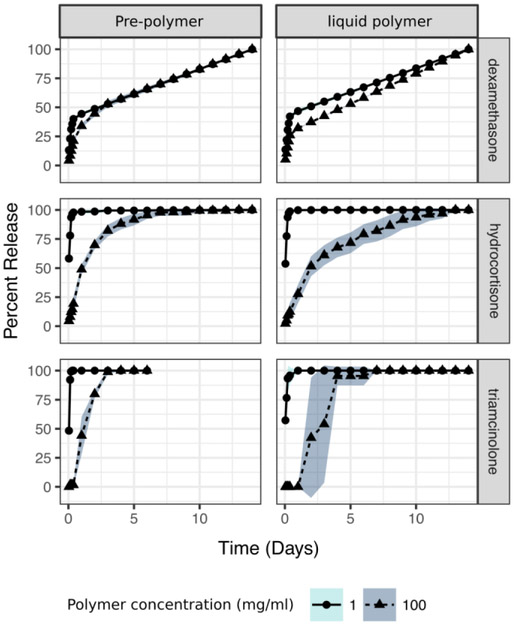
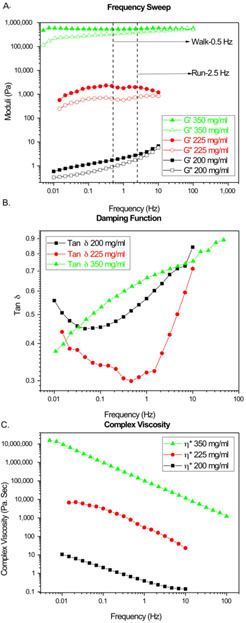
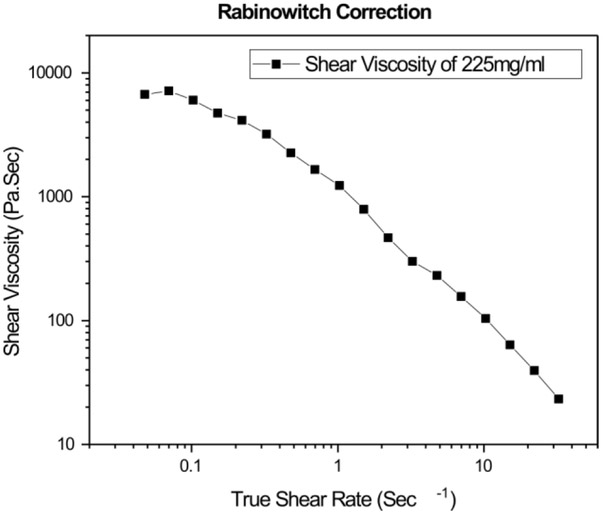
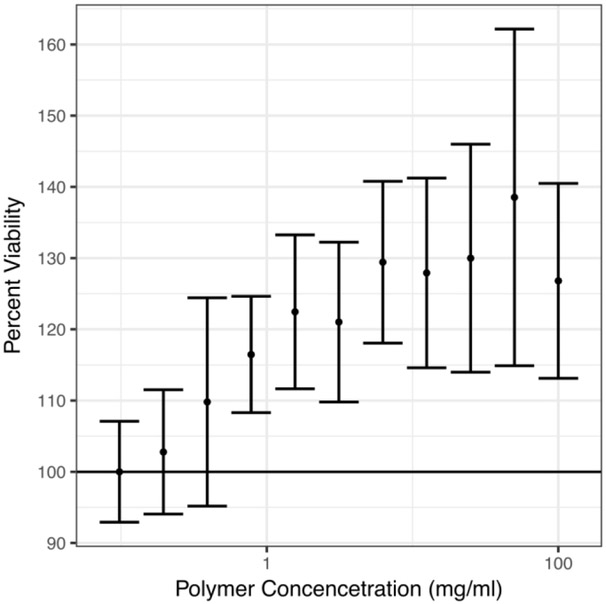
Drug delivery strategies generally use inert materials, such as high molecular weight polymers, to encapsulate and control the release rate of therapeutic drugs. Diffusion governs release and depends on the ease of permeation of the polymer alongside the device thickness. Yet in applications such as osteoarthritis, the physiological constraints and limited intra-articular joint space prevent the use of large, solid drug delivery implants. Other investigators have explored the use of micro- and nanoparticle drug delivery systems. However, the small size of the systems limits the total drug that may be encapsulated and its short diffusion distance causes rapid release. Ordinarily, the extremely low diffusivity of a polymer fluid would make this an unsuitable delivery system. Our technology takes advantage of specific molecular interactions between drug and polymer, which can control the rate of release beyond diffusion. With this "affinity-based drug delivery", we have shown that delivery rates from solid polymer can be prolonged from hours and days, to weeks and months. In this paper, we demonstrate that this affinity-based mechanism also applies to low diffusivity fluid-phase polymers. They show release rates that are substantially slower than chemically similar polymers incapable of forming those inclusion complexes. The similarity of this study's liquid polymers to the viscoelastic fluids used in current clinical practice makes it an ample delivery system for osteoarthritic application. We confirmed the capacity of anti-inflammatory delivery of corticosteroids: hydrocortisone, triamcinolone, and dexamethasone; from both solid implants and polymer fluids. Further, we demonstrated that viscoelastic properties are widely tunable, and within the range of native synovial fluid. Lastly, we determined these polymer fluids have no impact on the differentiation of mesenchymal stem cells to cartilage and are not cytotoxic to a common cell line.
药物输送策略通常使用惰性材料,如高分子量聚合物,来封装和控制治疗药物的释放速率。扩散控制着释放,这取决于聚合物与设备厚度一起的渗透容易程度。然而,在骨关节炎等应用中,生理限制和关节内有限的空间阻止了大尺寸、固体药物输送植入物的使用。其他研究人员探索了使用微纳米颗粒药物输送系统。然而,系统的小尺寸限制了可封装的总药物及其短扩散距离导致快速释放。通常,聚合物流体的极低扩散率会使其成为不合适的输送系统。我们的技术利用药物和聚合物之间的特定分子相互作用,这种相互作用可以控制释放速度,超越扩散。通过这种“基于亲和力的药物输送”,我们已经表明,固体聚合物的输送速率可以从数小时和数天延长至数周和数月。在本文中,我们证明了这种基于亲和力的机制也适用于低扩散率的流体相聚合物。它们显示的释放速率比不能形成这些包合物的化学相似聚合物慢得多。这项研究中的液体聚合物与当前临床实践中使用的粘弹性流体相似,使其成为骨关节炎应用的充足输送系统。我们证实了皮质类固醇类药物(氢化可的松、曲安奈德和地塞米松)的抗炎输送能力:从固体植入物和聚合物流体中都可以输送。此外,我们证明了粘弹性性质具有广泛的可调性,并且在天然滑液的范围内。最后,我们确定这些聚合物流体对间充质干细胞向软骨的分化没有影响,并且对常见细胞系没有细胞毒性。