Department of Medicine, Perelman School of Medicine, University of Pennsylvania, Philadelphia, PA.
Am J Kidney Dis. 2019 Feb;73(2):240-247. doi: 10.1053/j.ajkd.2018.04.005. Epub 2018 Jun 19.
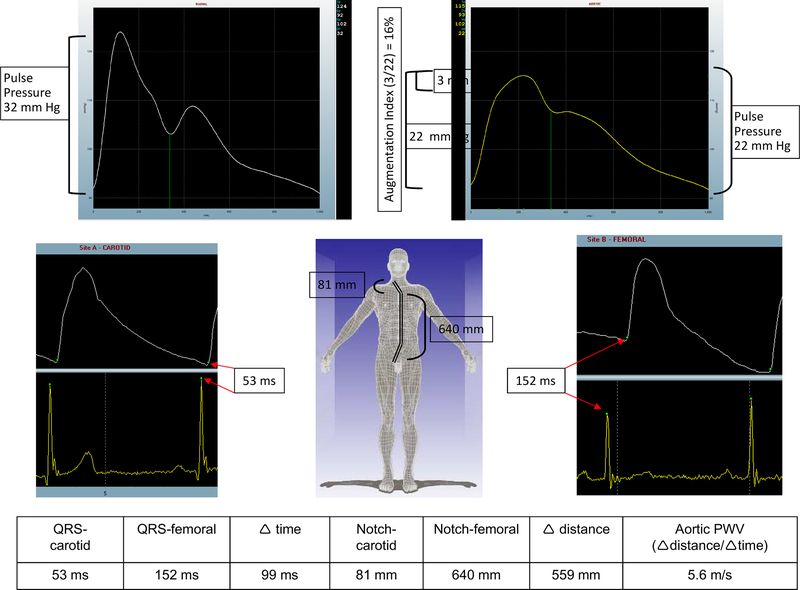
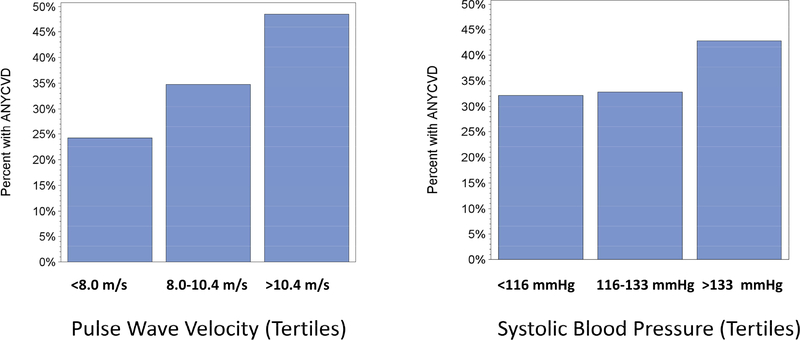
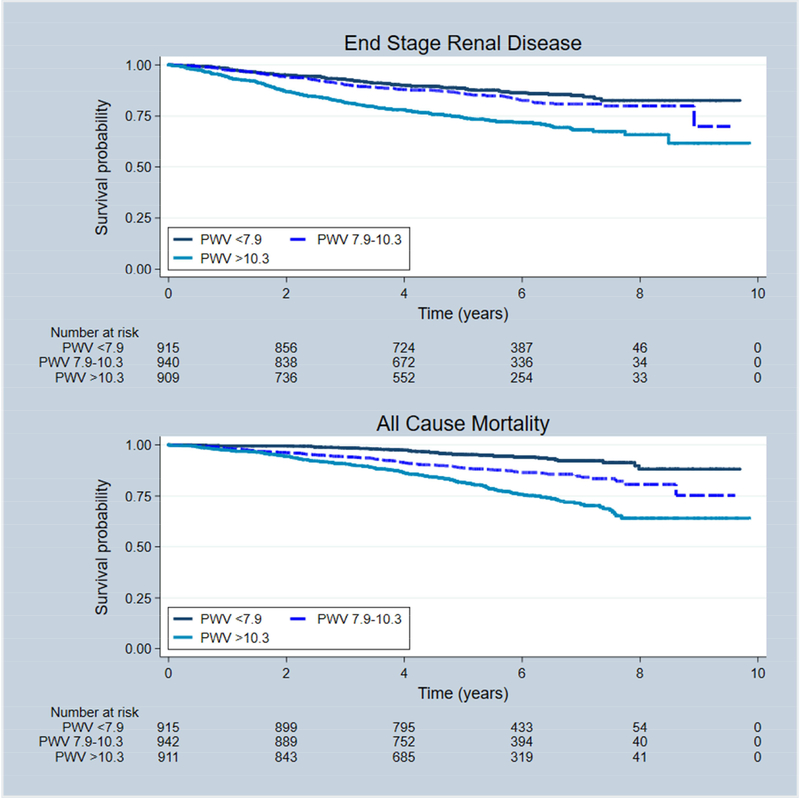
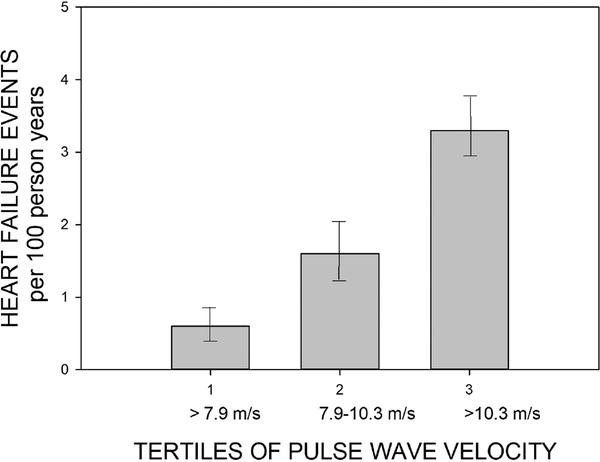
This narrative review summarizes a decade of experience examining the cross-sectional and longitudinal relationships of arterial stiffness, as assessed using carotid-femoral pulse wave velocity, with outcomes in patients with chronic kidney disease enrolled in the Chronic Renal Insufficiency Cohort. Our goal is to review the importance of the pulse wave contour and pulse wave velocity and present data on the reproducibility of pulse wave velocity measurements, determinants of pulse wave velocity, and the relationship that velocity measurements have with longitudinal kidney and cardiovascular outcomes. Measures of arterial stiffness have contributed substantially to our understanding of mechanisms of cardiovascular disease, kidney disease progression, and all-cause mortality. Given the independent relationship of arterial stiffness to a variety of outcomes, it is our hope that future developments in behavioral, nutritional, and pharmacologic approaches to vascular destiffening will provide interventions that benefit patients with chronic kidney diseases.
本文对使用颈股脉搏波速度评估的动脉僵硬度的横断面和纵向关系与慢性肾脏病患者的结局进行了综述,这些患者来自慢性肾功能不全队列。我们的目的是回顾脉搏波轮廓和脉搏波速度的重要性,并介绍脉搏波速度测量的可重复性、决定脉搏波速度的因素以及速度测量与纵向肾脏和心血管结局的关系。动脉僵硬度的测量大大促进了我们对心血管疾病、肾脏病进展和全因死亡率机制的理解。鉴于动脉僵硬度与多种结局的独立关系,我们希望未来在行为、营养和血管软化的药理学方法方面的进展将为慢性肾脏病患者提供有益的干预措施。