Sun Yangying, Cai Xiaojun, Cao Jinxuan, Wu Zhen, Pan Daodong
Key Laboratory of Animal Protein Deep Processing Technology of Zhejiang Province, Ningbo University, Zhejiang, China.
Department of Food Science and Nutrition, Jinling College, Nanjing Normal University, Nanjing, China.
Front Microbiol. 2018 May 25;9:1078. doi: 10.3389/fmicb.2018.01078. eCollection 2018.
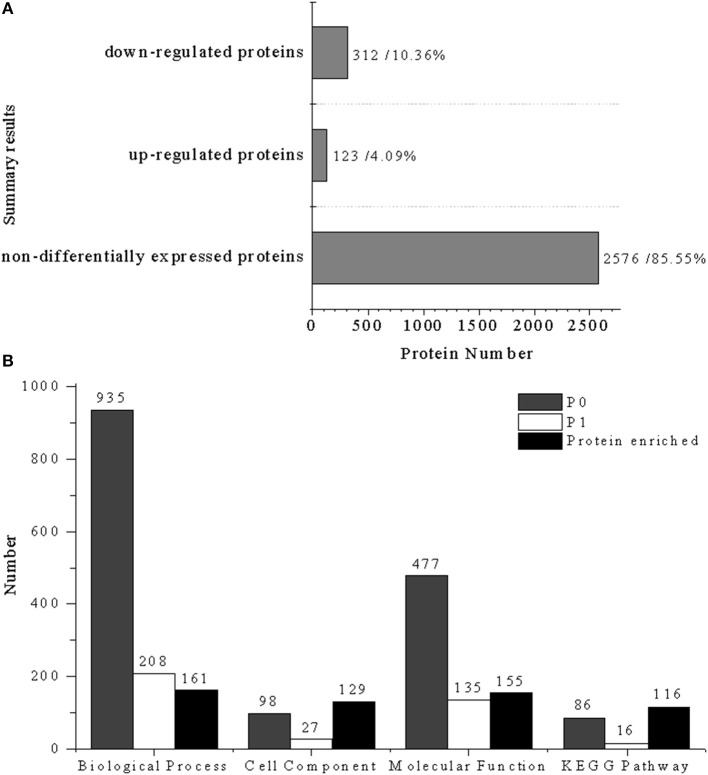
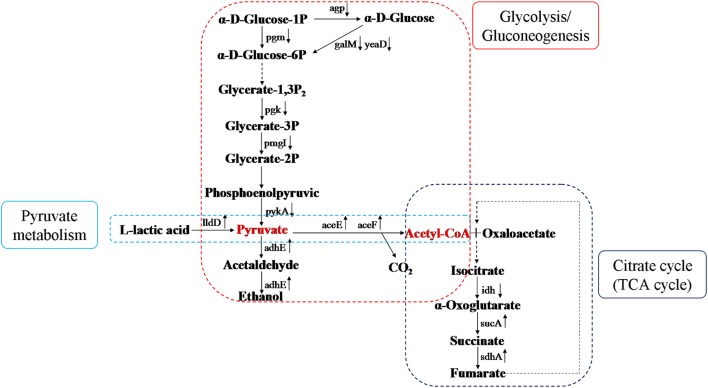
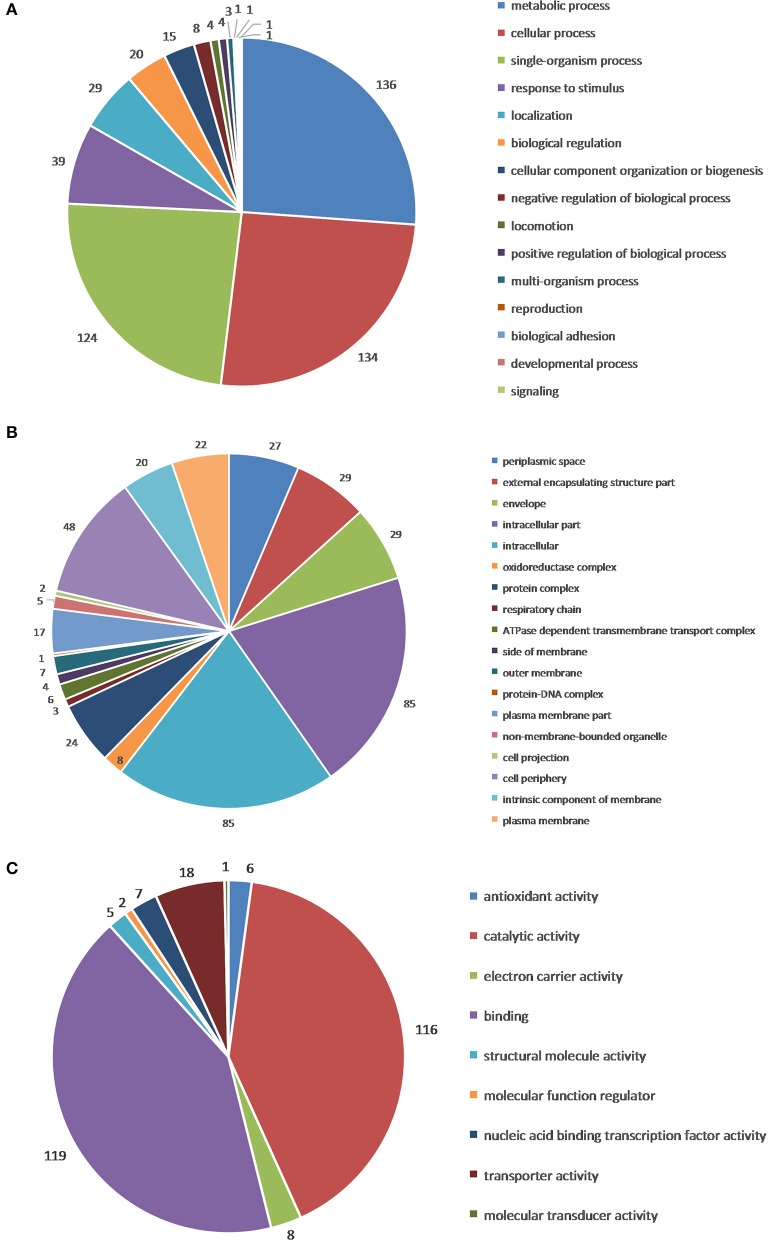
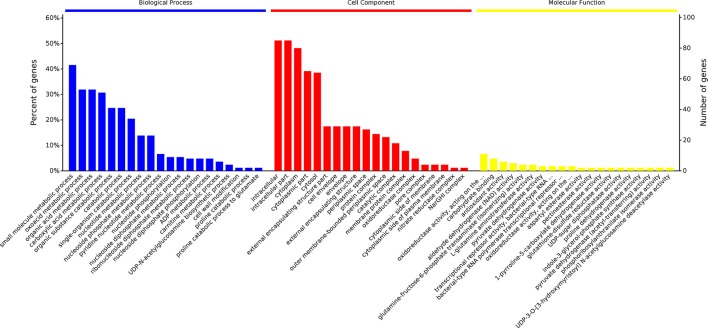
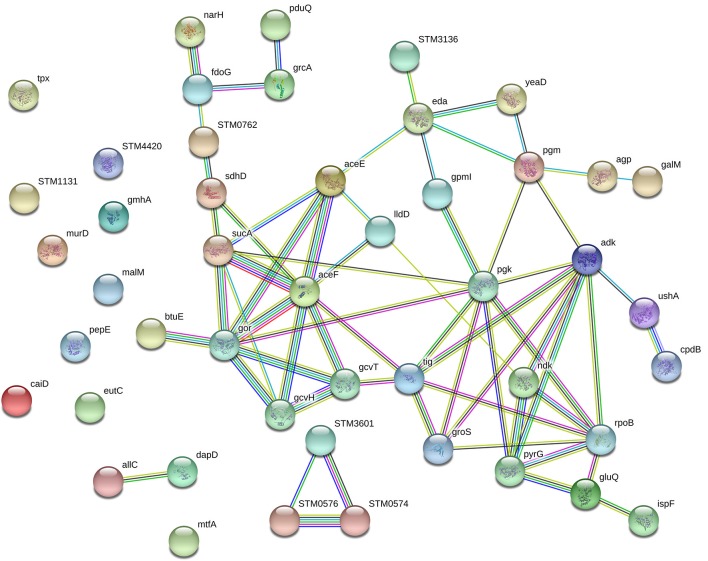
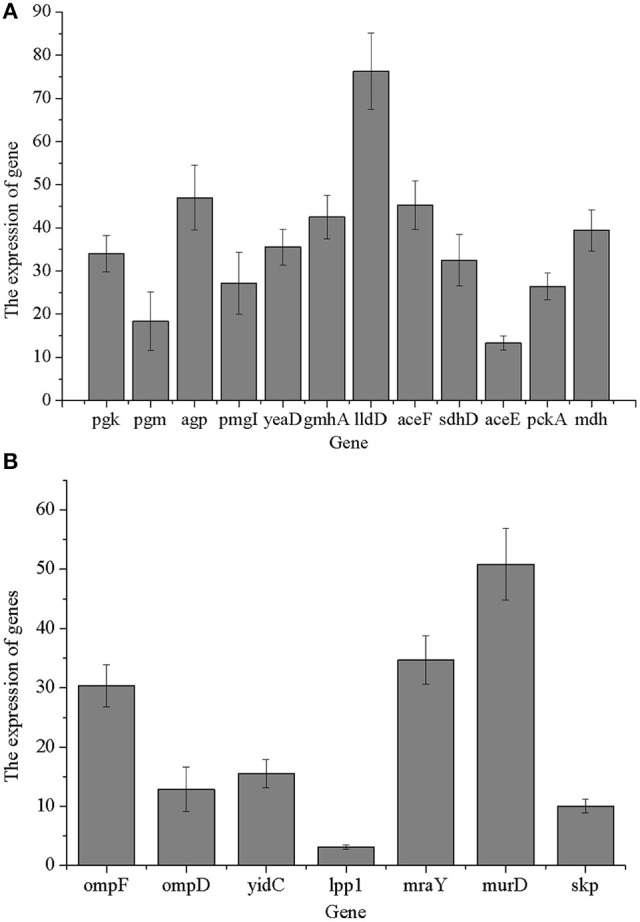
is gram-negative foodborne zoonotic bacteria which triggers disease in humans. Our previous studies showed 1,8-cineole possessed remarkable antimicrobial effects on foodborne zoonotic bacteria indicating it could serve as a new source of antibiotic for . Present study elucidated the antibacterial mechanism of 1,8-cineole by analyzing serum protein expressed by following treatment with 1,8-cineole (0.25 mg/mL, 3 h) using isobaric tags for relative and absolute quantification (iTRAQ) with two-dimensional liquid chromatography/tandem mass spectrometry (2D-LC-MS/MS). 1,8-cineole was found to significantly damage the structure of cell walls and membranes. A total of 3011 proteins were extracted from the experimental group, of which 435 were differentially expressed (1.5-fold) with 123 upregulated and 312 downregulated. The expressed proteins were involved in 935 intracellular biological processes, 98 cellular components, 477 molecular functions and 86 Kyoto Encyclopedia of Genes and Genomes (KEGG) pathways. Among them, proteins associated with carbohydrate, nucleotide, amino acid, lipid, and energy metabolism were significantly changed following treatment with 1,8-cineole. Carbohydrate metabolism and membrane protein-related genes was down-regulated at the mRNA level when was treated with 1,8-cineole. 1,8-cineole may be a potential antibiotic for infections.
是一种革兰氏阴性食源性人畜共患病细菌,可引发人类疾病。我们之前的研究表明,1,8-桉叶素对食源性人畜共患病细菌具有显著的抗菌作用,表明它可作为一种新的抗生素来源。本研究通过使用相对和绝对定量等压标签(iTRAQ)结合二维液相色谱/串联质谱(2D-LC-MS/MS)分析1,8-桉叶素(0.25 mg/mL,3小时)处理后的血清蛋白,阐明了1,8-桉叶素的抗菌机制。发现1,8-桉叶素会显著破坏细胞壁和细胞膜的结构。从实验组中总共提取了3011种蛋白质,其中435种差异表达(1.5倍),123种上调,312种下调。这些表达的蛋白质涉及935个细胞内生物学过程、98个细胞成分、477个分子功能和86条京都基因与基因组百科全书(KEGG)途径。其中,1,8-桉叶素处理后,与碳水化合物、核苷酸、氨基酸、脂质和能量代谢相关的蛋白质发生了显著变化。当用1,8-桉叶素处理时,碳水化合物代谢和膜蛋白相关基因在mRNA水平下调。1,8-桉叶素可能是治疗感染的潜在抗生素。