Biobehavioral Health Department, Pennsylvania State University, University Park, Pennsylvania, United States of America.
Department of Animal Science, Pennsylvania State University, University Park, Pennsylvania, United States of America.
PLoS One. 2018 Jun 18;13(6):e0198935. doi: 10.1371/journal.pone.0198935. eCollection 2018.
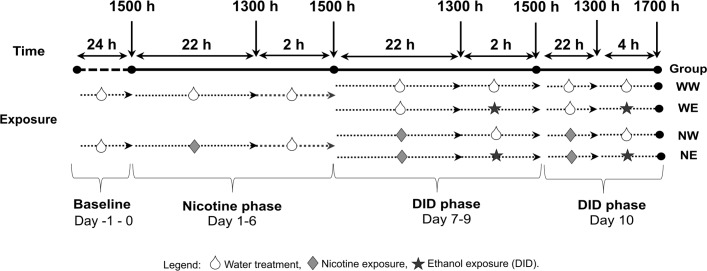
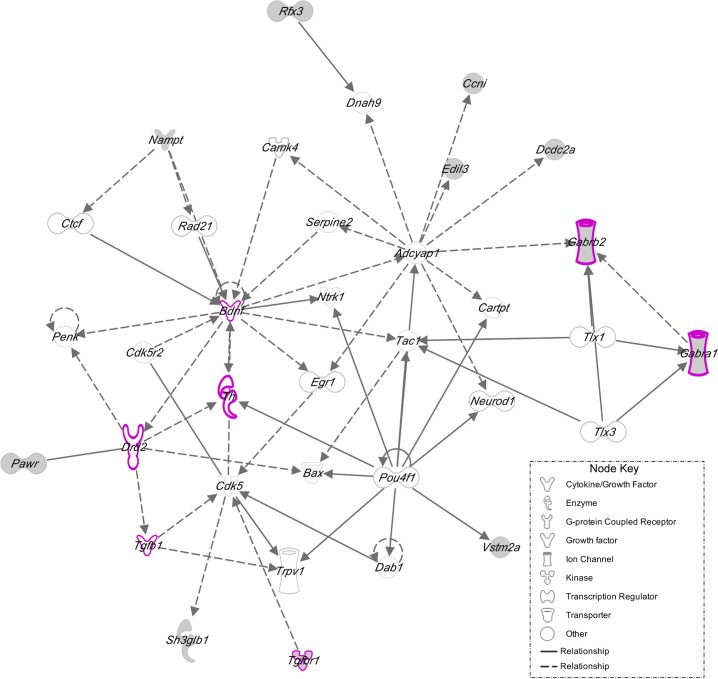
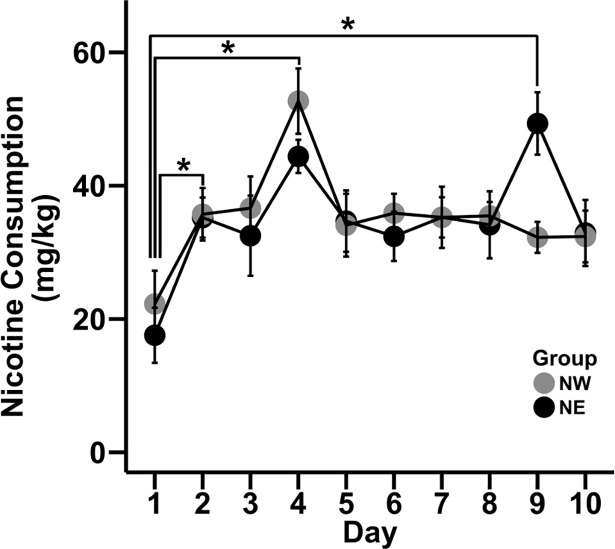
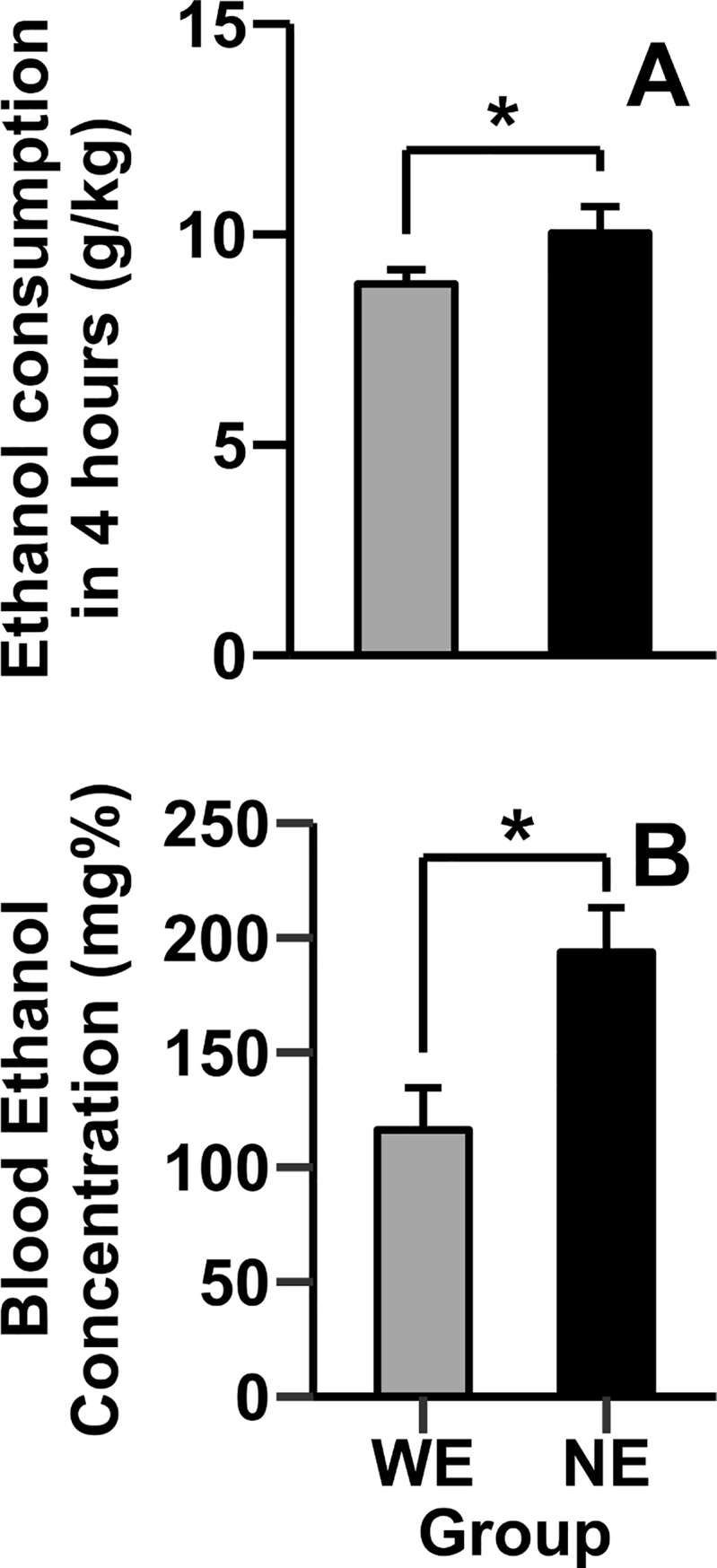
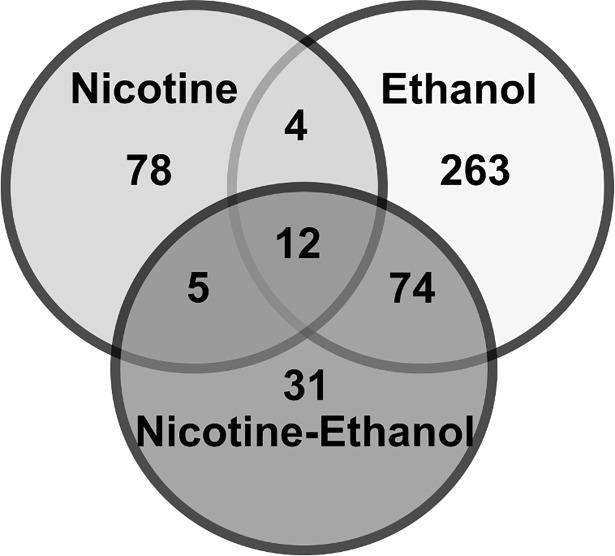
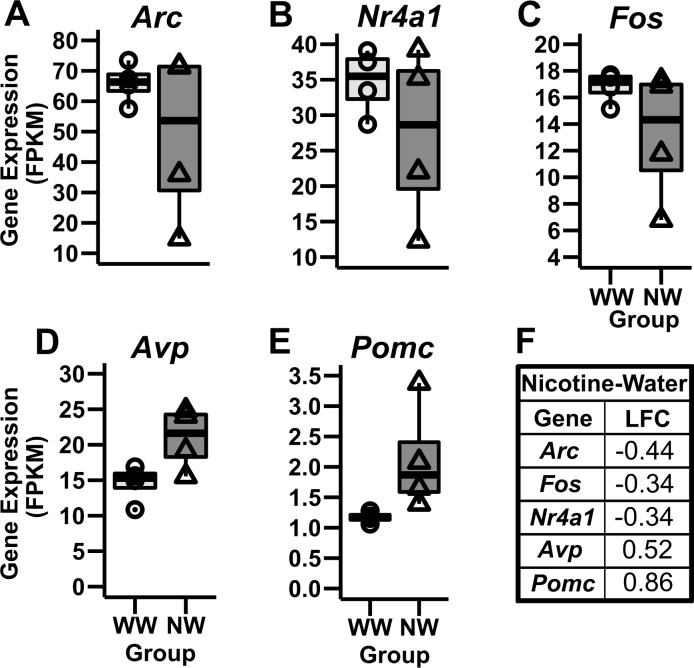
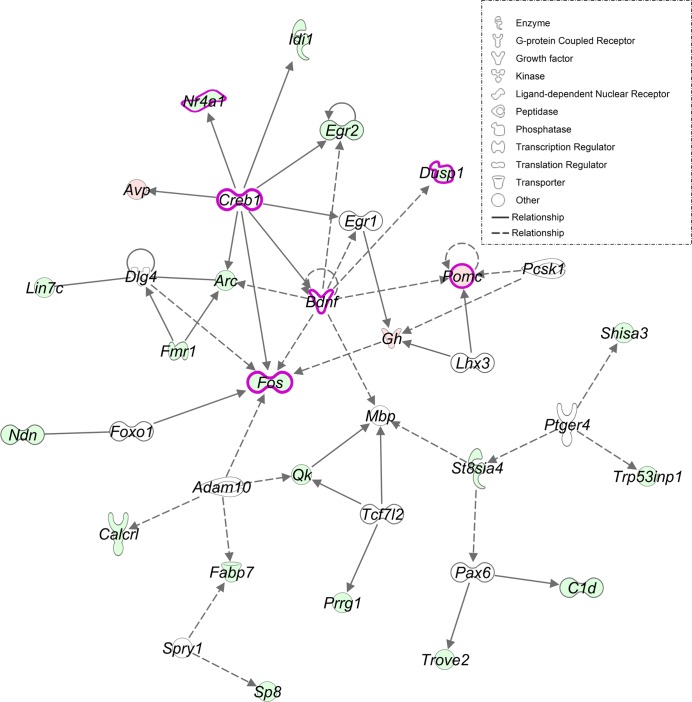
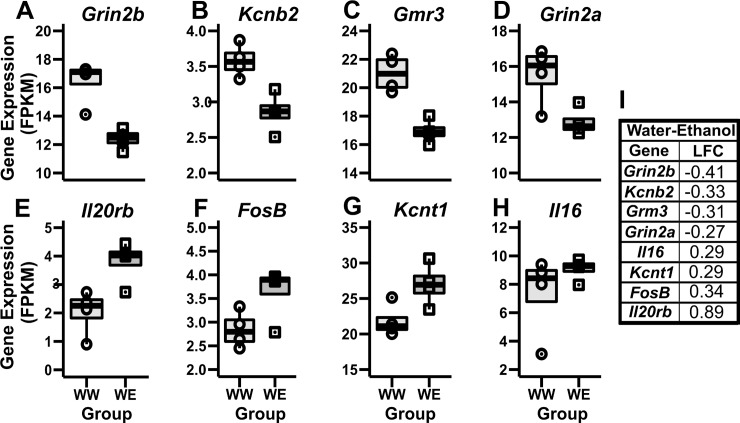
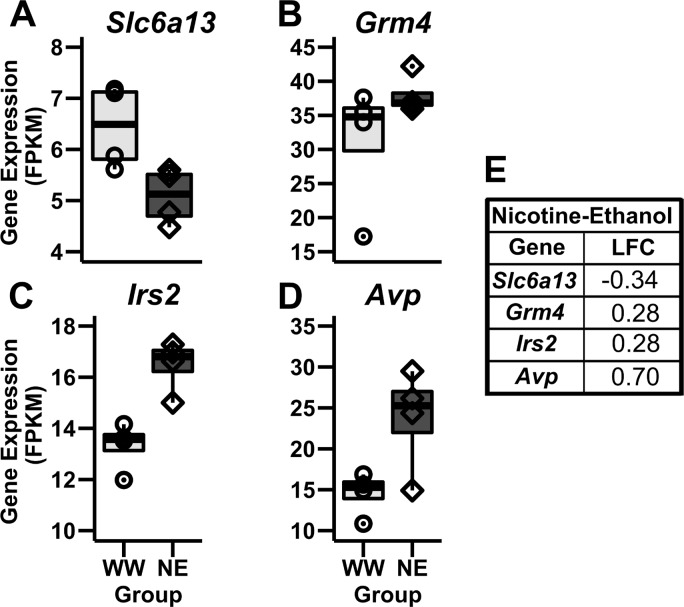
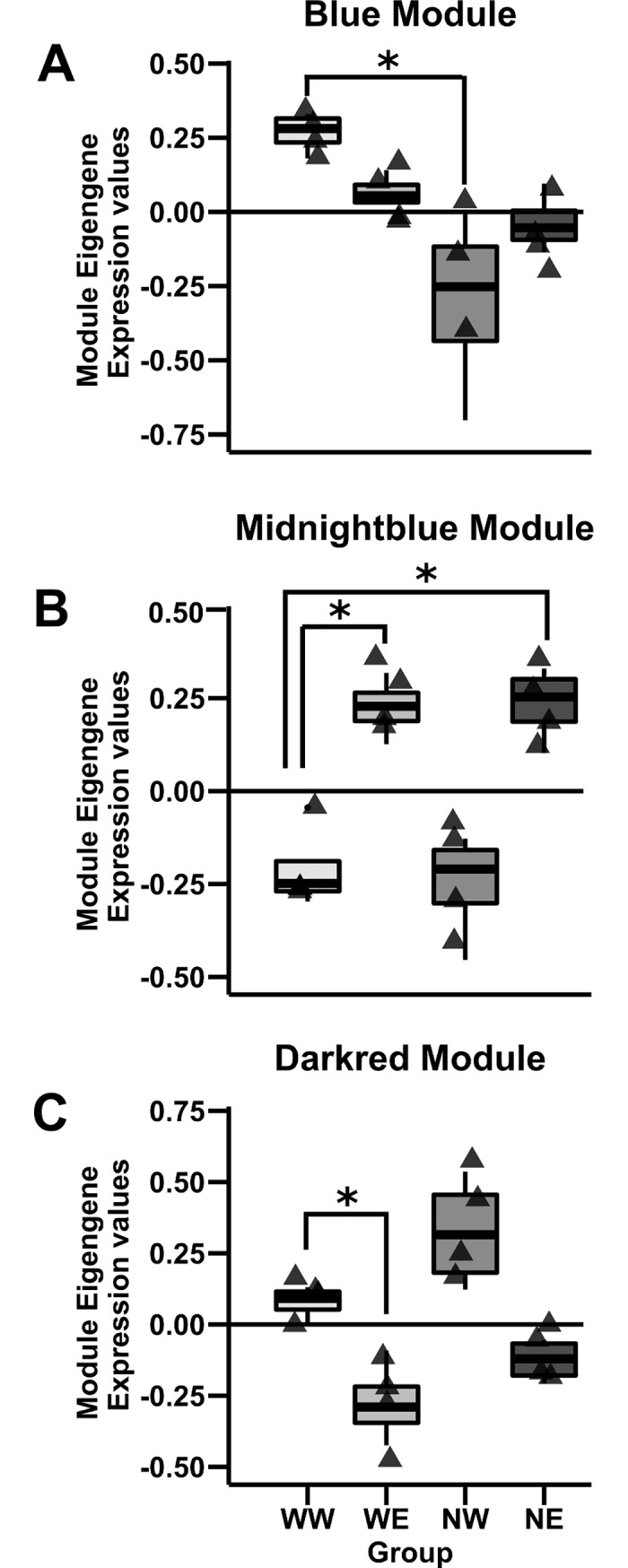
Nicotine and alcohol are often co-abused. Adolescence is a vulnerable period for the initiation of both nicotine and alcohol use, which can lead to subsequent neurodevelopmental and behavioral alterations. It is possible that during this vulnerable period, use of one drug leads to neurobiological alterations that affect subsequent consumption of the other drug. The aim of the present study was to determine the effect of nicotine exposure during adolescence on ethanol intake, and the effect of these substances on brain gene expression. Forty-three adolescent female C57BL/6J mice were assigned to four groups. In the first phase of the experiment, adolescent mice (PND 36-41 days) were exposed to three bottles filled with water or nicotine (200 μg/ml) for 22 h a day and a single bottle of water 2 h a day for six days. In the second phase (PND 42-45 days), the 4-day Drinking-in-the-Dark paradigm consisting of access to 20% v/v ethanol or water for 2h or 4h (the last day) was overlaid during the time when the mice did not have nicotine available. Ethanol consumption (g/kg) and blood ethanol concentrations (BEC, mg %) were measured on the final day and whole brains including the cerebellum, were dissected for RNA sequencing. Differentially expressed genes (DEG) were detected with CuffDiff and gene networks were built using WGCNA. Prior nicotine exposure increased ethanol consumption and resulting BEC. Significant DEG and biological pathways found in the group exposed to both nicotine and ethanol included genes important in stress-related neuropeptide signaling, hypothalamic-pituitary-adrenal (HPA) axis activity, glutamate release, GABA signaling, and dopamine release. These results replicate our earlier findings that nicotine exposure during adolescence increases ethanol consumption and extends this work by examining gene expression differences which could mediate these behavioral effects.
尼古丁和酒精经常同时滥用。青少年期是开始使用尼古丁和酒精的脆弱时期,这可能导致随后的神经发育和行为改变。在这个脆弱时期,使用一种药物可能导致影响随后另一种药物消费的神经生物学改变。本研究的目的是确定青春期暴露于尼古丁对乙醇摄入的影响,以及这些物质对大脑基因表达的影响。43 只青春期雌性 C57BL/6J 小鼠被分配到四个组。在实验的第一阶段,青春期小鼠(PND36-41 天)每天暴露于三个装满水或尼古丁(200μg/ml)的瓶子中 22 小时,每天仅一瓶水 2 小时,持续六天。在第二阶段(PND42-45 天),叠加了为期四天的暗饮实验范式,即 20% v/v 乙醇或水的 2 小时或 4 小时(最后一天)的访问时间,在此期间,小鼠无法获得尼古丁。在最后一天测量乙醇消耗(g/kg)和血液乙醇浓度(BEC,mg%),并解剖包括小脑在内的整个大脑进行 RNA 测序。使用 CuffDiff 检测差异表达基因(DEG),并使用 WGCNA 构建基因网络。先前暴露于尼古丁增加了乙醇的消耗和随之而来的 BEC。在同时暴露于尼古丁和乙醇的组中发现的显著 DEG 和生物学途径包括在应激相关神经肽信号、下丘脑-垂体-肾上腺(HPA)轴活动、谷氨酸释放、GABA 信号和多巴胺释放中重要的基因。这些结果复制了我们之前的发现,即青春期暴露于尼古丁会增加乙醇的消耗,并通过检查可能介导这些行为影响的基因表达差异来扩展这项工作。