Kovacova Veronika, Zukal Jan, Bandouchova Hana, Botvinkin Alexander D, Harazim Markéta, Martínková Natália, Orlov Oleg L, Piacek Vladimir, Shumkina Alexandra P, Tiunov Mikhail P, Pikula Jiri
Department of Ecology and Diseases of Game, Fish and Bees, University of Veterinary and Pharmaceutical Sciences Brno, Palackého tř. 1946/1, 612 42, Brno, Czech Republic.
Institute of Vertebrate Biology of the Czech Academy of Sciences, v.v.i., Květná 8, 603 65, Brno, Czech Republic.
BMC Vet Res. 2018 Jun 18;14(1):192. doi: 10.1186/s12917-018-1521-1.
Spatiotemporal distribution patterns are important infectious disease epidemiological characteristics that improve our understanding of wild animal population health. The skin infection caused by the fungus Pseudogymnoascus destructans emerged as a panzootic disease in bats of the northern hemisphere. However, the infection status of bats over an extensive geographic area of the Russian Federation has remained understudied.
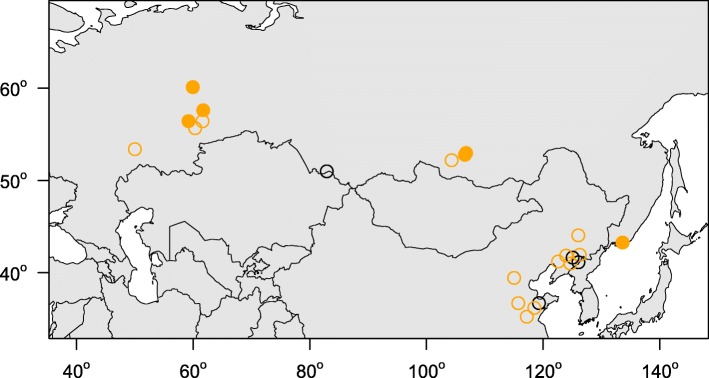
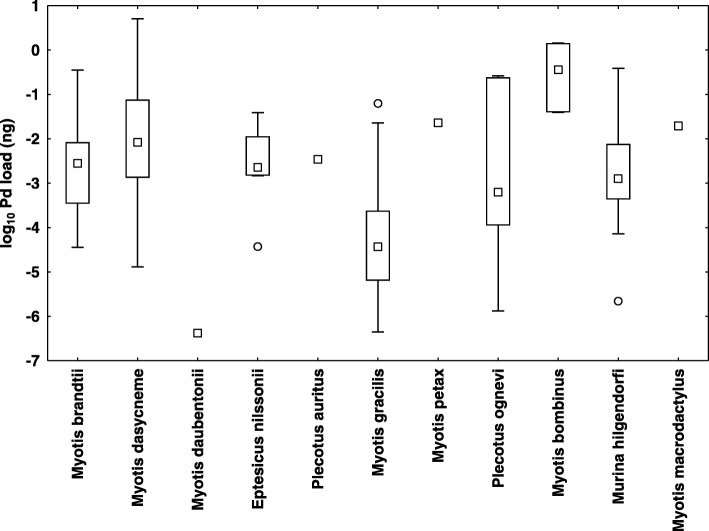
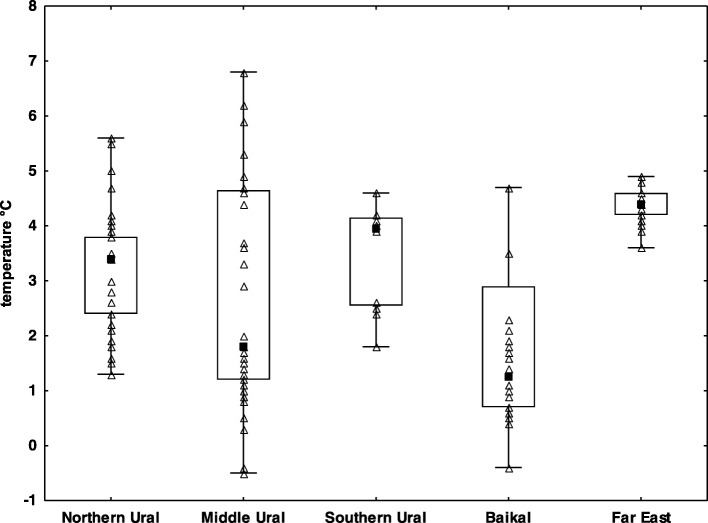
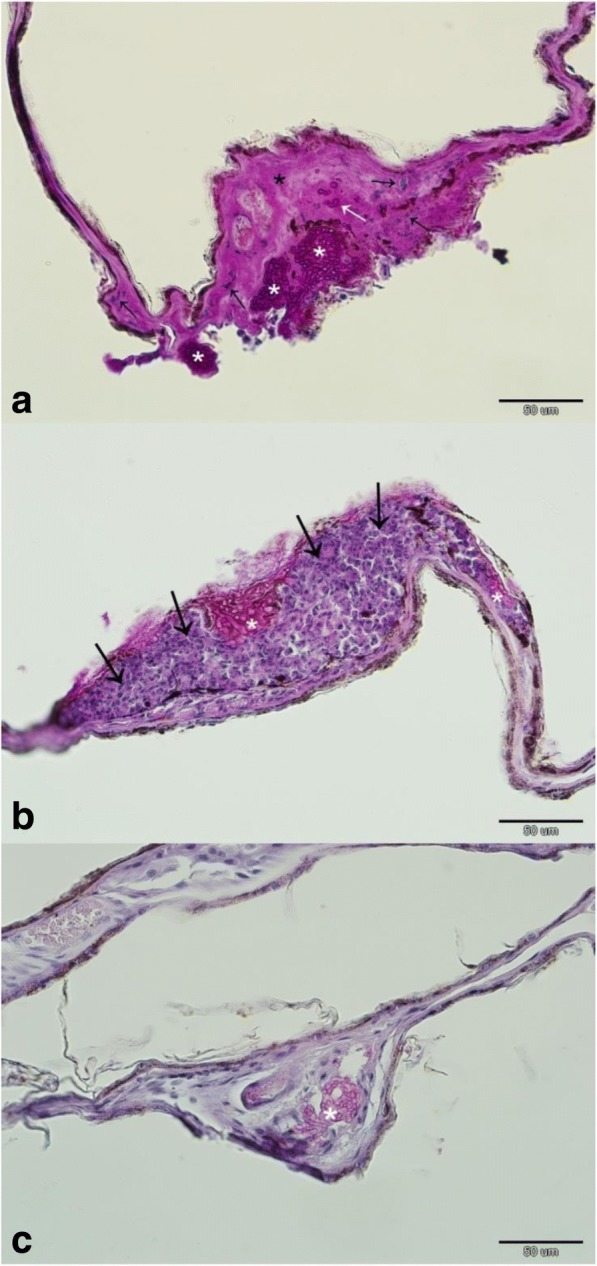
We examined bats at the geographic limits of bat hibernation in the Palearctic temperate zone and found bats with white-nose syndrome (WNS) on the European slopes of the Ural Mountains through the Western Siberian Plain, Central Siberia and on to the Far East. We identified the diagnostic symptoms of WNS based on histopathology in the Northern Ural region at 11° (about 1200 km) higher latitude than the current northern limit in the Nearctic. While body surface temperature differed between regions, bats at all study sites hibernated in very cold conditions averaging 3.6 °C. Each region also differed in P. destructans fungal load and the number of UV fluorescent skin lesions indicating skin damage intensity. Myotis bombinus, M. gracilis and Murina hilgendorfi were newly confirmed with histopathological symptoms of WNS. Prevalence of UV-documented WNS ranged between 16 and 76% in species of relevant sample size.
To conclude, the bat pathogen P. destructans is widely present in Russian hibernacula but infection remains at low intensity, despite the high exposure rate.
时空分布模式是重要的传染病流行病学特征,有助于我们了解野生动物种群健康状况。由毁灭拟裸球壳菌引起的皮肤感染已成为北半球蝙蝠中的一种大流行病。然而,俄罗斯联邦广大地理区域内蝙蝠的感染状况仍未得到充分研究。
我们在古北温带蝙蝠冬眠的地理边界对蝙蝠进行了检查,发现从乌拉尔山脉的欧洲山坡,穿过西西伯利亚平原、中西伯利亚,一直到远东地区,都有感染白鼻综合征(WNS)的蝙蝠。我们在北乌拉尔地区通过组织病理学确定了WNS的诊断症状,该地区的纬度比近北极地区目前的北界高11°(约1200公里)。虽然不同地区的体表温度有所不同,但所有研究地点的蝙蝠都在平均3.6°C的非常寒冷的条件下冬眠。每个地区在毁灭拟裸球壳菌的真菌载量以及表明皮肤损伤强度的紫外线荧光皮肤病变数量方面也存在差异。黄斑鼠耳蝠、纤瘦鼠耳蝠和棕鼩鼱被新确诊有WNS的组织病理学症状。在有相关样本量的物种中,紫外线记录的WNS患病率在16%至76%之间。
总之,蝙蝠病原体毁灭拟裸球壳菌在俄罗斯的冬眠场所广泛存在,但尽管暴露率很高,感染强度仍然较低。