Unit of Polar Genomics, Korea Polar Research Institute, Incheon, South Korea.
Department of Life Sciences, Sogang University, Seoul, South Korea.
PLoS One. 2018 Jun 19;13(6):e0199356. doi: 10.1371/journal.pone.0199356. eCollection 2018.
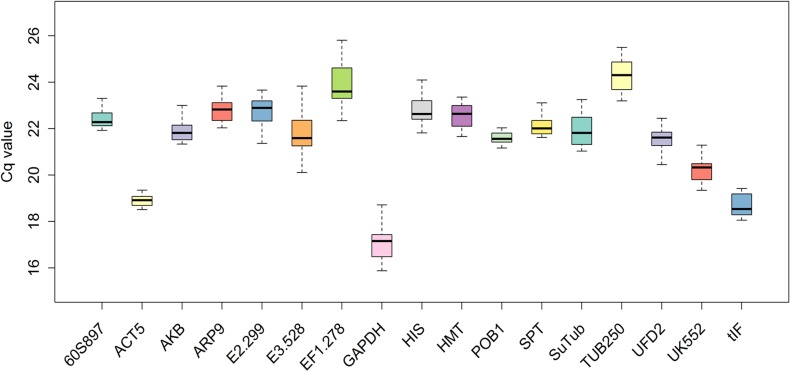
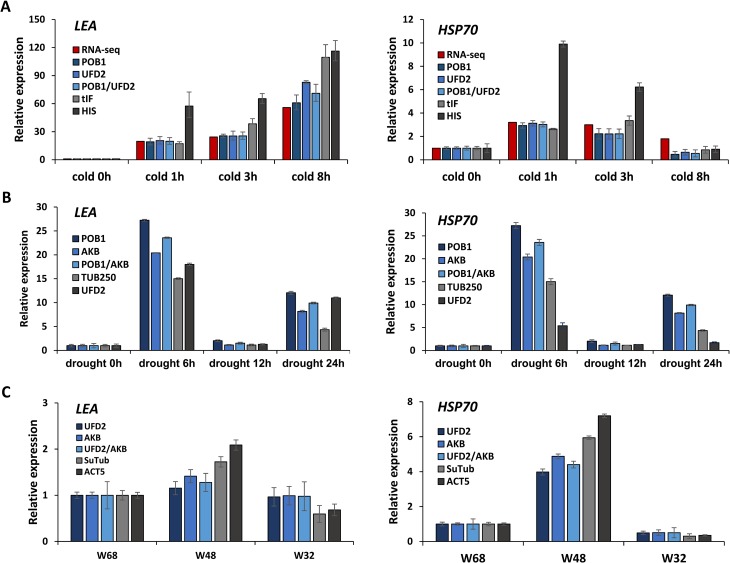
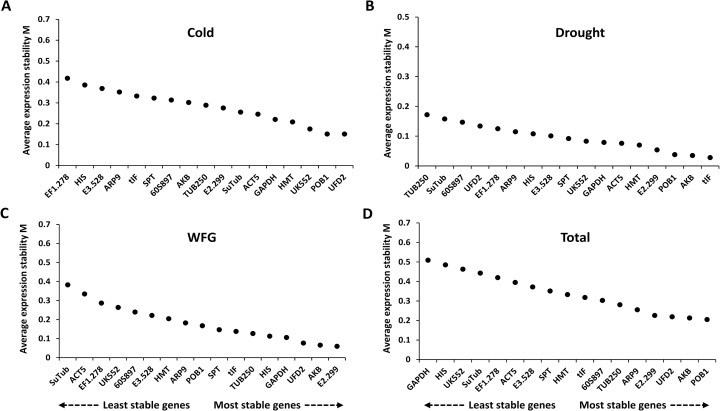
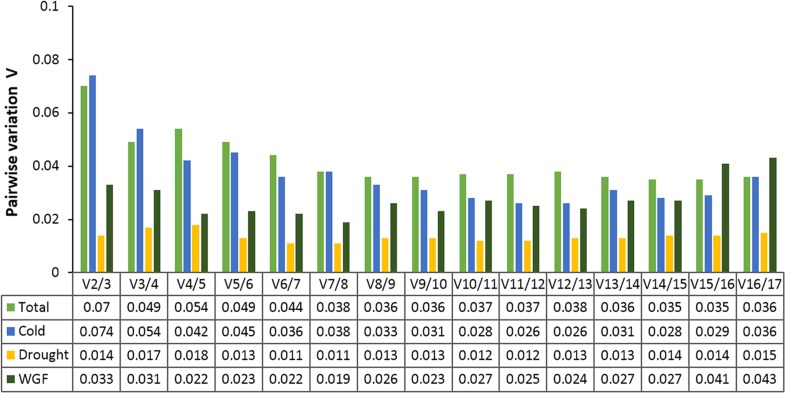
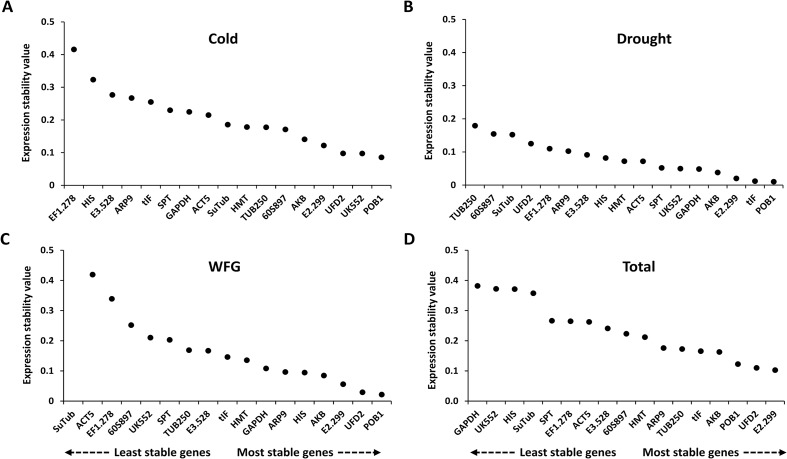
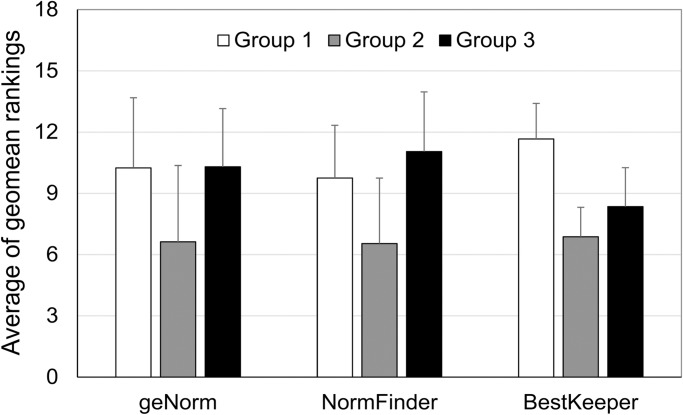
Sanionia uncinata is a dominant moss species in the maritime Antarctic. Due to its high adaptability to harsh environments, this extremophile plant has been considered a good target for studying the molecular adaptation mechanisms of plants to a variety of environmental stresses. Despite the importance of S. uncinata as a representative Antarctic plant species for the identification and characterization of genes associated with abiotic stress tolerance, suitable reference genes, which are critical for RT-qPCR analyses, have not yet been identified. In this report, 11 traditionally used and 6 novel candidate reference genes were selected from transcriptome data of S. uncinata and the expression stability of these genes was evaluated under various abiotic stress conditions using three statistical algorithms; geNorm, NormFinder, and BestKeeper. The stability ranking analysis selected the best reference genes depending on the stress conditions. Among the 17 candidates, the most stable references were POB1 and UFD2 for cold stress, POB1 and AKB for drought treatment, and UFD2 and AKB for the field samples from a different water contents in Antarctica. Overall, novel genes POB1 and AKB were the most reliable references across all samples, irrespective of experimental conditions. In addition, 6 novel candidate genes including AKB, POB1 and UFD2, were more stable than the housekeeping genes traditionally used for internal controls, indicating that transcriptome data can be useful for identifying novel robust normalizers. The reference genes validated in this study will be useful for improving the accuracy of RT-qPCR analysis for gene expression studies of S. uncinata in Antarctica and for further functional genomic analysis of bryophytes.
弯蒴藓是南极海洋中的优势藓类物种。由于其对恶劣环境的高度适应性,这种极端植物已被认为是研究植物对各种环境胁迫的分子适应机制的良好目标。尽管弯蒴藓作为一种与非生物胁迫耐受性相关基因的鉴定和表征的代表性南极植物物种具有重要意义,但尚未确定合适的参考基因,而参考基因对于 RT-qPCR 分析至关重要。在本报告中,从弯蒴藓的转录组数据中选择了 11 个传统的候选参考基因和 6 个新型候选参考基因,并使用三种统计算法(geNorm、NormFinder 和 BestKeeper)评估了这些基因在各种非生物胁迫条件下的表达稳定性。稳定性排名分析根据胁迫条件选择最佳参考基因。在 17 个候选基因中,POB1 和 UFD2 是冷胁迫的最稳定参考基因,POB1 和 AKB 是干旱处理的最稳定参考基因,而 UFD2 和 AKB 是来自南极洲不同含水量的野外样本的最稳定参考基因。总体而言,新型基因 POB1 和 AKB 是所有样本中最可靠的参考基因,无论实验条件如何。此外,包括 AKB、POB1 和 UFD2 在内的 6 个新型候选基因比传统用于内部对照的管家基因更稳定,这表明转录组数据可用于鉴定新型稳健的标准化基因。本研究中验证的参考基因将有助于提高 RT-qPCR 分析弯蒴藓在南极洲的基因表达研究的准确性,并进一步进行苔藓植物的功能基因组分析。