Laboratorio de Fisiología y Biotecnología Vegetal, Departamento de Biología, Facultad de Química y Biología, and CEDENNA, Universidad de Santiago de Chile, Av. Libertador Bernardo O'Higgins 3363, Estación Central, Santiago, Chile.
Biol Res. 2019 Aug 21;52(1):46. doi: 10.1186/s40659-019-0251-6.
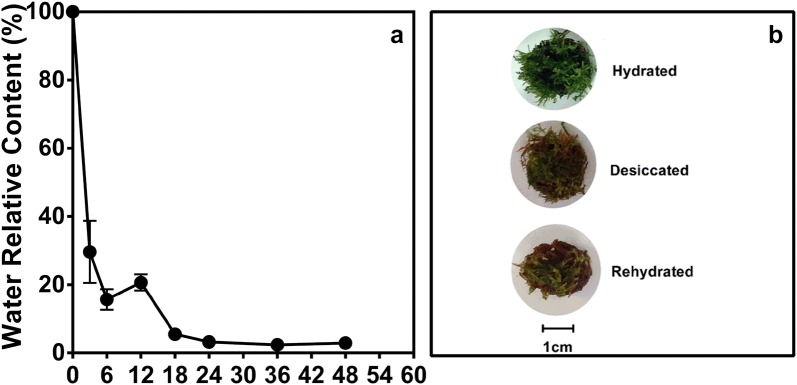
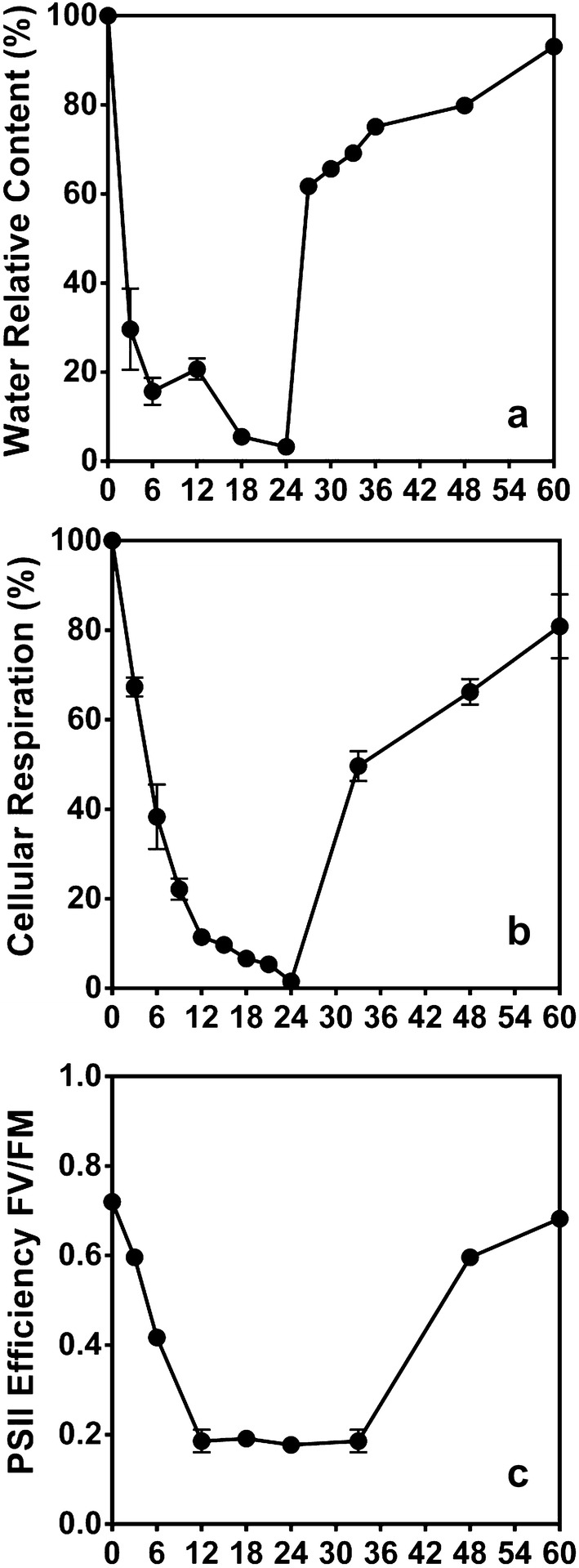
One of the most extreme environments on our planet is the Maritime Antarctic territory, due to its low-water availability, which restricts the development of plants. Sanionia uncinata Hedw. (Amblystegiaceae), the main colonizer of the Maritime Antarctic, has effective mechanisms to tolerate this environment. It has been described that the tolerance to desiccation is mediated by the hormone abscisic acid (ABA), antioxidants systems, accumulation of compatible solutes and proteins of the late embryogenesis abundant (LEA). However, to date, these mechanisms have not been described in S. uncinata. Therefore, in this work, we postulate that the tolerance to desiccation in the Antarctic moss S. uncinata is mediated by the accumulation of ABA, the osmolytes proline and glycine betaine, and dehydrins (an LEA class 11 proteins). To demonstrate our hypothesis, S. uncinata was subjected to desiccation for 24 h (loss in 95% of water content), and the effects on its physiological, photosynthetic, antioxidant and biochemical parameters were determined.
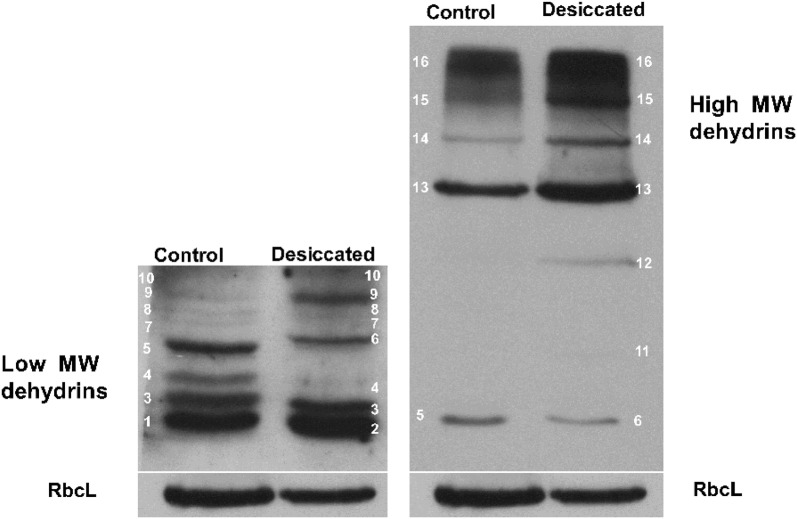
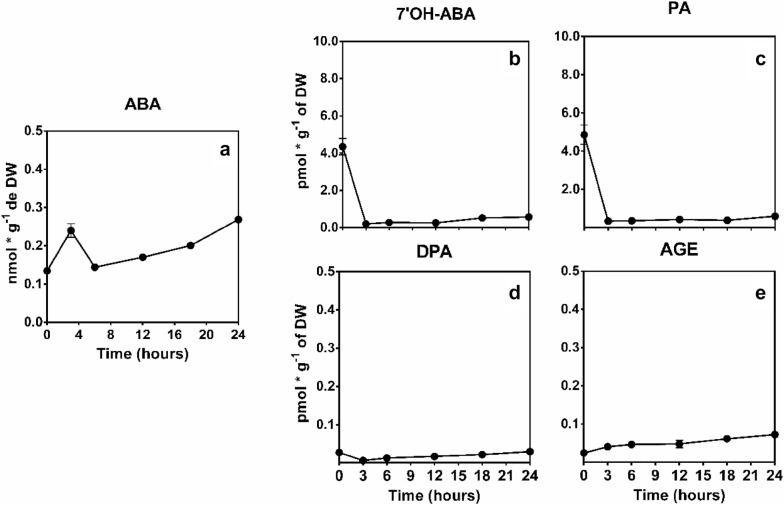
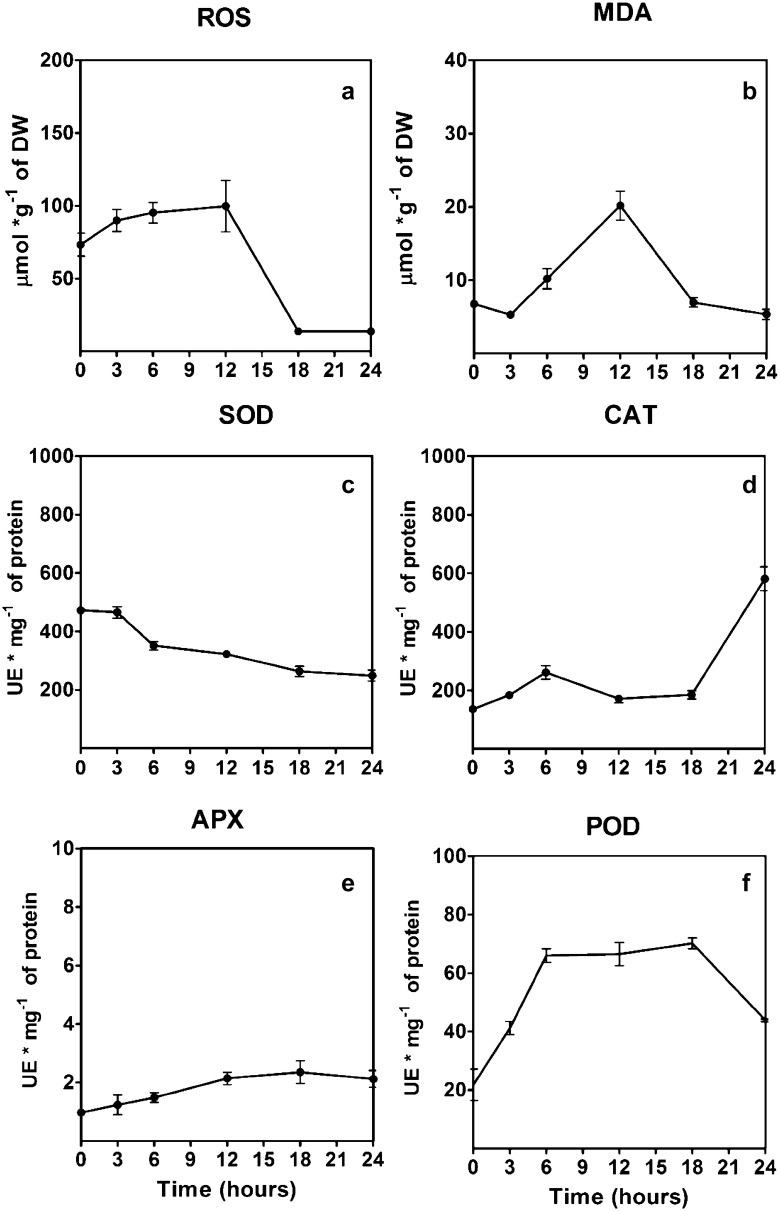
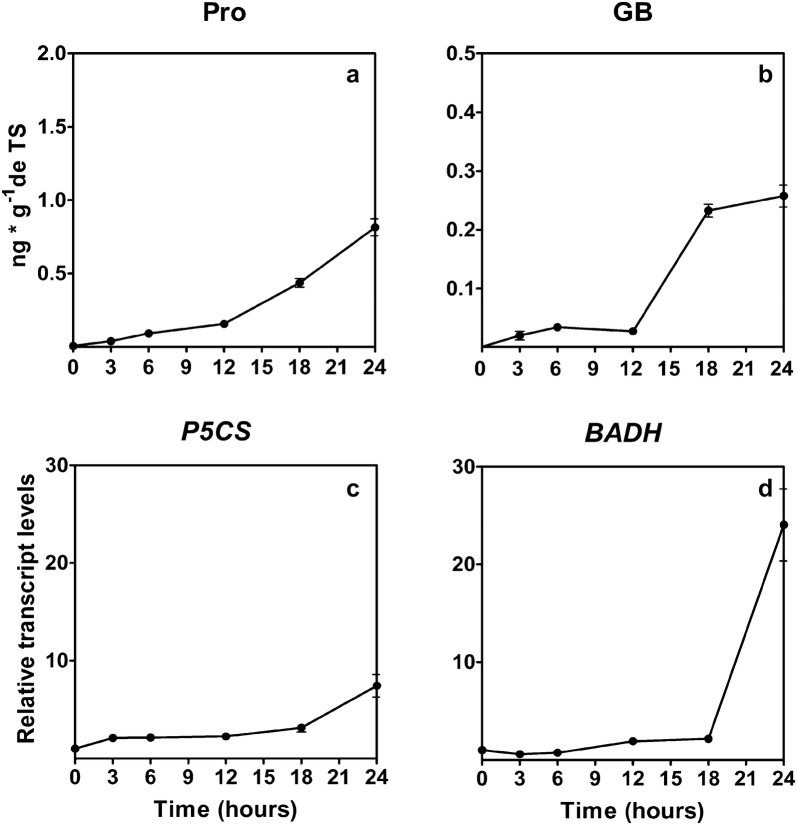
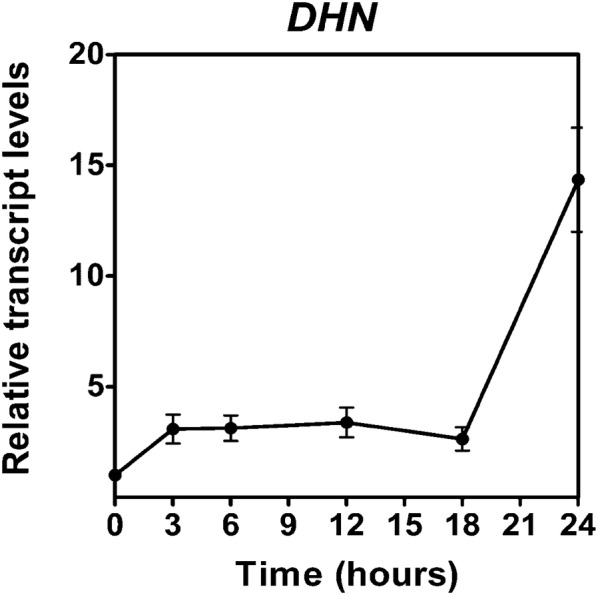
Our results showed an accumulation of ABA in response to water loss, and the activation of protective responses that involves an increment in levels of proline and glycine betaine, an increment in the activity of antioxidant enzymes such as SOD, CAT, APX and POD, and the accumulation of dehydrins proteins.
The results showed, suggest that S. uncinata is a desiccation-tolerant moss, property mediated by high cellular plasticity regulated by ABA.
地球上环境最极端的地方之一是海洋性南极地区,由于其水分含量低,限制了植物的生长。Sanionia uncinata Hedw.(Amblystegiaceae 科)是海洋性南极地区的主要定植者,它具有有效的机制来耐受这种环境。已经描述了对干燥的耐受性是由激素脱落酸(ABA)、抗氧化系统、相容性溶质的积累和晚期胚胎丰富(LEA)的蛋白质介导的。然而,迄今为止,这些机制尚未在 S.uncinata 中描述。因此,在这项工作中,我们假设南极苔藓 S.uncinata 对干燥的耐受性是通过 ABA 的积累、渗透调节剂脯氨酸和甘氨酸甜菜碱以及脱水蛋白(LEA 类 11 蛋白)介导的。为了证明我们的假设,将 S.uncinata 进行 24 小时的干燥处理(水分损失 95%),并测定其生理、光合作用、抗氧化和生化参数的变化。
我们的结果表明,ABA 的积累是对水分损失的响应,并且激活了保护反应,涉及脯氨酸和甘氨酸甜菜碱水平的增加、SOD、CAT、APX 和 POD 等抗氧化酶活性的增加以及脱水蛋白的积累。
结果表明,S.uncinata 是一种具有干燥耐受性的苔藓,其特性是由 ABA 调节的高细胞可塑性介导的。