Department of Pediatrics, Boston Medical Center, and Boston Children's Hospital, One Boston Medical Center Pl, Dowling 3rd Floor, Boston, MA, 02118, USA.
Harvard T.H. Chan School of Public Health, Boston, MA, USA.
AIDS Behav. 2018 Oct;22(10):3363-3372. doi: 10.1007/s10461-018-2200-8.
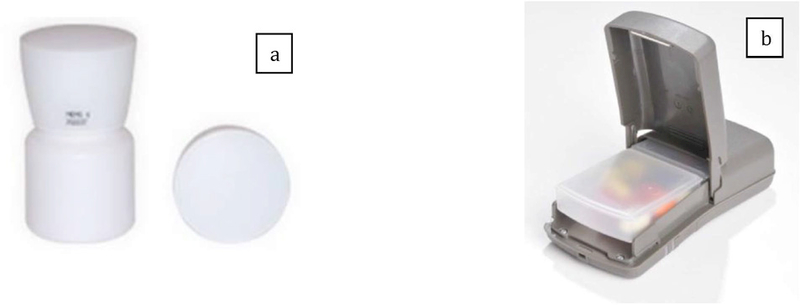
Many new technologies monitor patients' and study participants' medical adherence. Some have cautioned that these devices transgress personal autonomy and ethics. But do they? This qualitative study explored how Ugandan study participants perceive the effect of electronic monitoring of their adherence to antiretroviral therapy (ART) on their freedoms to be non-adherent and pursue other activities that monitoring may inadvertently expose. Between August 2014 and June 2015, we interviewed 60 Ugandans living with HIV and enrolled in the Uganda AIDS Rural Treatment Outcomes (UARTO) study, a longitudinal, observational study involving electronic adherence monitors (EAMs) to assess ART adherence. We also interviewed 6 UARTO research assistants. Both direct and indirect content analysis were used to interpret interview transcripts. We found that monitoring created a sense of pressure to adhere to ART, which some participants described as "forcing" them to adhere. However, even participants who felt that monitoring forced them to take medications perceived using the EAM as conducive to their fundamental goal of high ART adherence. Overall, even if monitoring may have limited participants' effective freedom to be non-adherent, participants welcomed any such effect. No participant rejected the EAM on the grounds that it would limit that effective freedom. Reports that monitoring altered behaviors unrelated to pill-taking were rare. Researchers should continue to be vigilant about the ways in which behavioral health monitoring affects autonomy, but should also recognize that even autonomy-limiting monitoring strategies may enable participants to achieve their own goals.
许多新技术可以监测患者和研究参与者的医疗依从性。有人警告说,这些设备侵犯了个人自主权和伦理道德。但真的是这样吗?本定性研究探讨了乌干达研究参与者如何看待电子监测其抗逆转录病毒疗法 (ART) 依从性对其非依从性和追求其他活动的自由的影响,而这些活动可能会无意中暴露监测。2014 年 8 月至 2015 年 6 月,我们采访了 60 名乌干达艾滋病毒感染者,他们参加了乌干达艾滋病农村治疗结果 (UARTO) 研究,这是一项纵向观察研究,涉及电子依从性监测器 (EAMs) 以评估 ART 依从性。我们还采访了 6 名 UARTO 研究助理。我们使用直接和间接内容分析来解释访谈记录。我们发现监测会给参与者带来遵从 ART 的压力,有些参与者将其描述为“迫使”他们遵从。然而,即使是那些认为监测迫使他们服药的参与者,也认为使用 EAM 有助于他们实现高 ART 依从性的基本目标。总的来说,即使监测可能限制了参与者有效的非依从性自由,但参与者还是欢迎任何这样的效果。没有参与者因为 EAM 会限制这种有效自由而拒绝它。监测与服药无关的行为发生变化的报告很少见。研究人员应继续警惕行为健康监测如何影响自主权,但也应认识到,即使是限制自主权的监测策略也可能使参与者实现自己的目标。