Paredes Juan, Shiovitz David A, Andarawis-Puri Nelly
a Nancy E. and Peter C. Meinig School of Biomedical Engineering , Cornell University , Ithaca , NY , USA.
b Leni and Peter W. May Department of Orthopaedics , Icahn School of Medicine, Mount Sinai , New York , NY , USA.
Connect Tissue Res. 2018 Sep;59(5):472-482. doi: 10.1080/03008207.2018.1485665. Epub 2018 Jun 21.
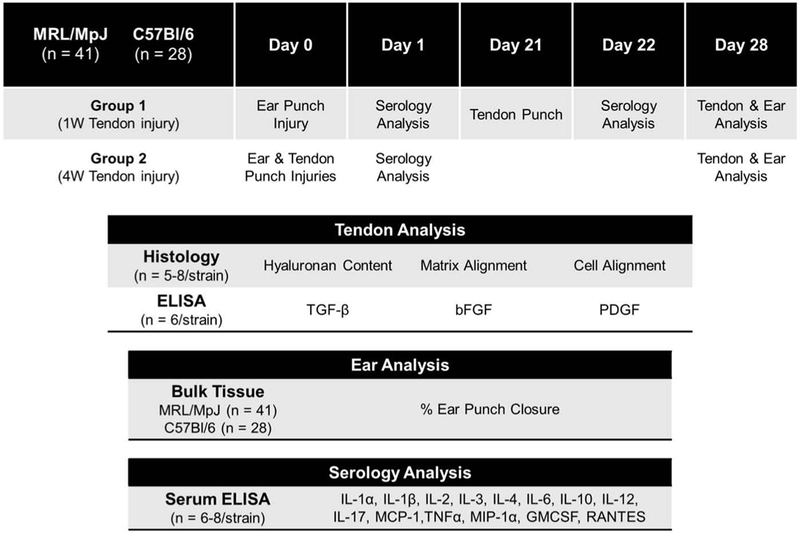
Tendon tears are common injuries that heal with scar formation. Interestingly, MRL/MpJ mice heal without scar in several tissues, including tendon. Most hypotheses regarding scarless healing implicate the systemic environment. However, the tissue-specificity of this regenerative response and our previous findings showing regeneration of sub-rupture tendon injuries, which lack an overt systemic response, motivate a tissue-driven hypothesis. Our objective is to investigate the potential of the local tendon environment in driving scarless healing (1) by comparing the systemic response and the healing capacity associated with ear and tendon injuries in MRL/MpJ mice, and (2) by comparing intrinsic healing properties between MRL/MpJ and normal healer C57Bl/6 tendons.
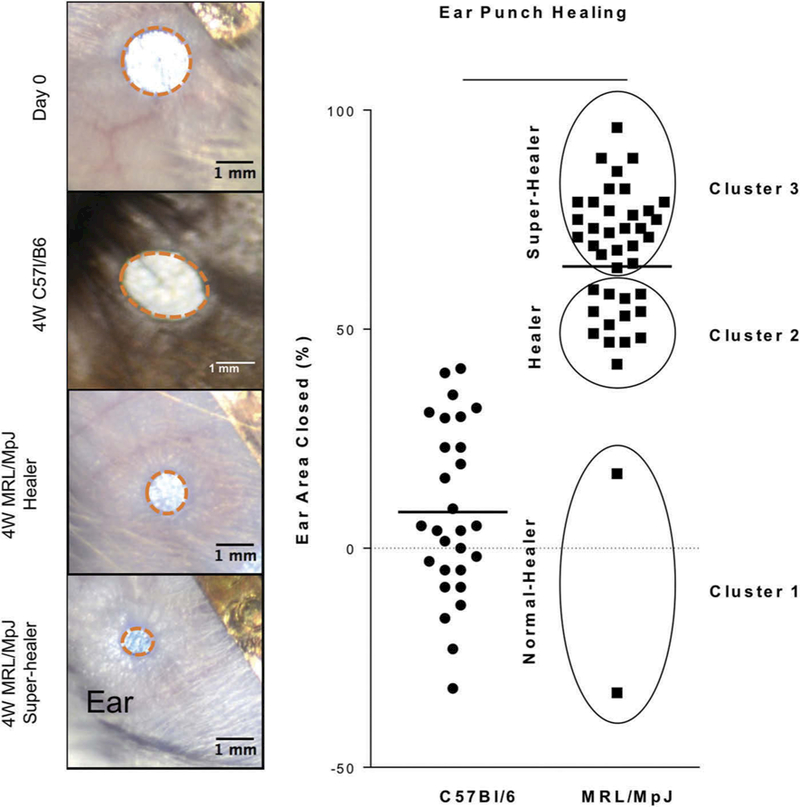
We examined the systemic inflammatory and local structural environments of ear and tendon punch injuries in MRL/MpJ and C57Bl/6 mice. Systemic differences were analyzed to assess effects of different injuries on the inflammatory response. Correlations were assessed between MRL/MpJ ear and tendon injuries to compare the extent of healing between regenerative tissues.
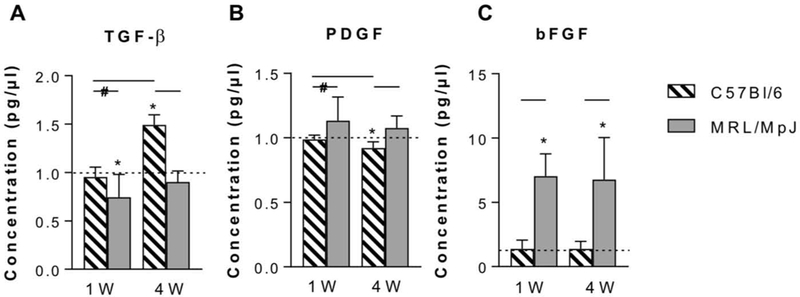
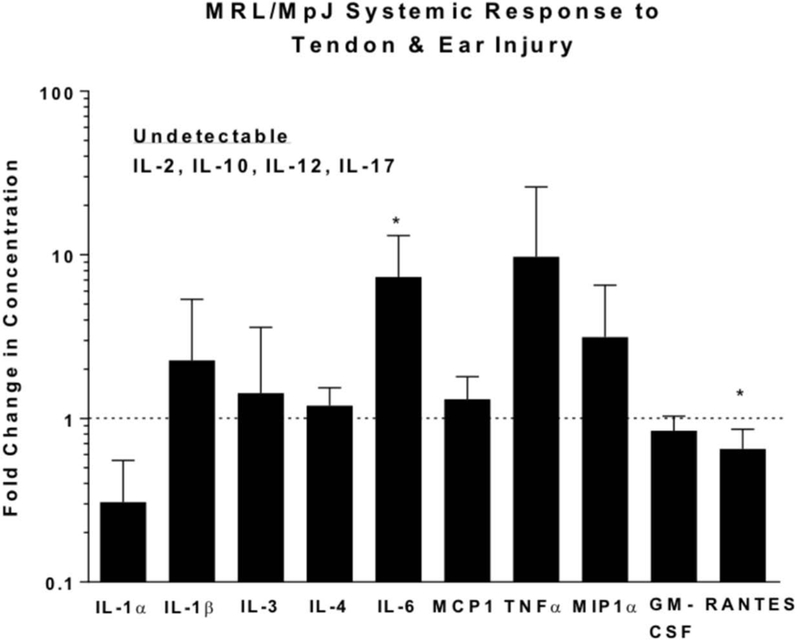
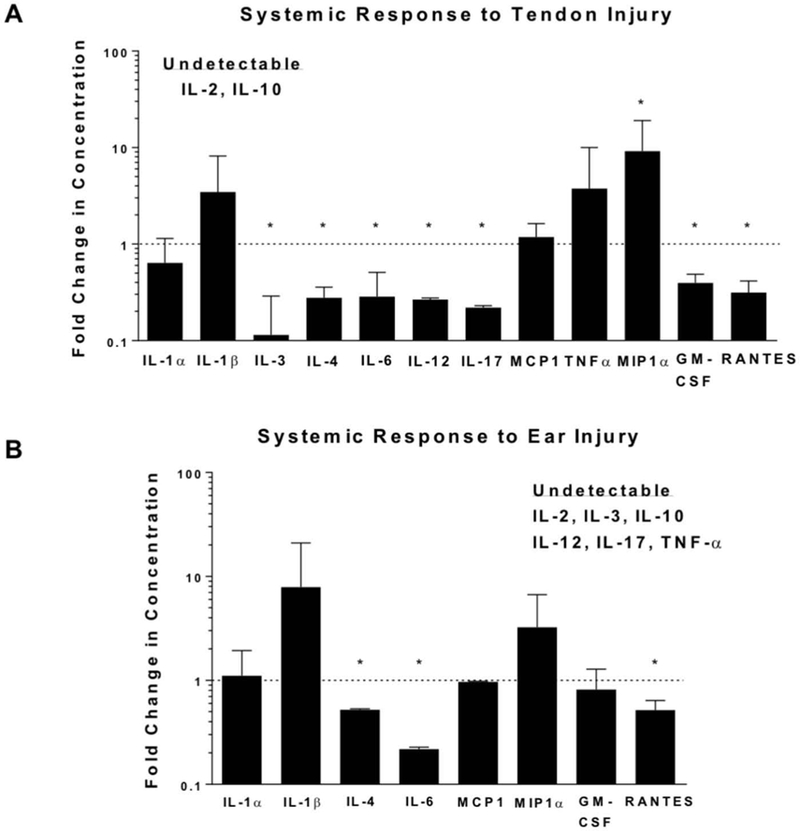
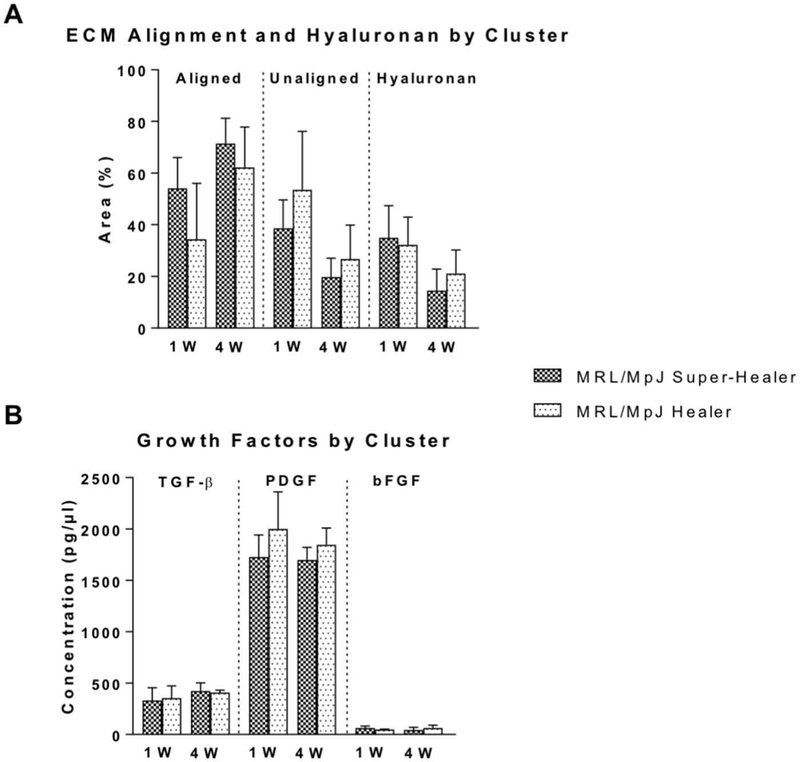
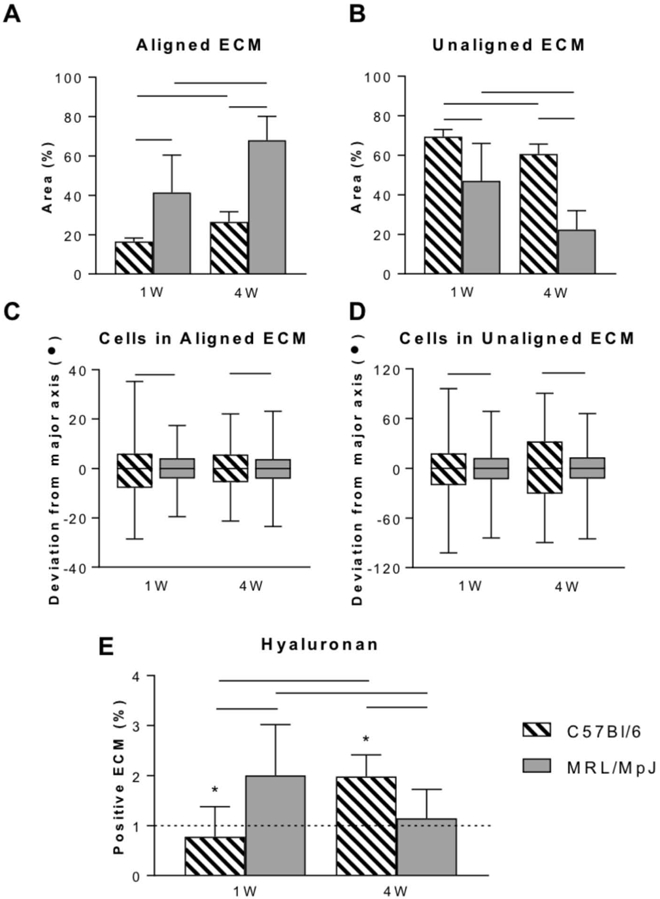
Analysis showed similarities between the systemic environment in MRL/MpJ post ear or tendon injuries. However, comparable inflammatory responses did not translate into analogous healing between tissues, suggesting that the systemic environment is not the driver of regeneration. Supporting the regenerative role of the local environment, healing MRL/MpJ tendons exhibited improved matrix and cell alignment and a distinct composition of growth factors and Hyaluronan from C57Bl/6.
These findings support the tissue-driven hypothesis for MRL/MpJ tendon regeneration and motivate further investigation regarding specific roles of extracellular factors in scarless healing.
肌腱撕裂是常见损伤,通过瘢痕形成愈合。有趣的是,MRL/MpJ小鼠在包括肌腱在内的多个组织中无瘢痕愈合。大多数关于无瘢痕愈合的假说都涉及全身环境。然而,这种再生反应的组织特异性以及我们之前的研究结果显示,亚破裂性肌腱损伤的再生缺乏明显的全身反应,这促使我们提出一种组织驱动的假说。我们的目的是通过比较MRL/MpJ小鼠耳部和肌腱损伤的全身反应及愈合能力,以及比较MRL/MpJ和正常愈合的C57Bl/6肌腱的内在愈合特性,来研究局部肌腱环境驱动无瘢痕愈合的潜力。
我们检查了MRL/MpJ和C57Bl/6小鼠耳部和肌腱穿刺损伤的全身炎症和局部结构环境。分析全身差异以评估不同损伤对炎症反应的影响。评估MRL/MpJ耳部和肌腱损伤之间的相关性,以比较再生组织之间的愈合程度。
分析表明,MRL/MpJ小鼠耳部或肌腱损伤后的全身环境相似。然而,相当的炎症反应并未转化为组织间类似的愈合情况,这表明全身环境并非再生的驱动因素。支持局部环境的再生作用的是,愈合中的MRL/MpJ肌腱显示出改善的基质和细胞排列,以及与C57Bl/6不同的生长因子和透明质酸组成。
这些发现支持了MRL/MpJ肌腱再生的组织驱动假说,并促使进一步研究细胞外因子在无瘢痕愈合中的具体作用。