Ehlers Anne P, Davidson Giana H, Deeney Kimberly, Talan David A, Flum David R, Lavallee Danielle C
Department of Surgery, University of Washington.
The Comparative Effectiveness Research Translation Network.
EGEMS (Wash DC). 2017 May 10;5(1):4. doi: 10.13063/2327-9214.1274.
Lack of engagement with healthcare stakeholders results in missed opportunities to understand translation of evidence into practice.
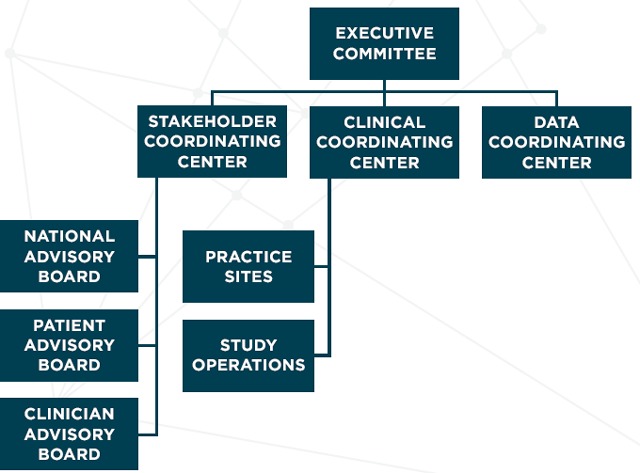
Stakeholder engagement is a key component of the Comparing Outcomes of Drugs and Appendectomy (CODA) Study, a pragmatic clinical trial funded by PCORI to evaluate the effectiveness of antibiotics versus urgent appendectomy for acute uncomplicated appendicitis. We provide a framework for developing a stakeholder coordinating center (SCC) and describe two examples of how stakeholder engagement can inform study development.
Coordinating engagement activities through the SCC established a commitment to the important partnership with stakeholders. It also facilitated communication and provided a central mechanism for obtaining input on key decisions such as development of patient-centered consent documents and appropriate stopping rules for a specific sub-population of patients with appendicitis.
Translatable lessons include thoughtful planning for engagement, identifying stakeholders with a direct interest in the study conduct and findings, and integration of input received into the decisions that drive the conduct of the study.
Standards for conducting patient-centered research should address the ability to successfully engage patients by demonstrating the capacity to recruit study participants, engage them over the duration of the study, and disseminate findings that are congruent with stakeholder needs. The process of sharing important clinical research findings has improved patient care, and we believe that dissemination of novel engagement strategies can lead to increased success in study design and execution.
与医疗保健利益相关者缺乏互动会导致错过将证据转化为实践的理解机会。
利益相关者参与是“药物与阑尾切除术结果比较”(CODA)研究的关键组成部分,该研究是一项由患者为中心的结果研究所资助的务实临床试验,旨在评估抗生素与急诊阑尾切除术治疗急性单纯性阑尾炎的有效性。我们提供了一个建立利益相关者协调中心(SCC)的框架,并描述了利益相关者参与如何为研究发展提供信息的两个例子。
通过SCC协调参与活动确立了与利益相关者重要伙伴关系的承诺。它还促进了沟通,并提供了一个核心机制,以获取有关关键决策的意见,例如制定以患者为中心的同意书以及针对特定阑尾炎患者亚群的适当停止规则。
可借鉴的经验教训包括精心策划参与活动、识别对研究实施和结果有直接兴趣的利益相关者,以及将收到的意见纳入推动研究实施的决策中。
开展以患者为中心的研究的标准应通过展示招募研究参与者的能力、在研究期间与他们互动以及传播符合利益相关者需求的结果来解决成功吸引患者的能力问题。分享重要临床研究结果的过程改善了患者护理,我们相信传播新颖的参与策略可以提高研究设计和实施的成功率。