1 Department of Anatomy and Neurobiology, University of California-Irvine, CA, USA.
2 Sue and Bill Gross Stem Cell Center, University of California-Irvine, CA, USA.
ASN Neuro. 2018 Jan-Dec;10:1759091418781921. doi: 10.1177/1759091418781921.
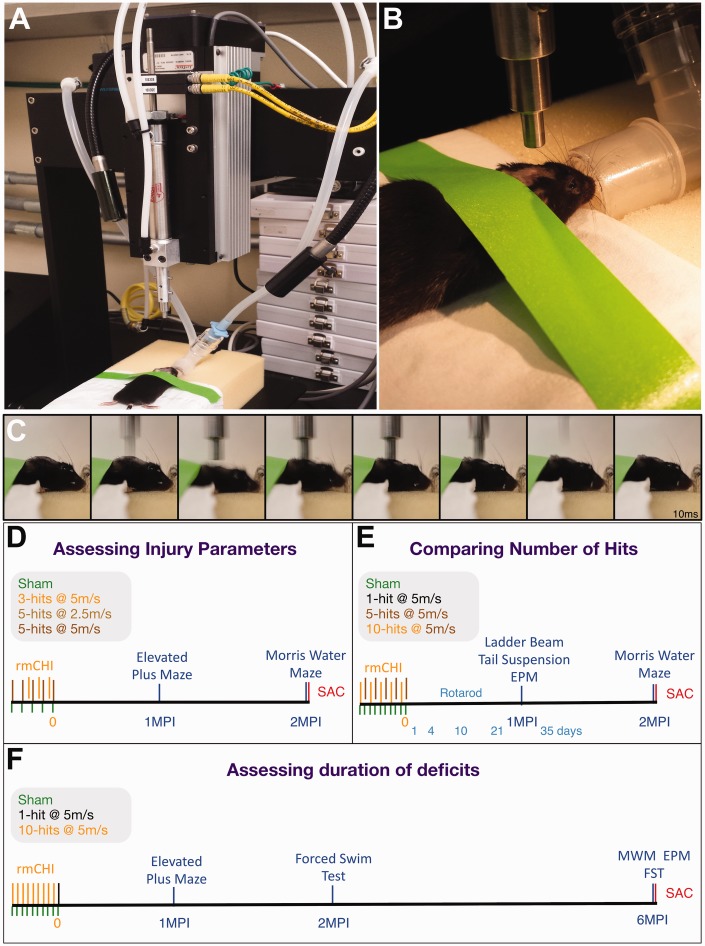
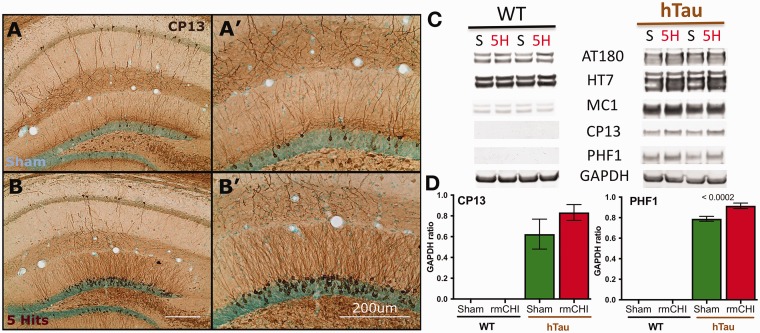
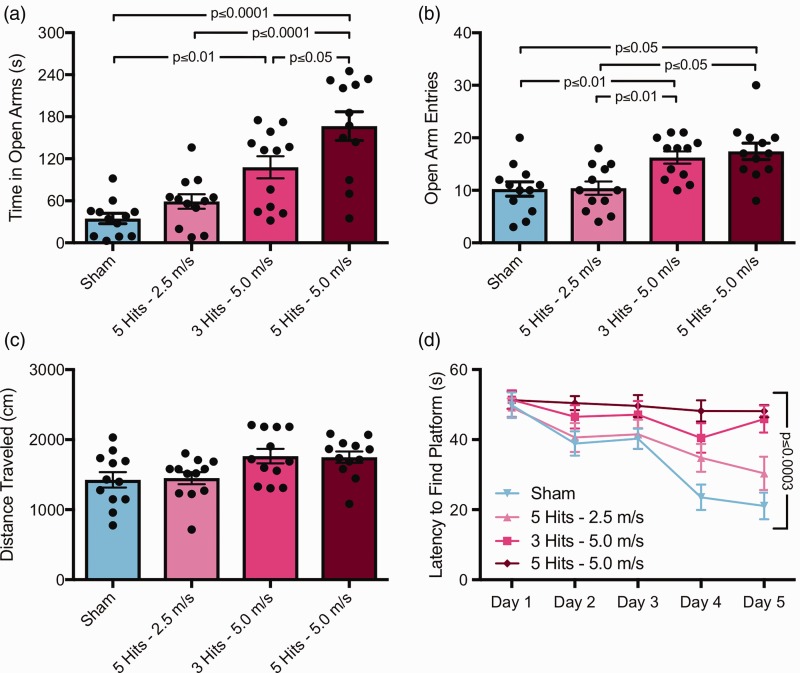
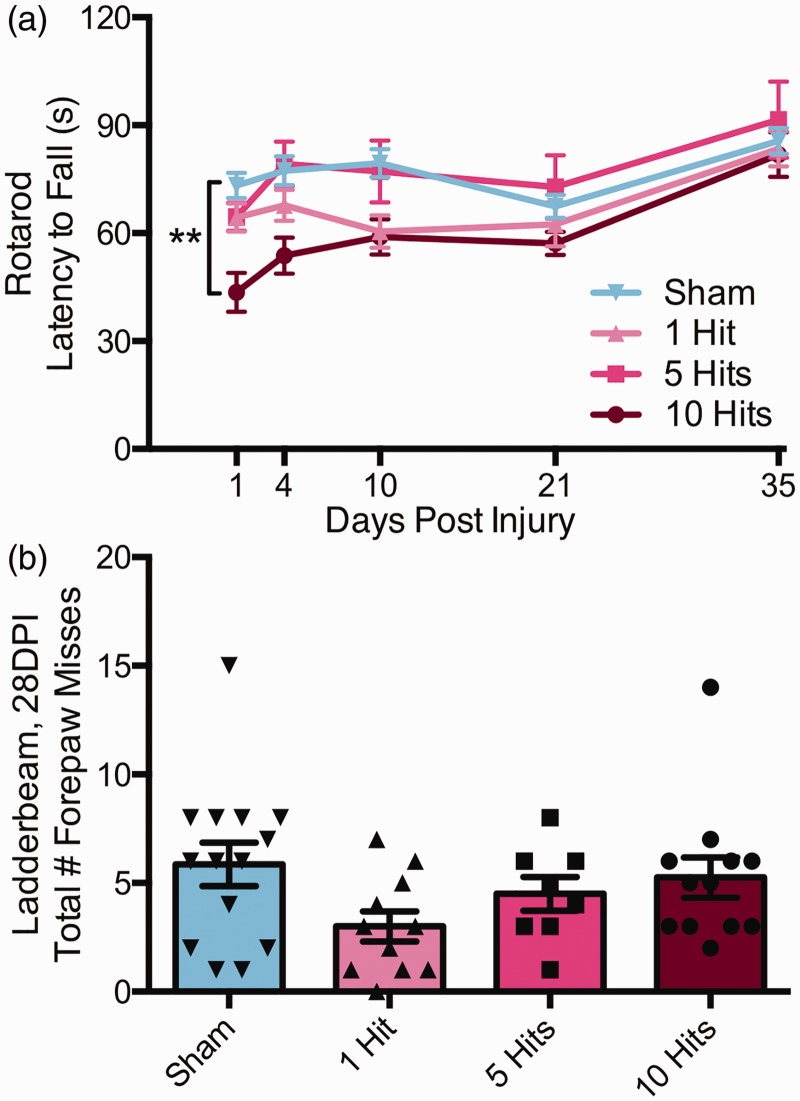
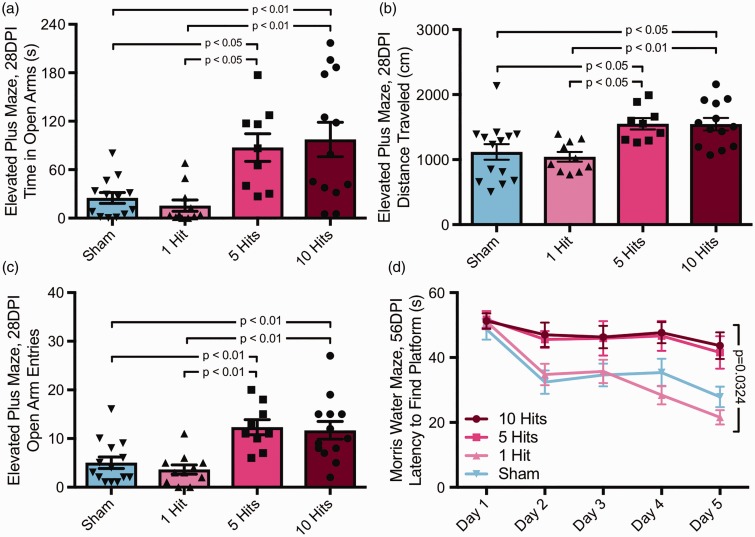
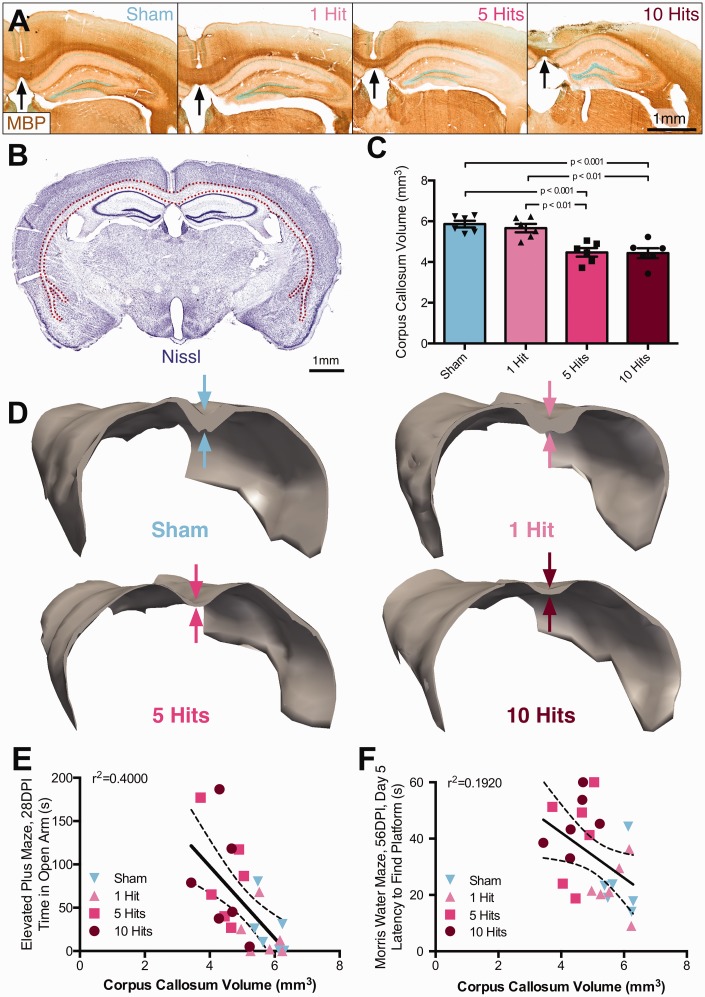
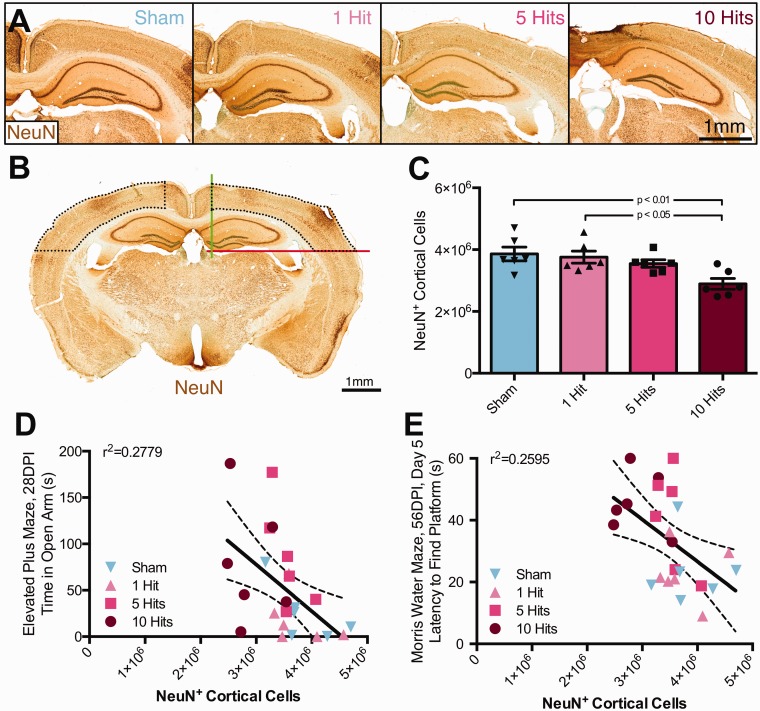
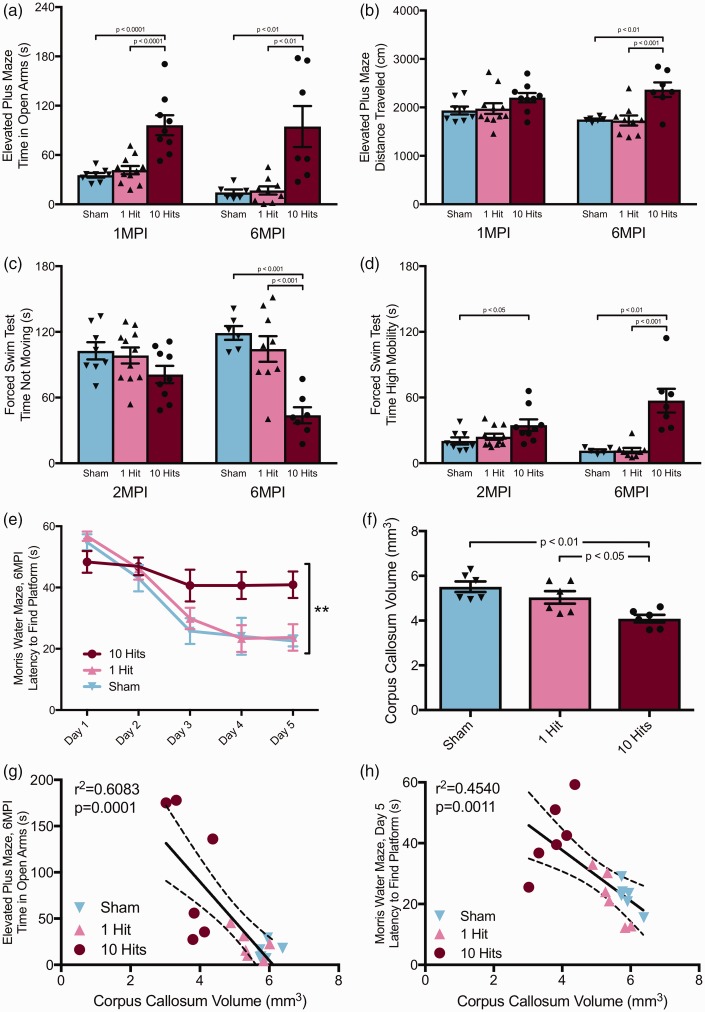
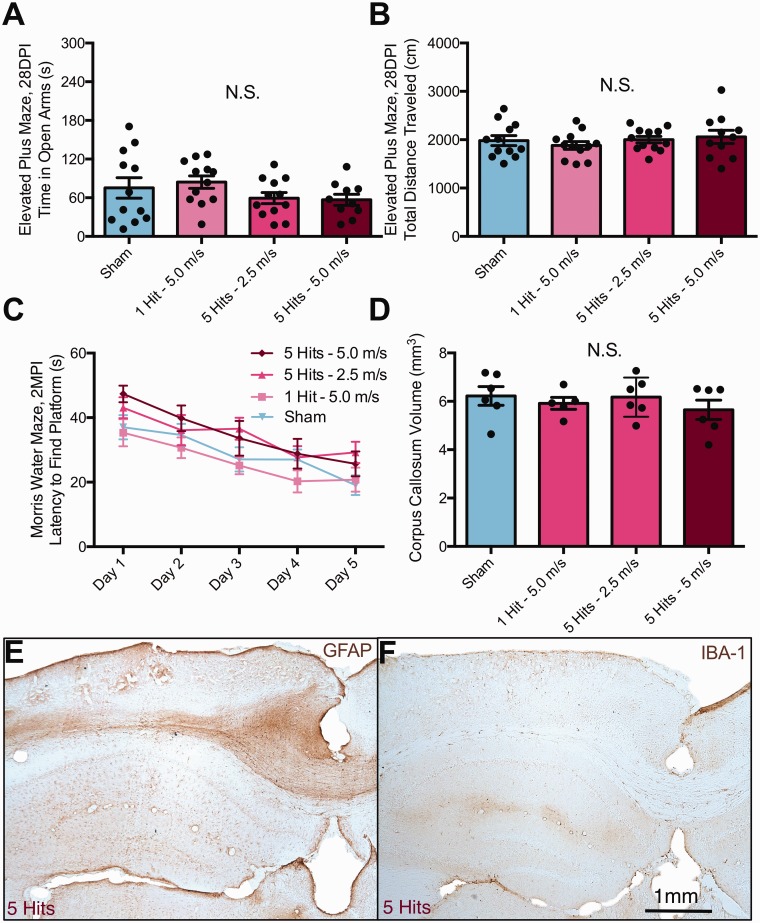
An estimated 5.3 million Americans are living with a disability from a traumatic brain injury (TBI). There is emerging evidence of the detrimental effects from repeated mild TBIs (rmTBIs). rmTBI manifests its own unique set of behavioral and neuropathological changes. A subset of individuals exposed to rmTBI develop permanent behavioral and pathological consequences, defined postmortem as chronic traumatic encephalopathy. We have combined components of two classic rodent models of TBI, the controlled cortical impact model and the weight drop model, to develop a repeated mild closed head injury (rmCHI) that produces long-term deficits in several behaviors that correlate with neuropathological changes. Mice receiving rmCHI performed differently from 1-hit or sham controls on the elevated plus maze; these deficits persist up to 6 months postinjury (MPI). rmCHI mice performed worse than 1-hit and control sham mice at 2 MPI and 6 MPI on the Morris water maze. Mice receiving rmCHI exhibited significant atrophy of the corpus callosum at both 2 MPI and 6 MPI, as assessed by stereological volume analysis. Stereological analysis also revealed significant loss of cortical neurons in comparison with 1-hit and controls. Moreover, both of these pathological changes correlated with behavioral impairments. In human tau transgenic mice, rmCHI induced increases in hyperphosphorylated paired helical filament 1 tau in the hippocampus. This suggests that strategies to restore myelination or reduce neuronal loss may ameliorate the behavioral deficits observed following rmCHI and that rmCHI may model chronic traumatic encephalopathy in human tau mice.
据估计,有 530 万美国人患有创伤性脑损伤 (TBI) 导致的残疾。越来越多的证据表明,反复轻度 TBI (rmTBI) 会产生有害影响。rmTBI 表现出其独特的行为和神经病理学变化。一小部分接触 rmTBI 的人会出现永久性的行为和病理后果,死后被定义为慢性创伤性脑病。我们将两种经典的啮齿动物 TBI 模型——皮质控制撞击模型和重物坠落模型的组件结合起来,开发了一种反复轻度闭合性头部损伤 (rmCHI),这种损伤会导致多种行为长期出现缺陷,这些行为与神经病理学变化相关。接受 rmCHI 的小鼠在高架十字迷宫上的表现与单次打击或假手术对照不同;这些缺陷在损伤后 6 个月(MPI)仍持续存在。在 2 MPI 和 6 MPI 时,rmCHI 小鼠在 Morris 水迷宫上的表现比单次打击和对照假手术小鼠差。接受 rmCHI 的小鼠在 2 MPI 和 6 MPI 时,胼胝体的体积明显萎缩,通过体视学体积分析评估。体视学分析还显示,与单次打击和对照相比,皮质神经元明显丢失。此外,这些病理变化与行为障碍都相关。在人类 tau 转基因小鼠中,rmCHI 诱导海马中磷酸化双螺旋丝 1 tau 的增加。这表明,恢复髓鞘形成或减少神经元丢失的策略可能会改善 rmCHI 后观察到的行为缺陷,并且 rmCHI 可能会在人类 tau 小鼠中模拟慢性创伤性脑病。