Kim Dong-Suk, Anantharam Poojya, Hoffmann Andrea, Meade Mitchell L, Grobe Nadja, Gearhart Jeffery M, Whitley Elizabeth M, Mahama Belinda, Rumbeiha Wilson K
Veterinary Diagnostic & Production Animal Medicine, Iowa State University, Ames, IA, USA.
Henry M Jackson Foundation on contract 711HPW/USAFSAM/FHOF, Wright Patterson Air Force Base, Dayton, OH, USA.
Toxicol Appl Pharmacol. 2018 Sep 15;355:28-42. doi: 10.1016/j.taap.2018.06.001. Epub 2018 Jun 19.
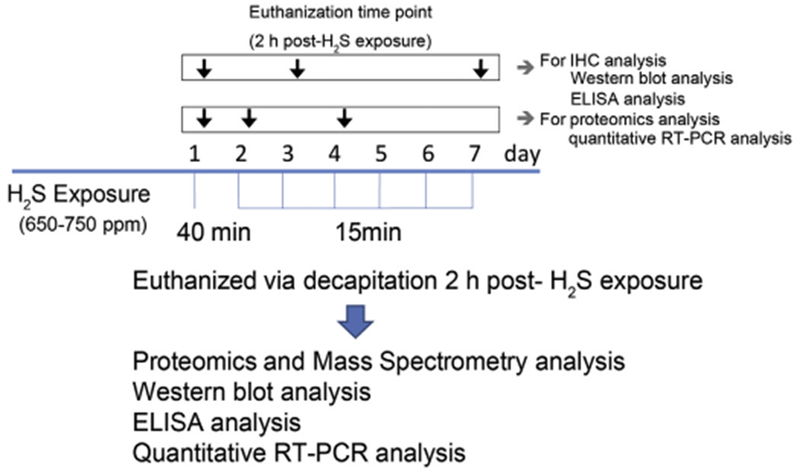
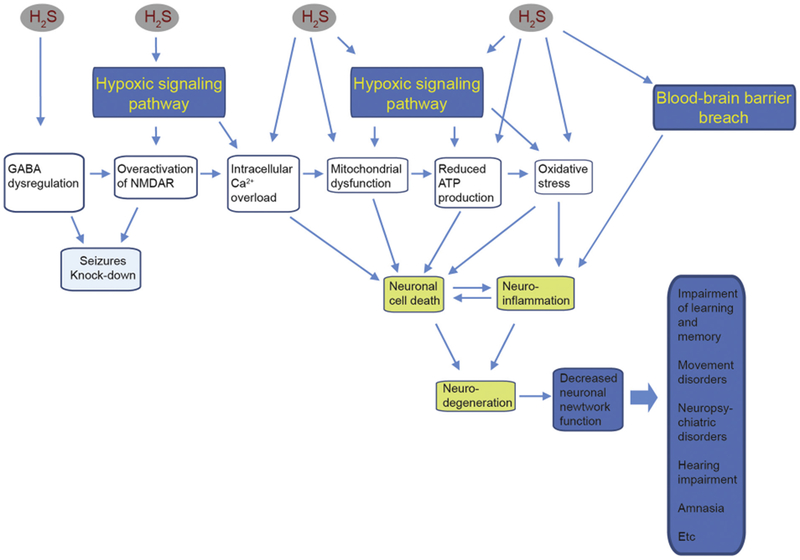
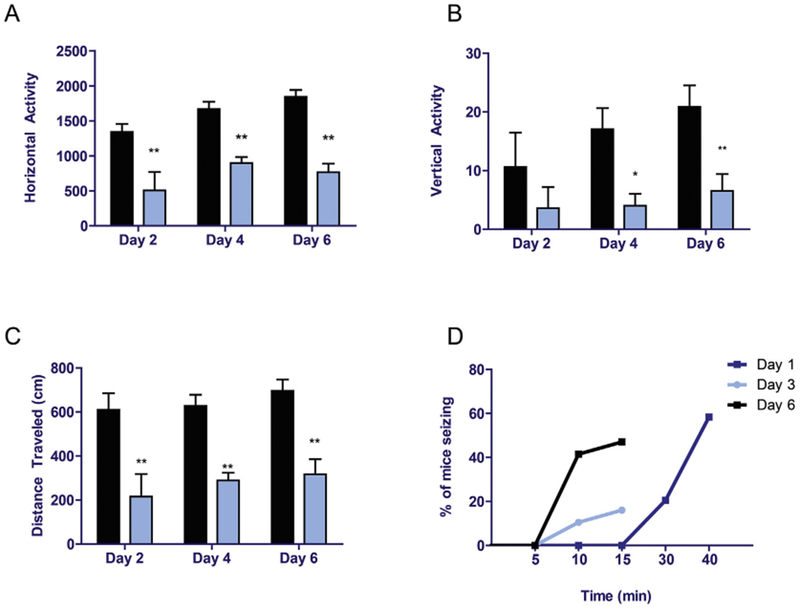
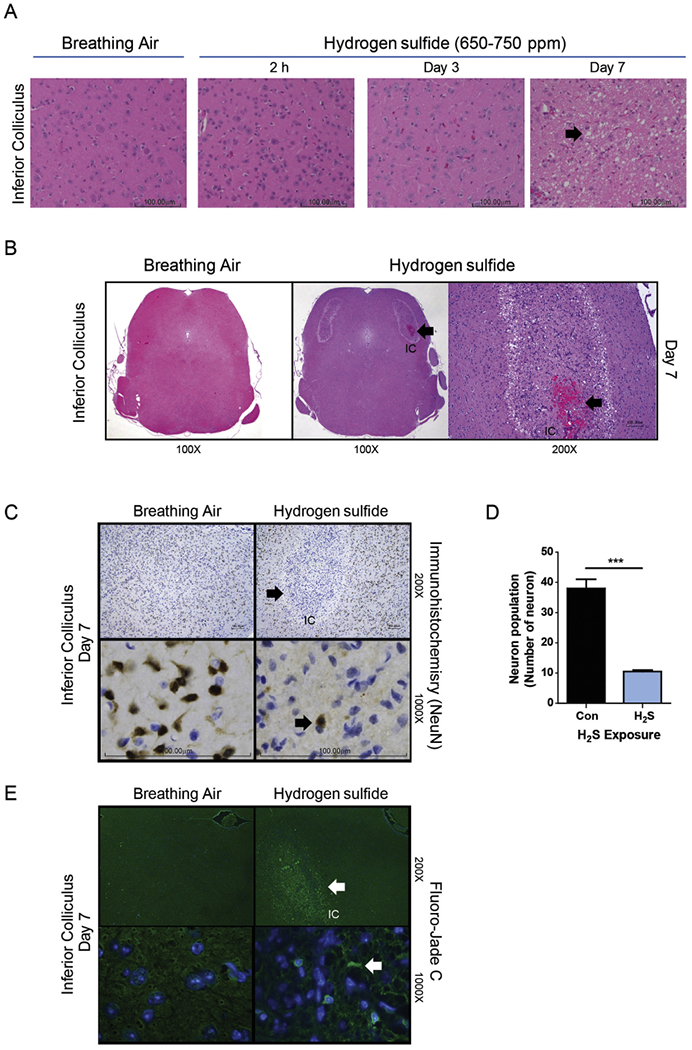
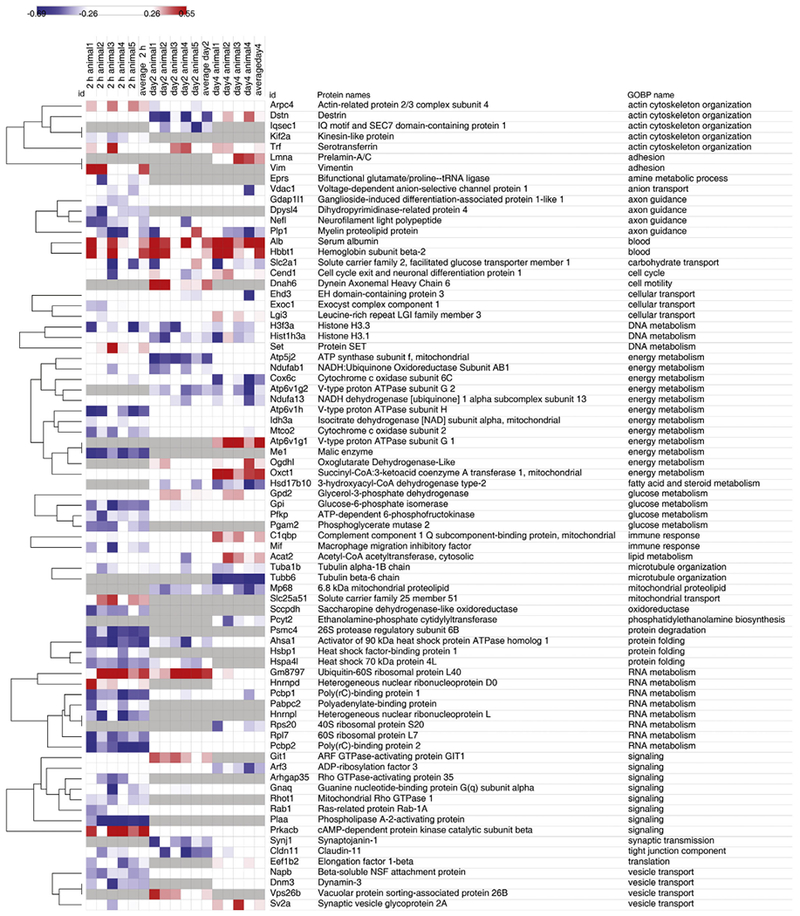
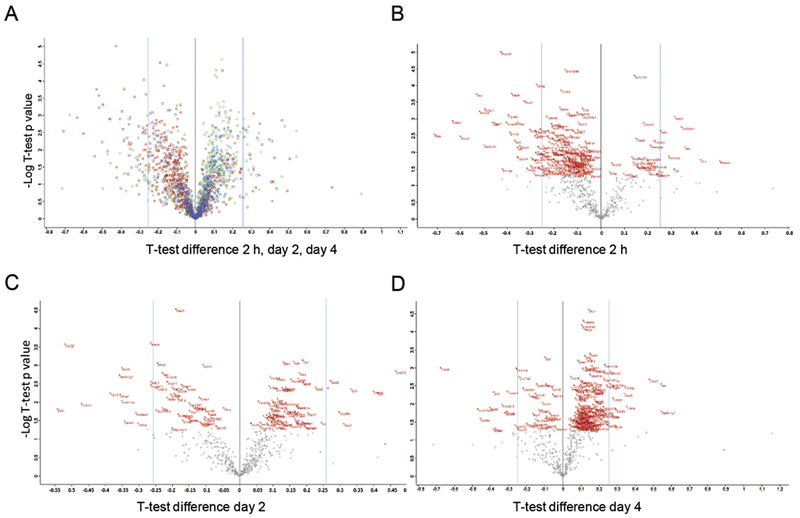
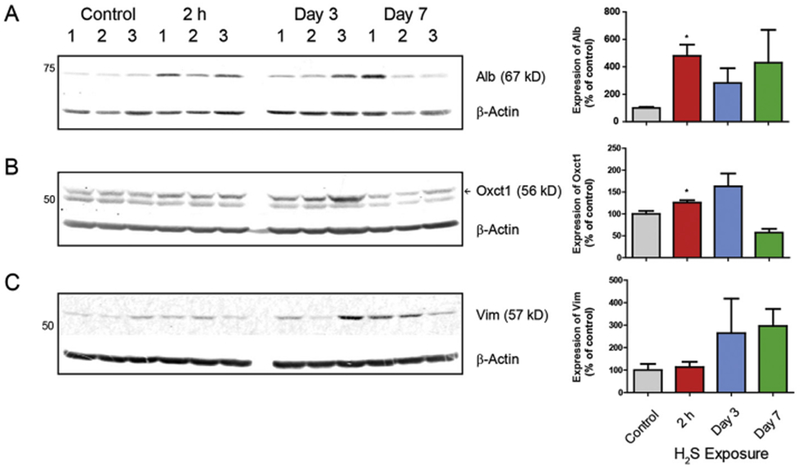
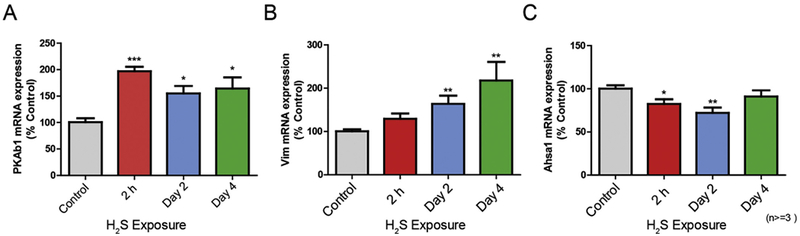
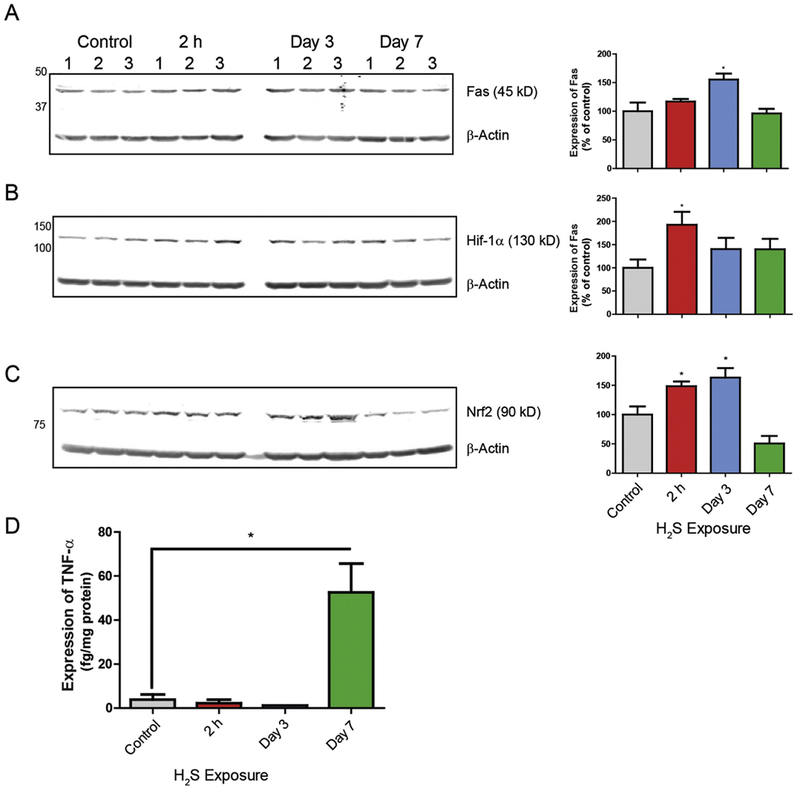
Acute exposure to high concentrations of HS causes severe brain injury and long-term neurological disorders, but the mechanisms involved are not known. To better understand the cellular and molecular mechanisms involved in acute HS-induced neurodegeneration we used a broad-spectrum proteomic analysis approach to identify key molecules and molecular pathways involved in the pathogenesis of acute HS-induced neurotoxicity and neurodegeneration. Mice were subjected to acute inhalation exposure of up to750 ppm of HS. HS induced behavioral deficits and severe lesions including hemorrhage in the inferior colliculus (IC). The IC was microdissected for proteomic analysis. Tandem mass tags (TMT) liquid chromatography mass spectrometry (LC-MS/MS)-based quantitative proteomics was applied for protein identification and quantitation. LC-MS/MS identified 598, 562, and 546 altered proteomic changes at 2 h, and on days 2 and 4 post-HS exposure, respectively. Of these, 77 proteomic changes were statistically significant at any of the 3 time points. Mass spectrometry data were subjected to Perseus 1.5.5.3 statistical analysis, and gene ontology heat map clustering. Expressions of several key molecules were verified to confirm HS-dependent proteomics changes. Webgestalt pathway overrepresentation enrichment analysis with Panther engine revealed HS exposure disrupted several biological processes including metabotropic glutamate receptor group 1 and inflammation mediated by chemokine and cytokine signaling pathways among others. Further analysis showed that energy metabolism, integrity of blood-brain barrier, hypoxic, and oxidative stress signaling pathways were also implicated. Collectively, this broad-spectrum proteomics data has provided important clues to follow up in future studies to further elucidate mechanisms of HS-induced neurotoxicity.
急性暴露于高浓度硫化氢会导致严重的脑损伤和长期的神经功能障碍,但其涉及的机制尚不清楚。为了更好地理解急性硫化氢诱导的神经退行性变所涉及的细胞和分子机制,我们采用了一种广谱蛋白质组学分析方法,以识别急性硫化氢诱导的神经毒性和神经退行性变发病机制中涉及的关键分子和分子途径。将小鼠暴露于高达750 ppm的硫化氢中进行急性吸入。硫化氢诱导行为缺陷和严重病变,包括下丘脑出血。对下丘进行显微切割以进行蛋白质组学分析。采用基于串联质量标签(TMT)液相色谱-质谱联用(LC-MS/MS)的定量蛋白质组学方法进行蛋白质鉴定和定量。LC-MS/MS分别在硫化氢暴露后2小时、第2天和第4天鉴定出598、562和546个蛋白质组学变化。其中,77个蛋白质组学变化在3个时间点中的任何一个具有统计学意义。对质谱数据进行Perseus 1.5.5.3统计分析和基因本体热图聚类。验证了几种关键分子的表达,以确认依赖硫化氢的蛋白质组学变化。使用Panther引擎进行的Webgestalt途径过表达富集分析显示,硫化氢暴露破坏了几个生物学过程,包括代谢型谷氨酸受体1以及由趋化因子和细胞因子信号通路介导的炎症等。进一步分析表明,能量代谢、血脑屏障完整性、缺氧和氧化应激信号通路也有涉及。总的来说,这些广谱蛋白质组学数据为未来研究进一步阐明硫化氢诱导的神经毒性机制提供了重要线索。