Patel Chirag J, Bhatt Hardik B, Parikh Samira N, Jhaveri Binit N, Puranik Jyothi H
Department of Emergency Medicine, B.J. Medical College and Civil Hospital, Ahmedabad, Gujarat, India.
J Emerg Trauma Shock. 2018 Apr-Jun;11(2):125-129. doi: 10.4103/JETS.JETS_21_17.
The objective of this study is to determine the accuracy of the bedside lung ultrasound in emergency (BLUE) protocol in giving a correct diagnosis in patients presenting with acute respiratory distress in emergency department.
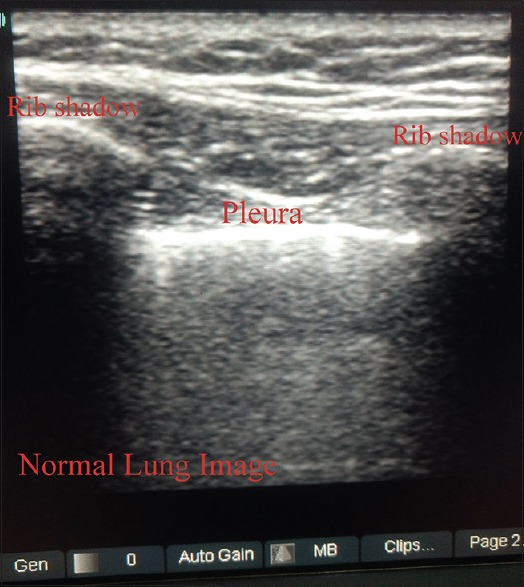
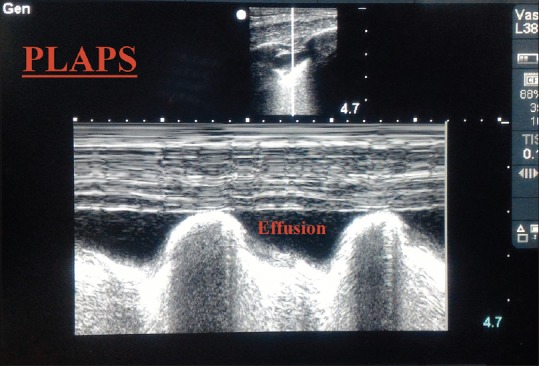
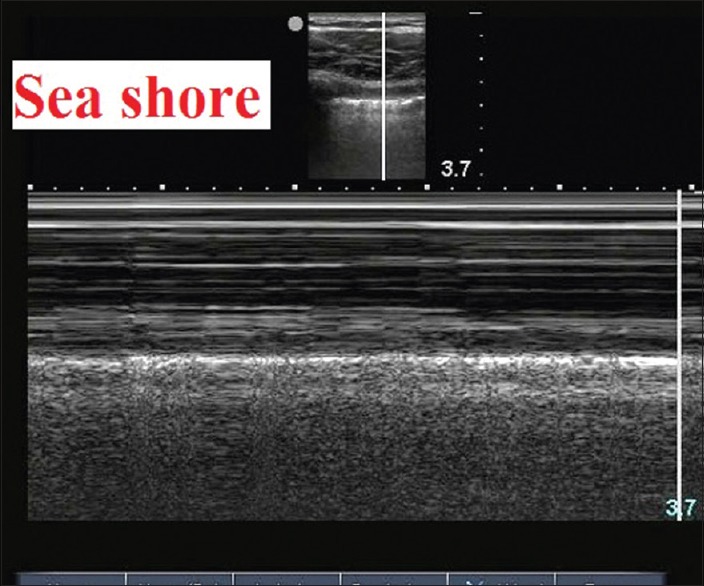
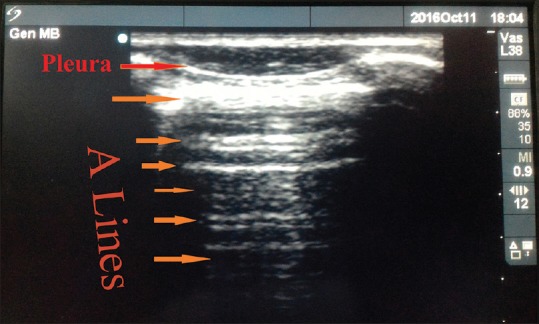
Patients with acute respiratory distress were evaluated. Ultrasound findings such as artifacts (A line, B line), lung sliding, alveolar consolidation or pleural effusion, and venous analysis were recorded. Ultrasonography findings were correlated with final diagnosis made by the treating unit. Sensitivity and specificity were calculated.
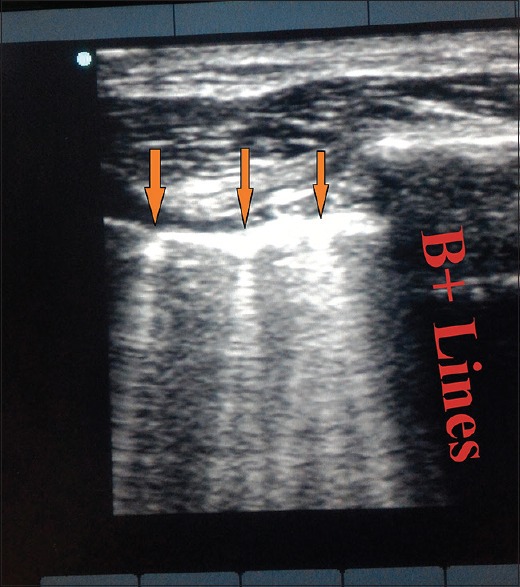
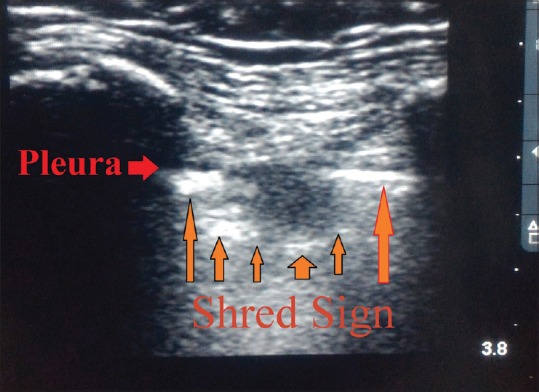
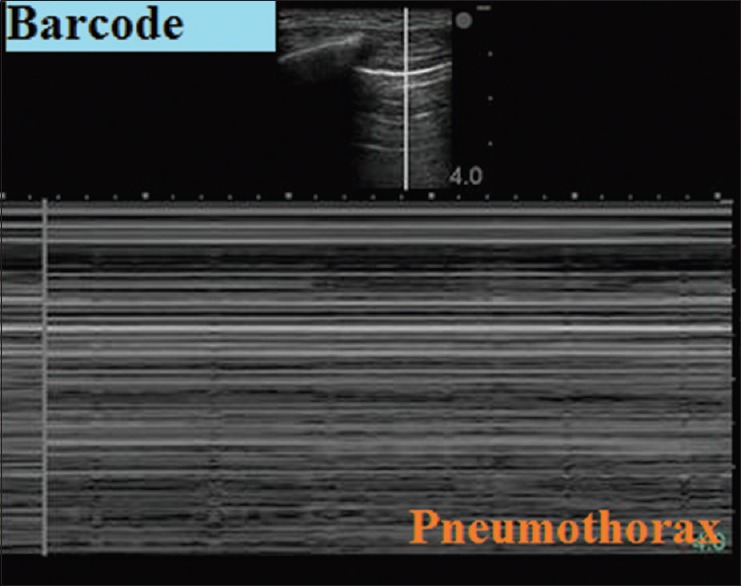
A total 50 patients were evaluated. The A profile (predominant A line with lung sliding) indicated chronic obstructive pulmonary disease/asthma ( = 14) with 85.17% sensitivity and 88.88% specificity. B profile (predominant B + lines with lung sliding) indicated pulmonary edema ( = 13) with 92.30% sensitivity and 100% specificity. The A/B profile (A line on one side and B + line on other side) and the C profile (anterior consolidation) and the A profile plus posterolateral alveolar and/or pleural syndrome indicated pneumonia ( = 17) with 94.11 sensitivity and 93.93% specificity. The A profile plus venous thrombosis indicated pulmonary embolism ( = 1) with 100% sensitivity and specificity. A' profile (predominant A line without lung sliding) with lung point indicated pneumothorax ( = 5) with 80% sensitivity and 100% specificity.
BLUE protocol was successful in average 90.316% cases. BLUE performed in emergency department is equivalent to computed tomography scan. BLUE protocol aids in making diagnosis and saves time and cost; avoids the side effects related to radiation.
本研究的目的是确定急诊床旁肺部超声(BLUE)方案对急诊科出现急性呼吸窘迫的患者做出正确诊断的准确性。
对急性呼吸窘迫患者进行评估。记录超声检查结果,如伪像(A线、B线)、肺滑动、肺泡实变或胸腔积液以及静脉分析。超声检查结果与治疗单位做出的最终诊断相关联。计算敏感性和特异性。
共评估了50例患者。A型(以肺滑动为主的A线)提示慢性阻塞性肺疾病/哮喘(n = 14),敏感性为85.17%,特异性为88.88%。B型(以肺滑动为主的B +线)提示肺水肿(n = 13),敏感性为92.30%,特异性为100%。A/B型(一侧为A线,另一侧为B +线)、C型(前部实变)以及A型加后外侧肺泡和/或胸膜综合征提示肺炎(n = 17),敏感性为94.11%,特异性为93.93%。A型加静脉血栓形成提示肺栓塞(n = 1),敏感性和特异性均为100%。A'型(以无肺滑动为主的A线)伴肺点提示气胸(n = 5),敏感性为80%,特异性为100%。
BLUE方案在平均90.316%的病例中取得成功。在急诊科进行的BLUE相当于计算机断层扫描。BLUE方案有助于做出诊断,节省时间和成本;避免与辐射相关的副作用。