Institute of Infectious Disease, Tongji Hospital of Tongji Medical College, Huazhong University of Science and Technology, # 1095 Jiefang Avenue, Wuhan, 430030, People's Republic of China.
Department of Infectious Disease, Tongji Hospital of Tongji Medical College, Huazhong University of Science and Technology, Wuhan, China.
BMC Immunol. 2018 Jun 25;19(1):20. doi: 10.1186/s12865-018-0256-x.
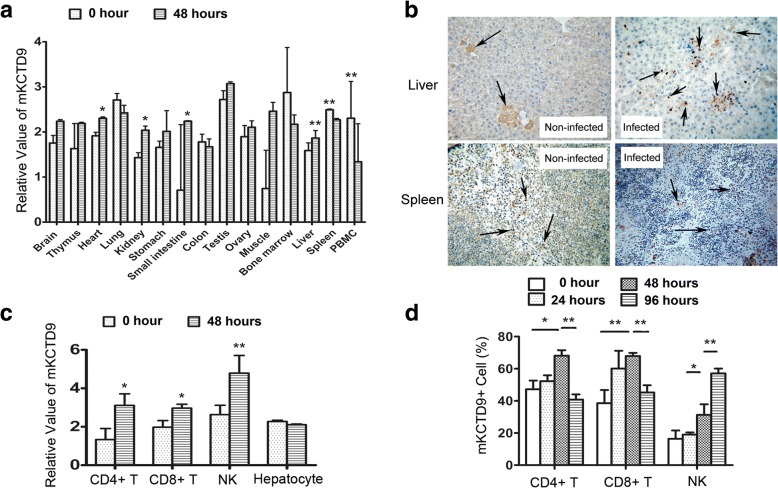
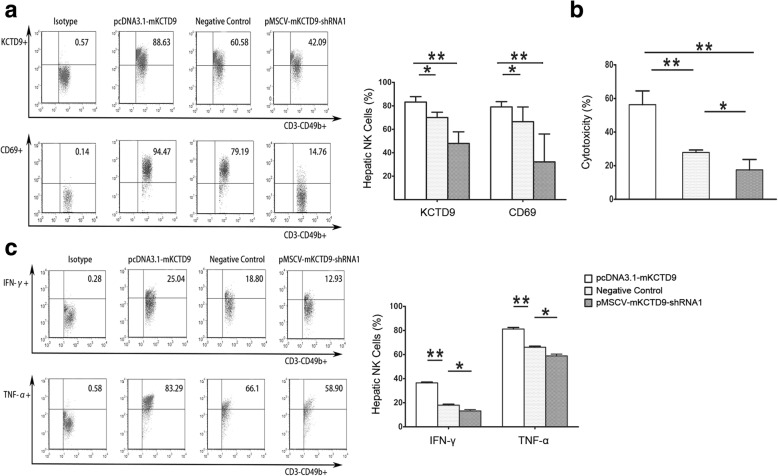
Potassium channel tetramerisation domain containing 9 (KCTD9), a member of KCTD family with a DNA-like pentapeptide repeat domain, was found to be increased particularly in NK cells of patients with HBV-induced acute-on-chronic liver failure (HBV-ACLF) and experimental viral fulminant hepatitis. Knockdown of KCTD9 in immortalized NK cells inhibits cytokines production and cytotoxicity. As NK cell activation was shown to exacerbate liver damage in viral fulminant hepatitis, we propose that target inhibition of KCTD9 may prohibit NK cells activity and thus ameliorate liver damage in viral fulminant hepatitis.
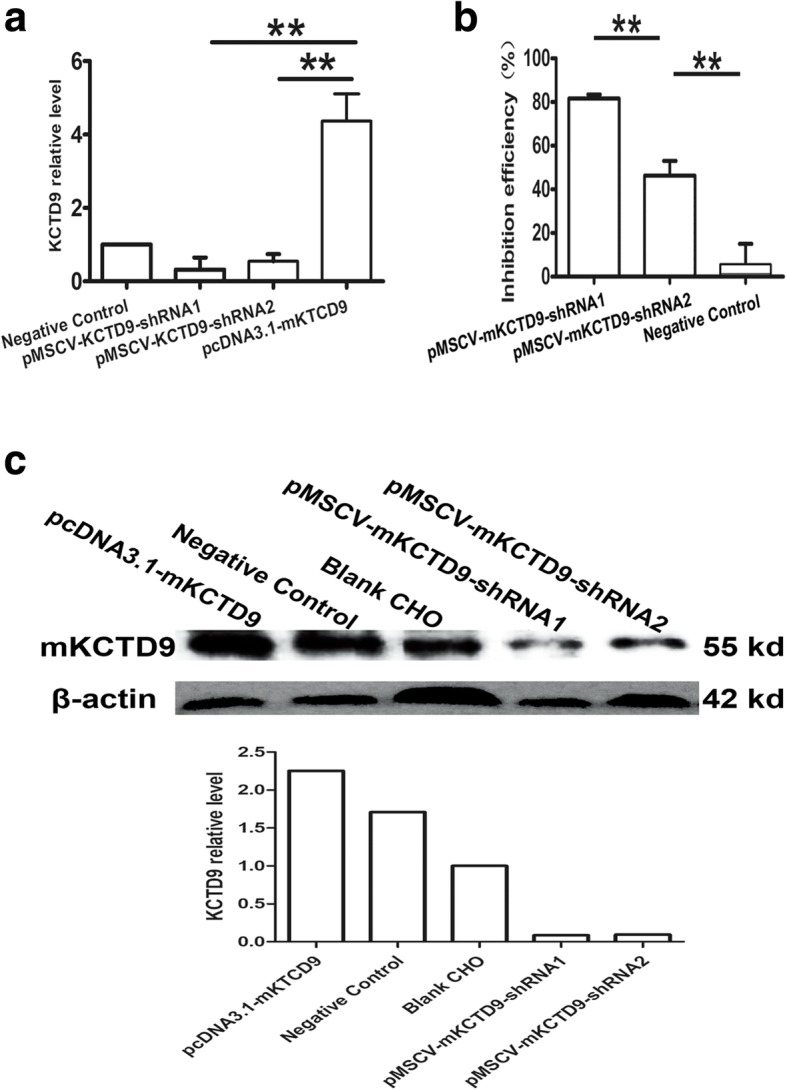
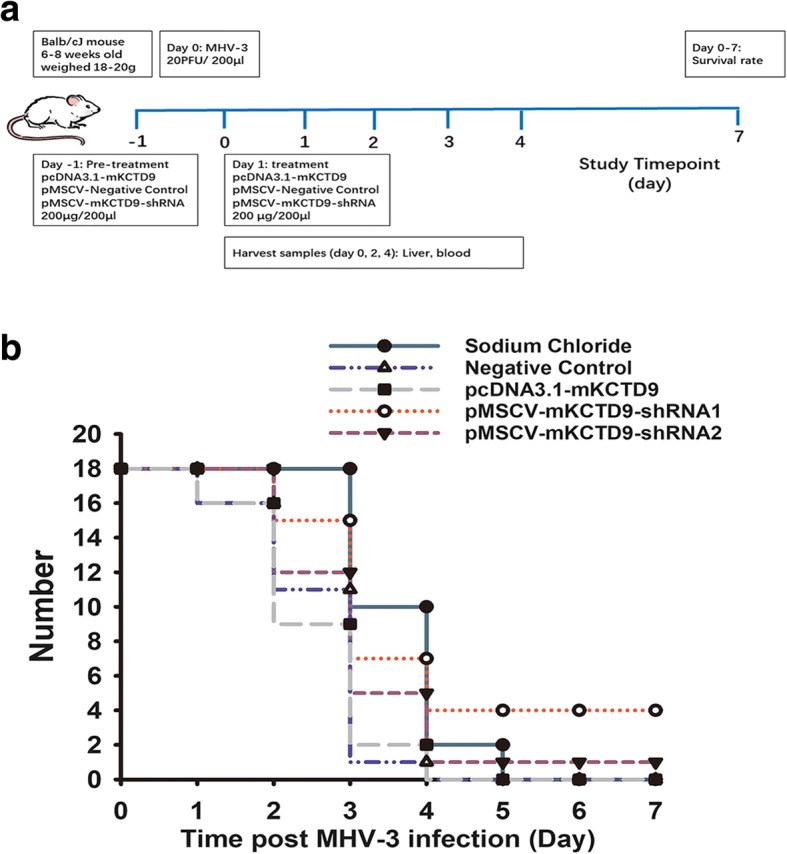
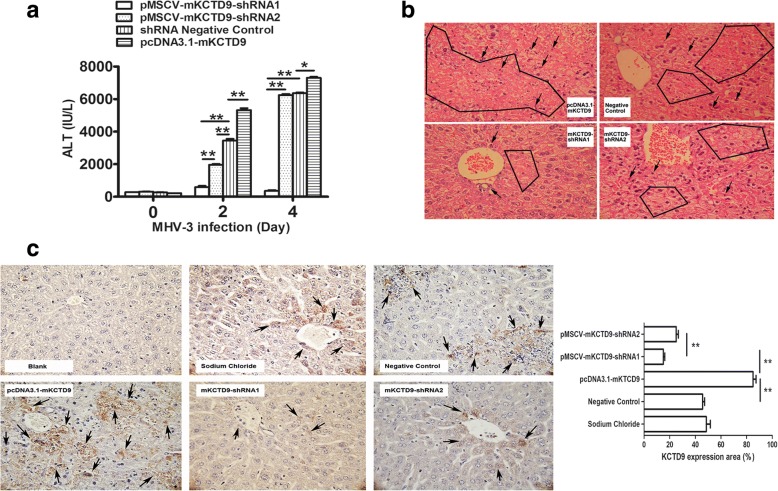
Hydrodynamic delivery of plasmid expressing short-hairpin RNA against KCTD9 resulted in impaired NK cells function as demonstrated by reduced cytokine production and cytotoxicity, and ameliorated liver injury as manifested by improved liver histology and survival rate. In contrast, delivery of plasmid expressing KCTD9 led to deteriorated disease progression.
Interference with KCTD9 expression exert beneficial effect in viral fulminant hepatitis therapy. Such effect may be mediated by impairment of NK cell activation.
钾通道四聚体结构域包含 9(KCTD9)是 KCTD 家族的一个成员,具有 DNA 样五肽重复结构域,在乙型肝炎病毒(HBV)诱导的慢加急性肝衰竭(HBV-ACLF)和实验性病毒性暴发性肝炎患者的 NK 细胞中表达增加尤为明显。在永生化 NK 细胞中敲低 KCTD9 可抑制细胞因子的产生和细胞毒性。由于 NK 细胞的激活被证明会加重病毒性暴发性肝炎中的肝损伤,我们假设靶向抑制 KCTD9 可能会阻止 NK 细胞的活性,从而改善病毒性暴发性肝炎中的肝损伤。
通过质粒表达短发夹 RNA 对 KCTD9 的水力传递导致 NK 细胞功能受损,表现为细胞因子产生和细胞毒性减少,并改善肝损伤,表现为肝组织学改善和生存率提高。相比之下,表达 KCTD9 的质粒的传递导致疾病进展恶化。
干扰 KCTD9 的表达在病毒性暴发性肝炎的治疗中具有有益的效果。这种效果可能是通过抑制 NK 细胞的激活来介导的。