School of Nursing, Third Military Medical University, Chongqing 400038, China.
Department of Developmental Neuropsychology, School of Psychology, Third Military Medical University, Chongqing 400038, China.
Int J Nanomedicine. 2018 Jun 22;13:3593-3608. doi: 10.2147/IJN.S160828. eCollection 2018.
Silica nanoparticles (SiO-NPs) are currently among the most widely used nanomaterials, but their potentially adverse effects on brain development remain unknown. The developing brain is extremely sensitive to NP neurotoxicity during the early postnatal period.
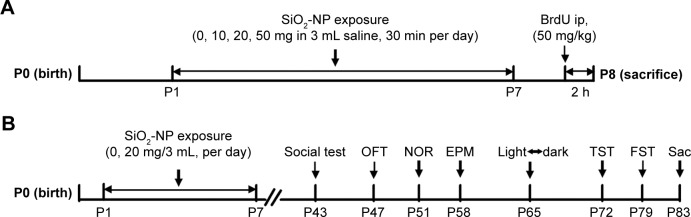
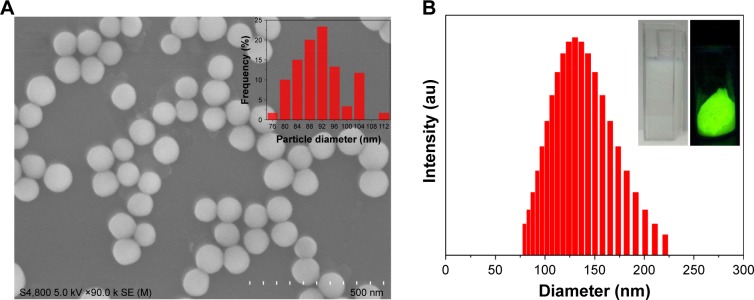
Herein, we investigated the effects of SiO-NPs (doses of 10, 20, or 50 mg with a particle size of ~91 nm, equivalent to aerosol mass concentrations 55.56, 111.11, and 277.78 mg/m, respectively) exposure from postnatal day (P) 1 to P7 on hippocampal precursor proliferation at P8 and long-term neurobehavior in adults.
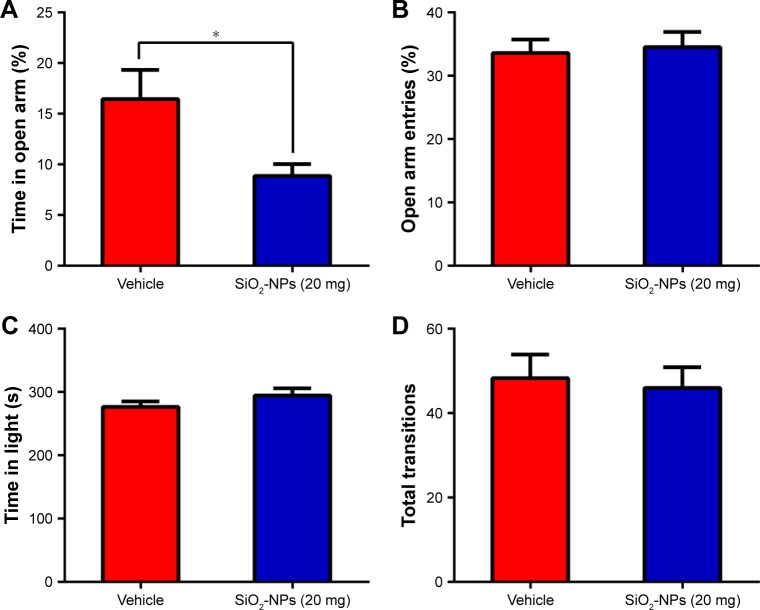
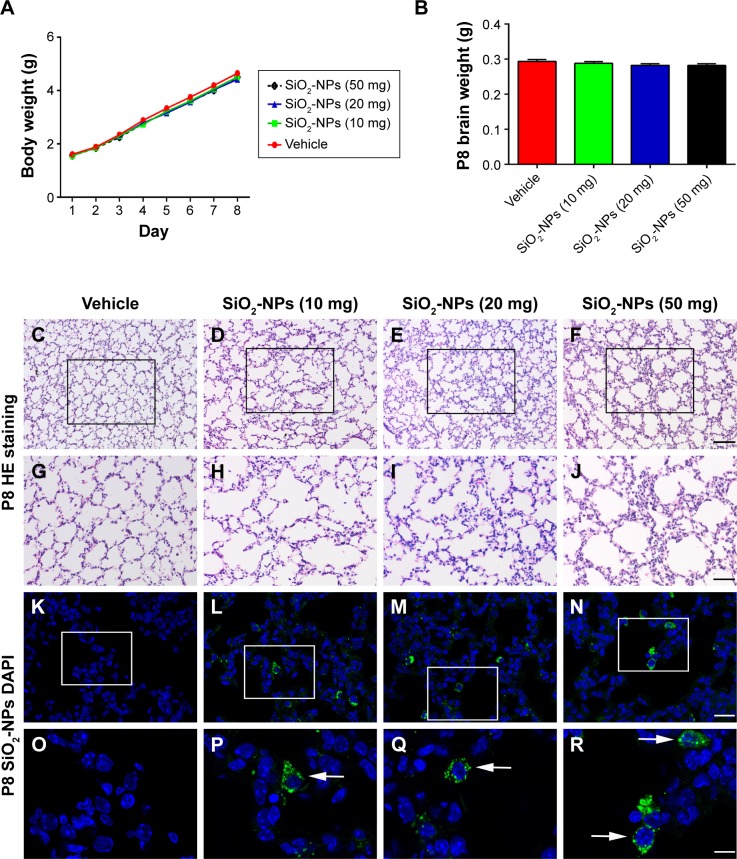
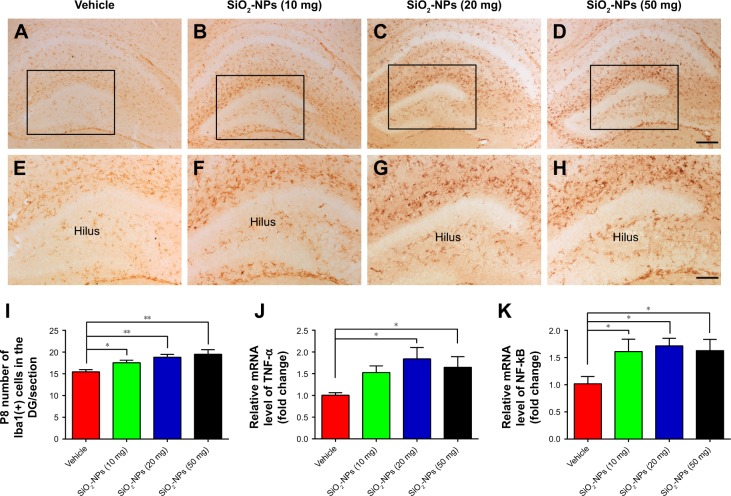
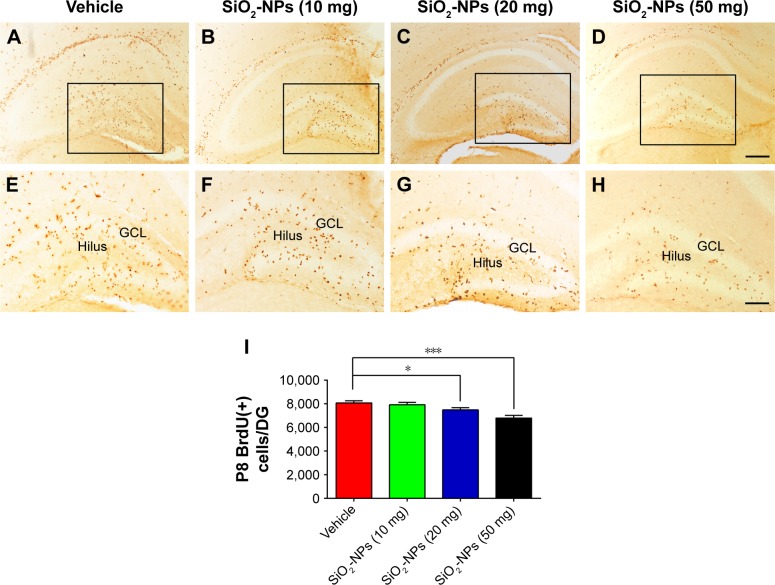
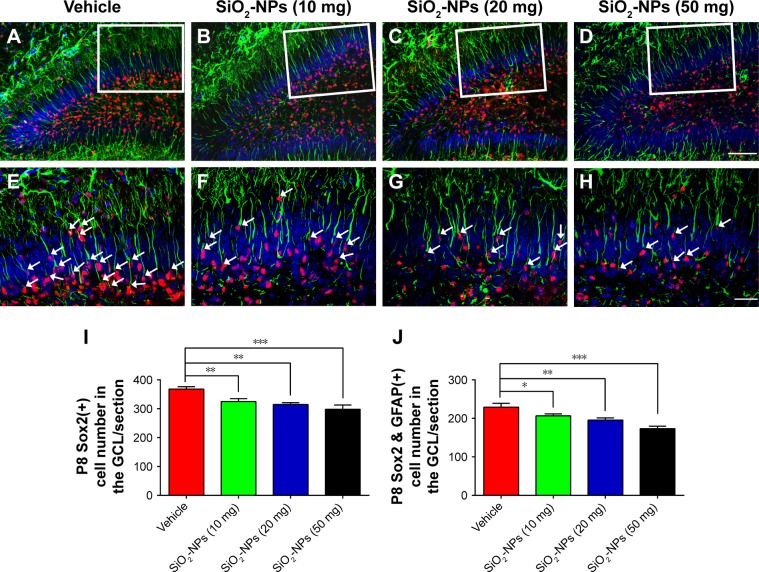
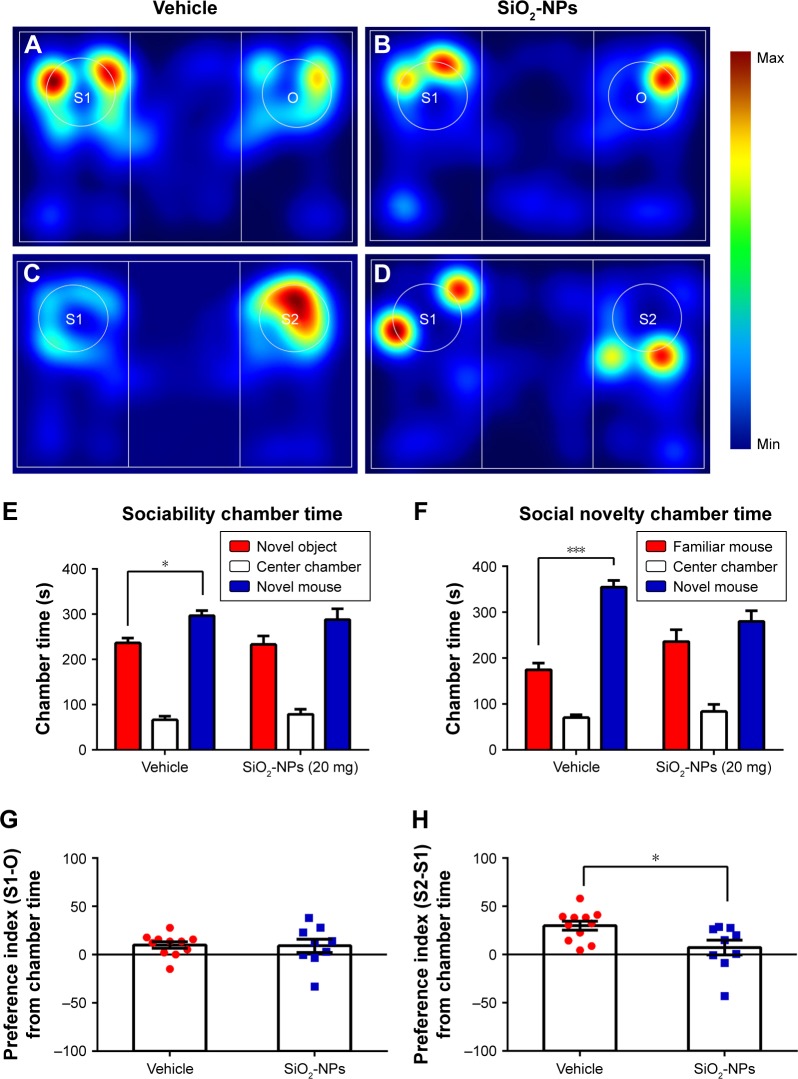
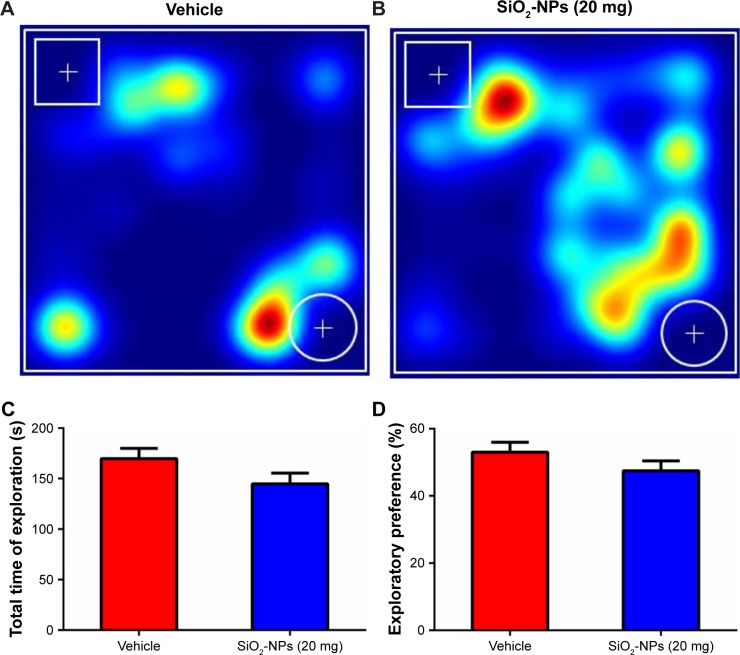
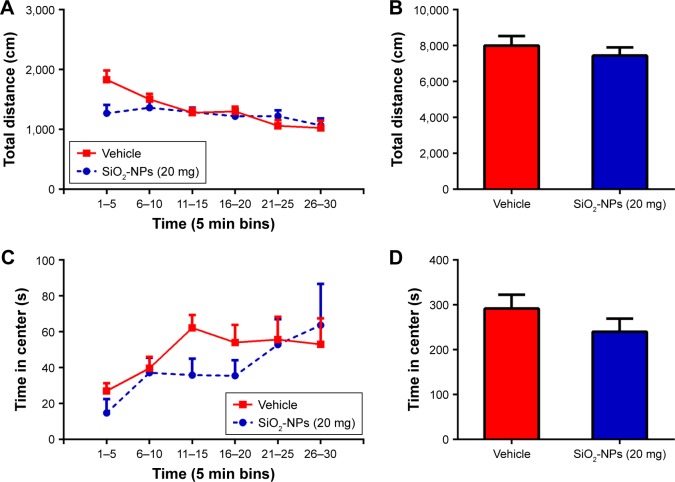
SiO-NP exposure resulted in inflammatory cell infiltration in lung tissue, microglia over-activation in the hippocampal dentate gyrus (DG), and decreased hippocampal precursor proliferation in the DG-subgranular zone at P8. Moreover, after exposure to 20 mg of SiONPs, mice exhibited social interaction deficits and slight anxiety-like behaviors in adulthood, but this exposure did not induce locomotor activity impairment, depression-like behavior, or short-term memory impairment.
These findings suggest that early-age SiO-NP exposure induced inflammation and inhibited precursor proliferation in the DG in a dose-dependent manner, which might be related to the social dysfunction observed in adulthood.
二氧化硅纳米颗粒(SiO-NPs)是目前应用最广泛的纳米材料之一,但它们对大脑发育的潜在不良影响尚不清楚。在出生后的早期阶段,发育中的大脑对 NP 神经毒性极其敏感。
在此,我们研究了从出生后第 1 天到第 7 天(P)暴露于 SiO-NPs(剂量分别为 10、20 或 50mg,粒径约为 91nm,分别相当于气溶胶质量浓度 55.56、111.11 和 277.78mg/m)对 P8 海马前体细胞增殖和成年后长期神经行为的影响。
SiO-NP 暴露导致肺组织炎症细胞浸润、海马齿状回(DG)小胶质细胞过度激活以及 DG-颗粒下层区海马前体细胞增殖减少。此外,在暴露于 20mg 的 SiONPs 后,成年小鼠表现出社交互动缺陷和轻微的焦虑样行为,但这种暴露不会导致运动活动障碍、抑郁样行为或短期记忆障碍。
这些发现表明,早期 SiO-NP 暴露以剂量依赖的方式诱导 DG 中的炎症和前体细胞增殖抑制,这可能与成年期观察到的社交功能障碍有关。