Key Laboratory of Sugarcane Biology and Genetic Breeding, Fujian Agriculture and Forestry University, Ministry of Agriculture, Fuzhou 350002, China.
USDA-ARS, Southeast Area, Sugarcane Research Unit, Houma, LA 70360, USA.
Biomed Res Int. 2018 May 23;2018:2786458. doi: 10.1155/2018/2786458. eCollection 2018.
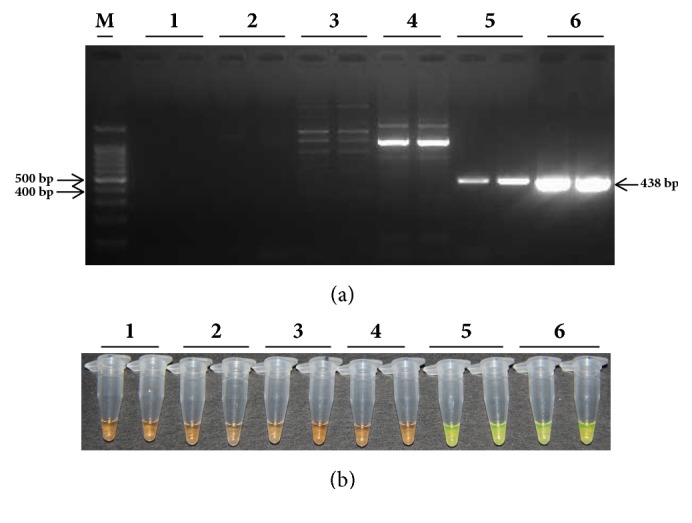
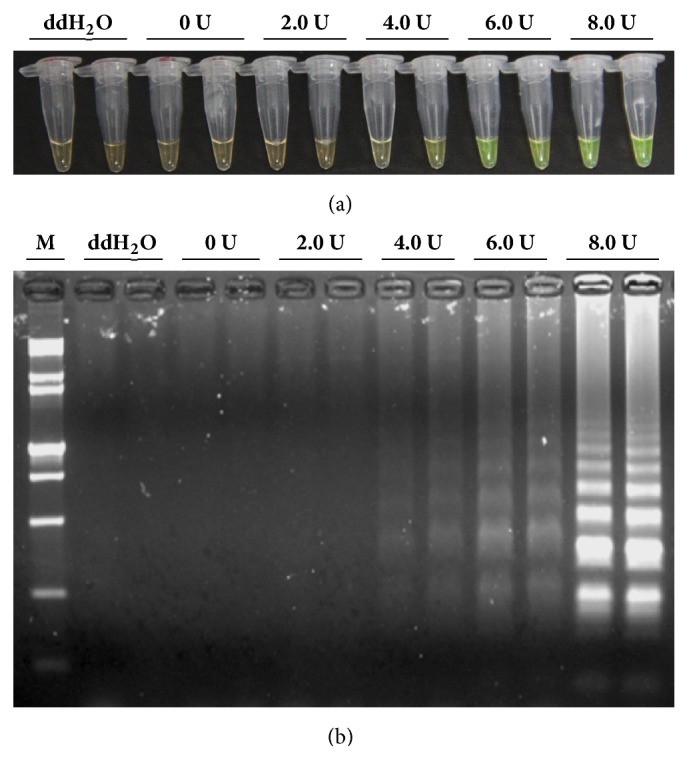
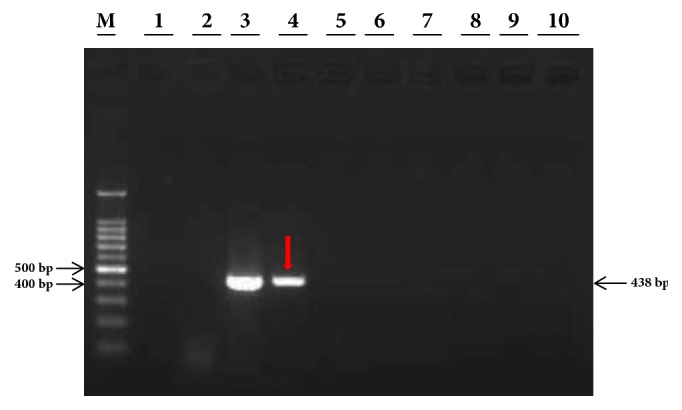
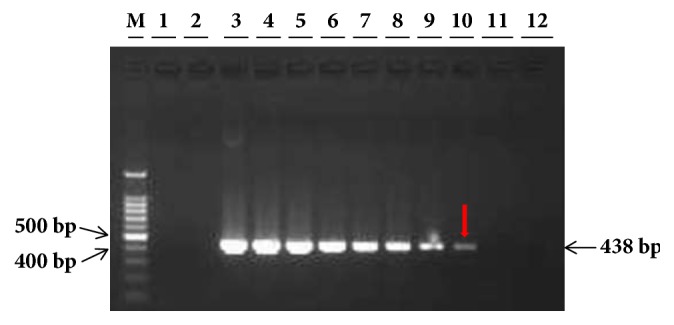
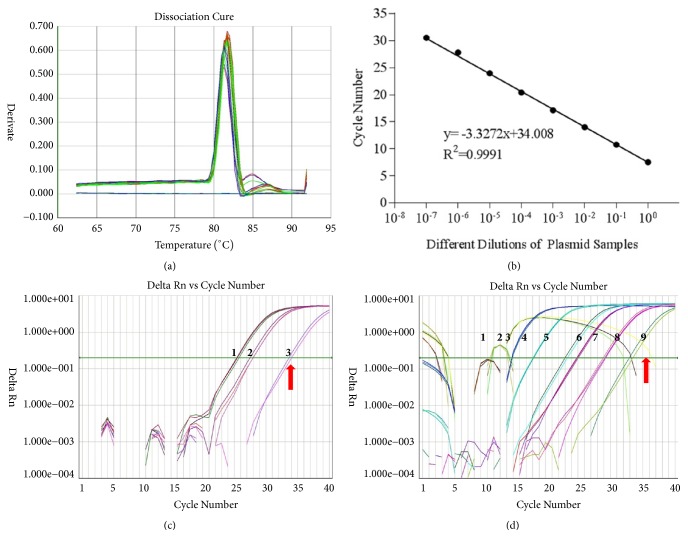
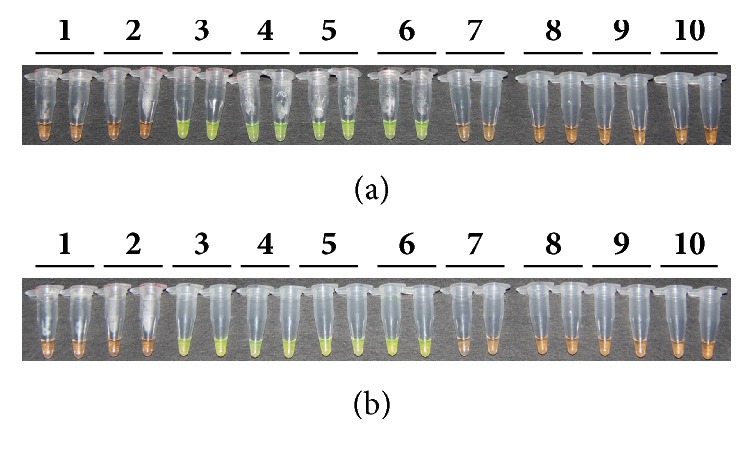
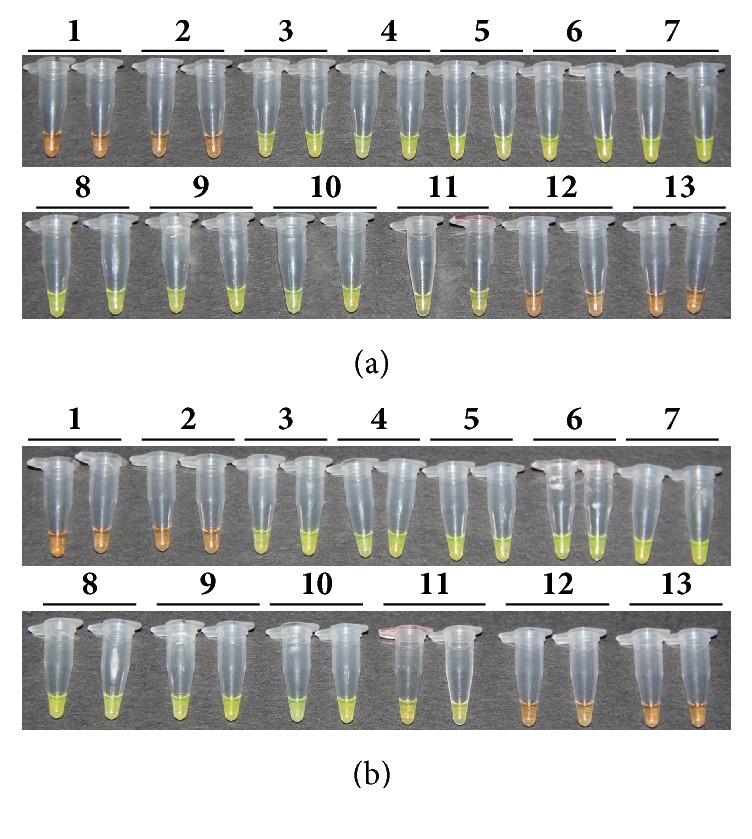
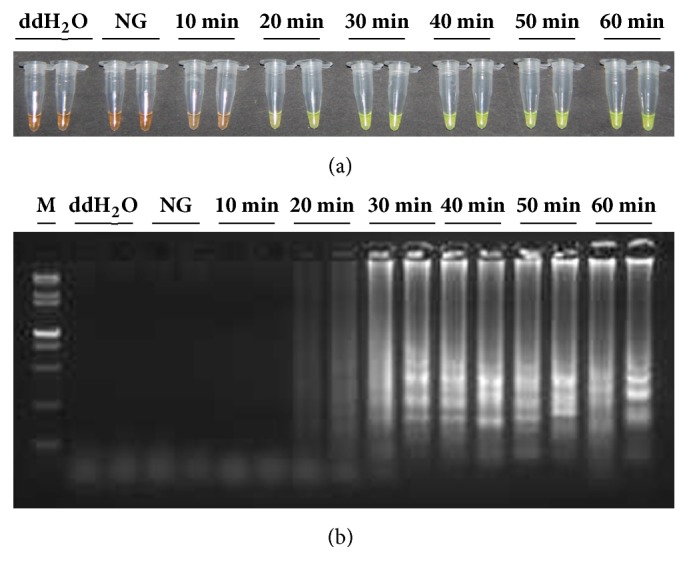
The ratoon stunting disease (RSD), caused by the bacterium subsp (), is one of the most economically devastating diseases impacting sugarcane. RSD causes significant yield losses and variety degradation. Diagnosis of RSD is challenging because it does not exhibit any discernible internal and external symptoms. Moreover, the bacteria are very small and difficult to isolate, cultivate, and detect. In this study, conventional polymerase chain reaction (PCR), real-time quantitative PCR (RT-qPCR), and -loop-mediated isothermal amplification (-LAMP) were utilized to specifically detect the presence of pathogens in the juice from -infected sugarcane stalks and an -pMD18-T recombinant plasmid. The results showed that was a highly specific causal pathogen for RSD. All three techniques provided great reproducibility, while -LAMP had the highest sensitivity. When the DNA extract from -infected sugarcane juice was used as a template, -LAMP was 10 and 100 times more sensitive than RT-qPCR and conventional PCR, respectively. When the -pMD18-T recombinant plasmid was used as a template, -LAMP was as sensitive as RT-qPCR but was 10 times more sensitive than conventional PCR. Based on the -LAMP detection system established, adding 0.4 M loop primers (LF/LP) can accelerate the reaction and reduce the total time required. In addition, the optimal amount of DNA polymerase for -LAMP reactions was determined to be 6.0 U. The results provide technical support for the detection of RSD pathogen that will help manage sugarcane RSD.
甘蔗丛矮缩病(RSD)由细菌 subsp. 引起,是对甘蔗影响最严重的经济破坏性疾病之一。RSD 会导致严重的产量损失和品种退化。由于该病没有明显的内部和外部症状,因此诊断具有挑战性。此外,细菌非常小,难以分离、培养和检测。在本研究中,采用常规聚合酶链反应(PCR)、实时定量 PCR(RT-qPCR)和环介导等温扩增(-LAMP)技术,特异性检测感染甘蔗茎汁液中的 病原体和 pMD18-T 重组质粒中的 。结果表明, 是 RSD 的高度特异性致病病原体。所有三种技术均具有很好的重现性,而 -LAMP 的灵敏度最高。当用作模板的是来自感染甘蔗汁的 DNA 提取物时,-LAMP 的灵敏度分别比 RT-qPCR 和常规 PCR 高 10 倍和 100 倍。当用作模板的是 -pMD18-T 重组质粒时,-LAMP 的灵敏度与 RT-qPCR 相当,但比常规 PCR 高 10 倍。基于建立的 -LAMP 检测系统,添加 0.4 M 环引物(LF/LP)可以加速反应并减少所需的总时间。此外,还确定了 -LAMP 反应中最适的 DNA 聚合酶用量为 6.0 U。该结果为 RSD 病原体的检测提供了技术支持,有助于管理甘蔗 RSD。