Gonzalez Paul, Jiang Jeffrey Z, Lowe Christopher J
1Hopkins Marine Station, Department of Biology, Stanford University, 120 Ocean View Boulevard, Pacific Grove, CA 93950 USA.
2Department of Chemistry, University of Pennsylvania, 231 South 34th Street, Philadelphia, PA 19104 USA.
Front Zool. 2018 Jun 20;15:26. doi: 10.1186/s12983-018-0270-0. eCollection 2018.
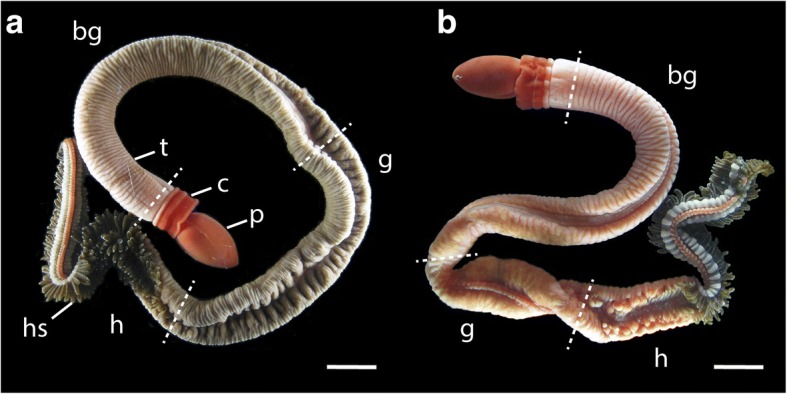
Enteropneusts are benthic marine invertebrates that belong to the deuterostome phylum Hemichordata. The two main clades of enteropneusts are defined by differences in early life history strategies. In the Spengelidae and Ptychoderidae, development is indirect via a planktotrophic tornaria larva. In contrast, development in the Harrimanidae is direct without an intervening larval life history stage. Most molecular studies in the development and evolution of the enteropneust adult body plan have been carried out in the harrimanid . In order to compare these two developmental strategies, we have selected the spengelid enteropneust as a suitable indirect developing species for molecular developmental studies. Here we describe the methods for adult collecting, spawning and larval rearing in , and describe embryogenesis, larval development, and metamorphosis, using light microscopy, immunocytochemistry and confocal microscopy.
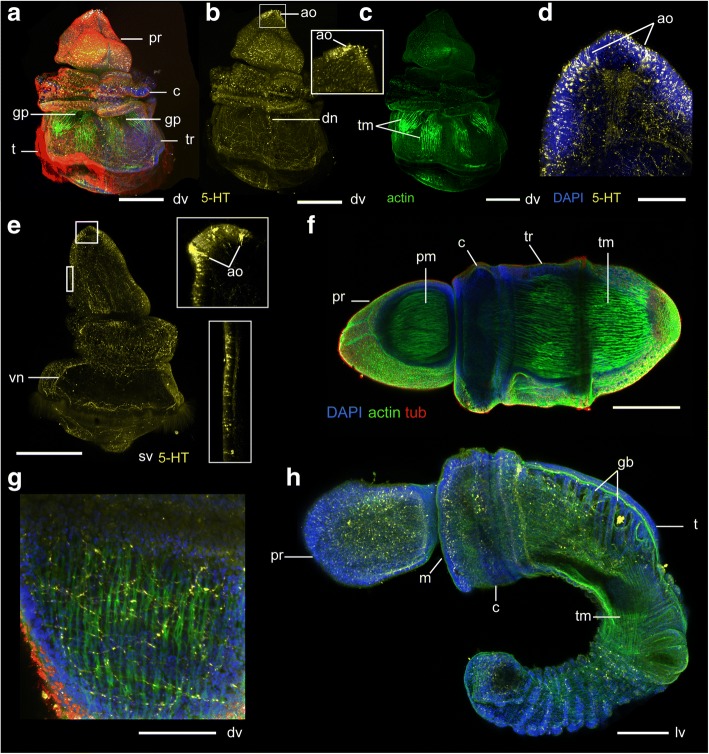
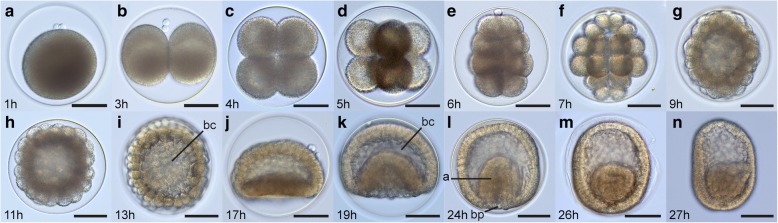
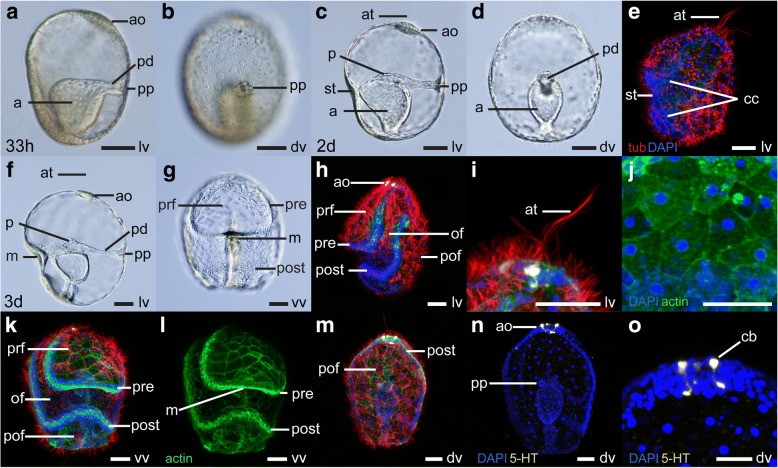
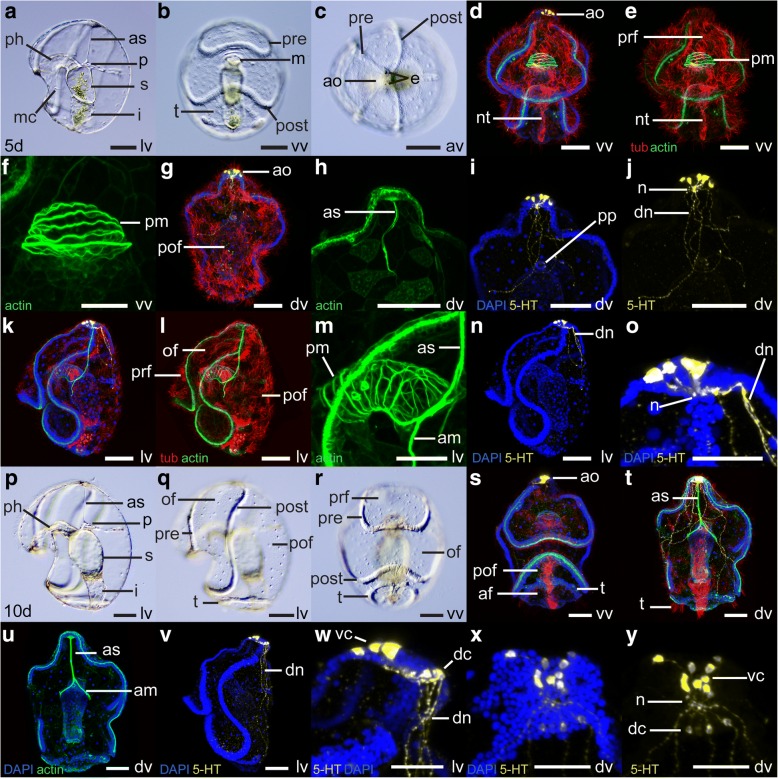
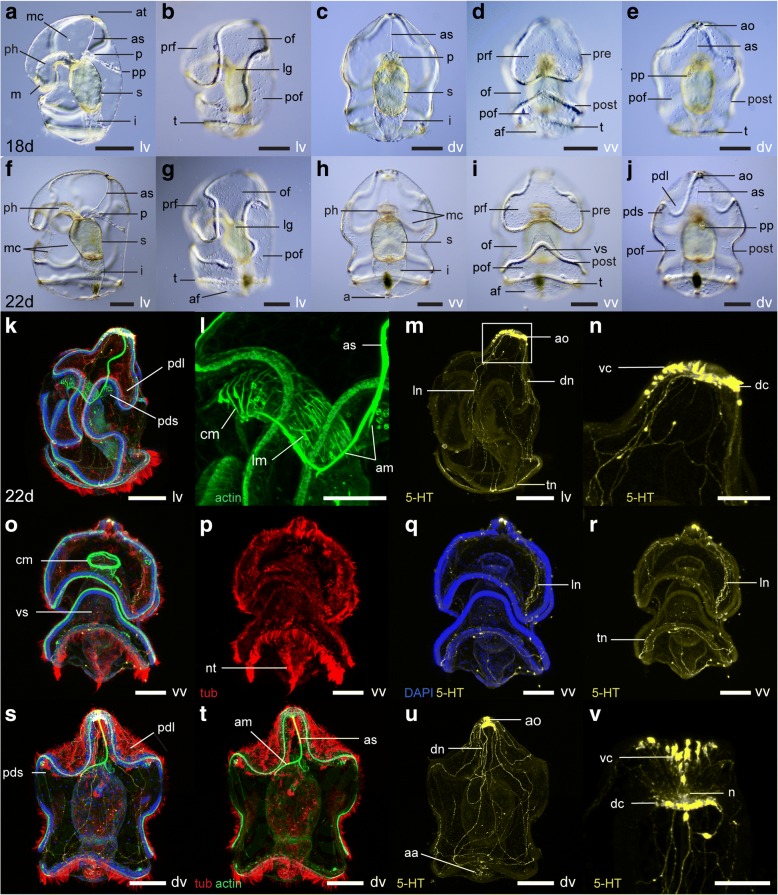
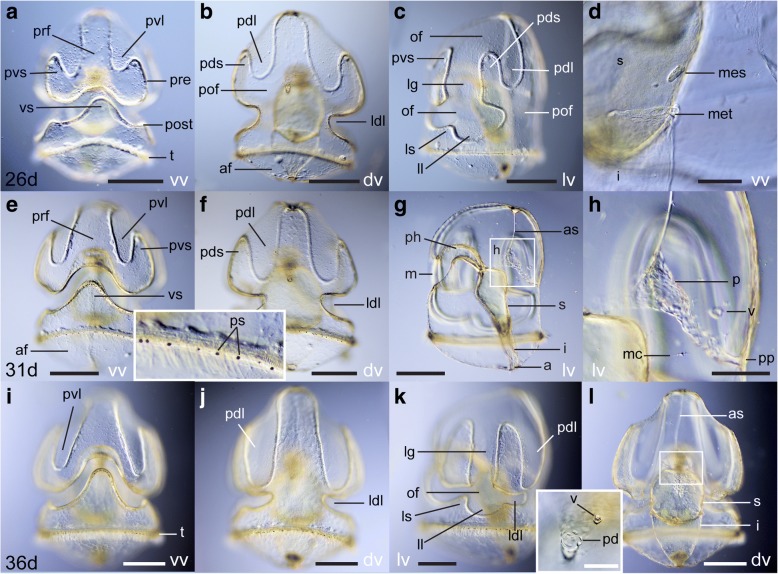
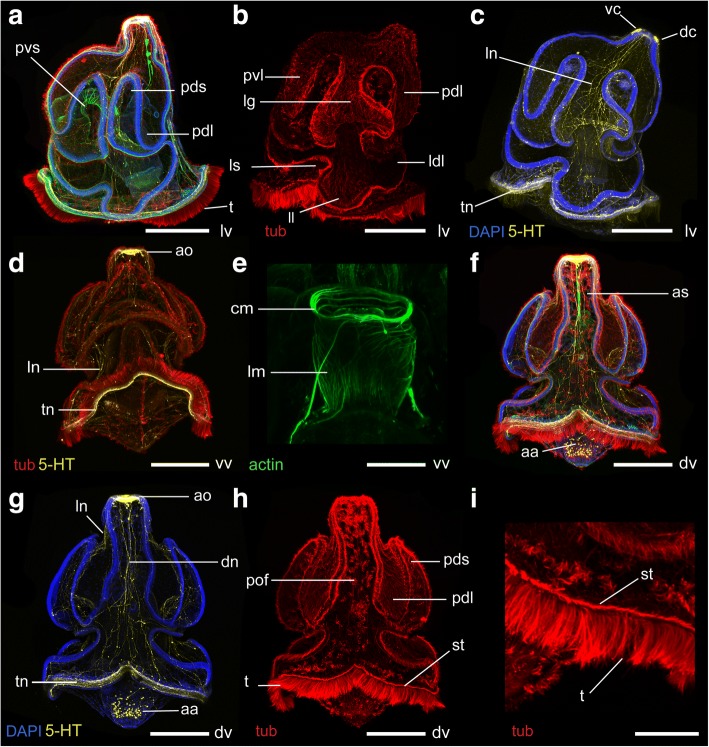
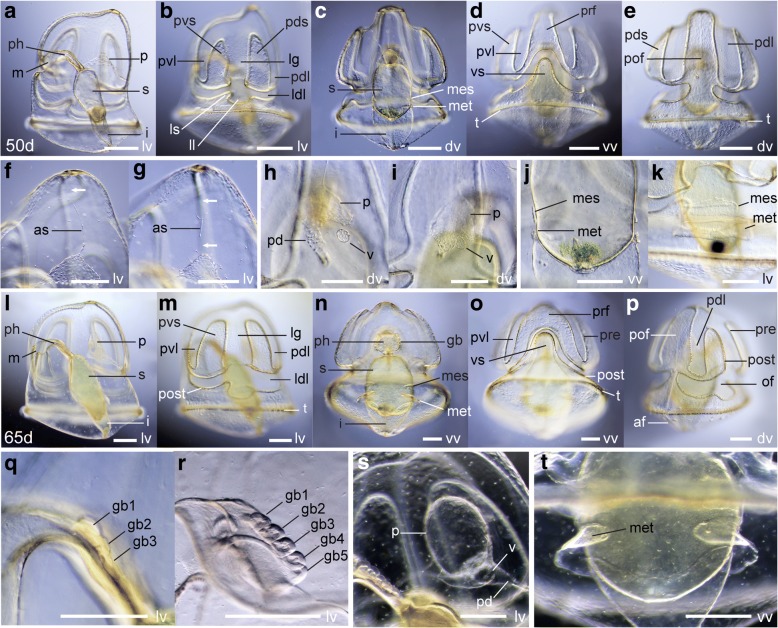
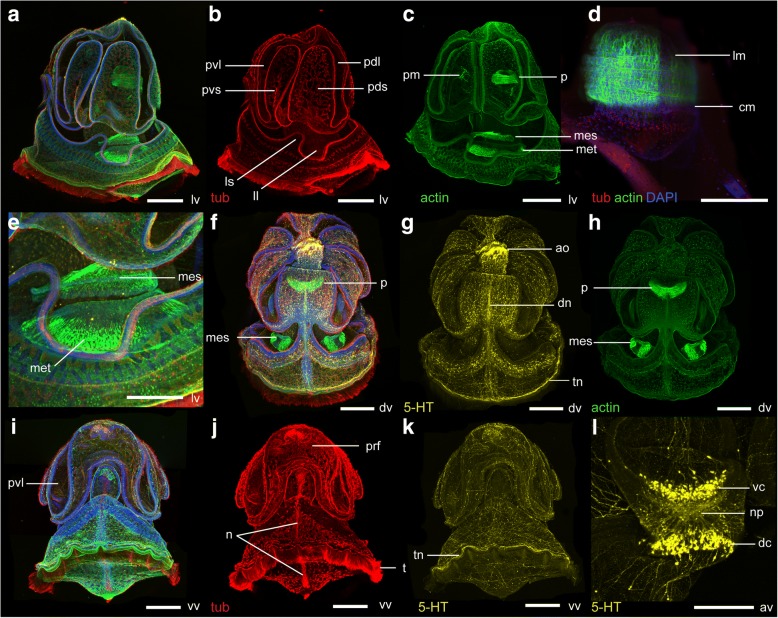
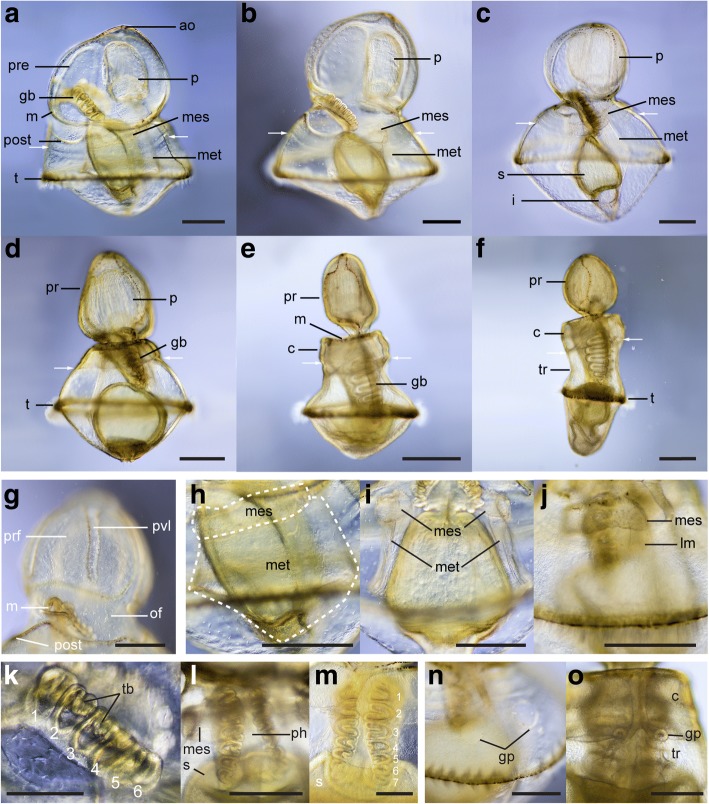
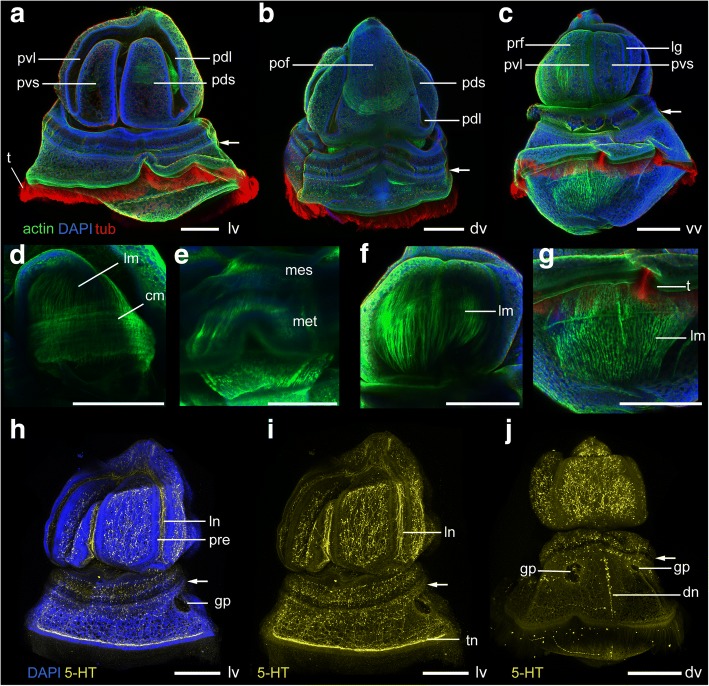
Adult reproductive individuals can be collected intertidally and almost year-round. Spawning can be triggered by heat shock and large numbers of larvae can be reared through metamorphosis under laboratory conditions. Gastrulation begins at 17 h post-fertilization (hpf) and embryos hatch at 26 hpf as ciliated gastrulae. At 3 days post-fertilization (dpf), the tornaria has a circumoral ciliary band, mouth, tripartite digestive tract, protocoel, larval muscles and a simple serotonergic nervous system. The telotroch develops at 5 dpf. In the course of 60 days, the serotonergic nervous system becomes more elaborate, the posterior coeloms develop, and the length of the circumoral ciliary band increases. At the end of the larval stage, larval muscles disappear, gill slits form, and adult muscles develop. Metamorphosis occurs spontaneously when the larva reaches its maximal size (ca. 3 mm), and involves loss and reorganization of larval structures (muscles, nervous system, digestive tract), as well as development of adult structures (adult muscles, tripartite body organization).
This study will enable future research in to address long standing questions related to the evolution of axial patterning mechanisms, germ layer induction, neurogenesis and neural patterning, the mechanisms of metamorphosis, the relationships between larval and adult body plans, and the evolution of metazoan larval forms.
肠鳃纲动物是底栖海洋无脊椎动物,属于后口动物门半索动物门。肠鳃纲动物的两个主要分支是由早期生活史策略的差异定义的。在柱头虫科和玉钩虫科中,发育是通过浮游性的柱头幼虫进行间接发育。相比之下,哈氏肠鳃科的发育是直接的,没有中间的幼虫生活史阶段。大多数关于肠鳃纲成体体型发育和进化的分子研究都是在哈氏肠鳃科中进行的。为了比较这两种发育策略,我们选择了柱头虫科肠鳃纲动物作为分子发育研究中合适的间接发育物种。在这里,我们描述了成体采集、产卵和幼虫饲养的方法,并使用光学显微镜、免疫细胞化学和共聚焦显微镜描述了胚胎发生、幼虫发育和变态过程。
成年生殖个体几乎全年都可以在潮间带采集到。热休克可以触发产卵,并且在实验室条件下大量幼虫可以发育至变态。原肠胚形成在受精后17小时(hpf)开始,胚胎在26 hpf时以具纤毛的原肠胚形式孵化。在受精后3天(dpf),柱头幼虫有口周纤毛带、口、三分体消化道、原腔、幼虫肌肉和简单的5-羟色胺能神经系统。端纤毛轮在5 dpf时发育。在60天的过程中,5-羟色胺能神经系统变得更加复杂,后体腔发育,口周纤毛带的长度增加。在幼虫阶段末期,幼虫肌肉消失,鳃裂形成,成体肌肉发育。当幼虫达到最大尺寸(约3毫米)时,变态自发发生,涉及幼虫结构(肌肉、神经系统、消化道)的丧失和重组,以及成体结构(成体肌肉、三分体身体组织)的发育。
本研究将使未来对柱头虫科的研究能够解决与轴向模式形成机制、胚层诱导、神经发生和神经模式形成、变态机制、幼虫和成体体型之间的关系以及后生动物幼虫形式的进化等长期存在的问题。