Yan Zhengwei, Chen Xianying, Wang Huiping, Chen Yaling, Chen Lihong, Wu Peilin, Wang Wei
Department of Hematology Department of Endocrinology, Southeast Hospital Affiliated to Xiamen University (the 175th Hospital of PLA), Zhangzhou, Fujian, China.
Medicine (Baltimore). 2018 Jul;97(27):e10310. doi: 10.1097/MD.0000000000010310.
Pre-transplantation serum ferritin (SF) has been considered to be a potential prognostic biomarker in patients undergoing allogeneic hematopoietic stem cell transplantation (allogeneic HSCT), but this conclusion remains controversial. Thus, we performed a meta-analysis to investigate the prognostic significance of pre-transplantation SF in patients undergoing allogeneic HSCT.
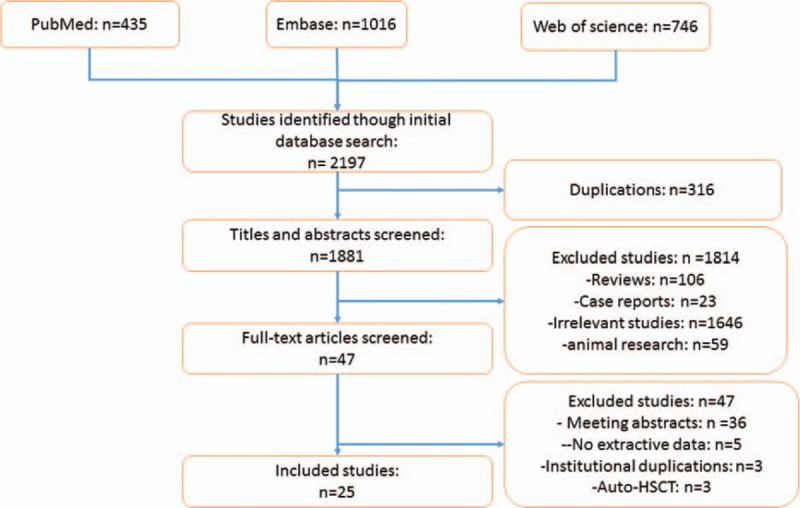
We systematically searched PubMed, Embase, and Web of Science up to September 2017, and finally identified a total of 25 eligible studies with 4545 patients.
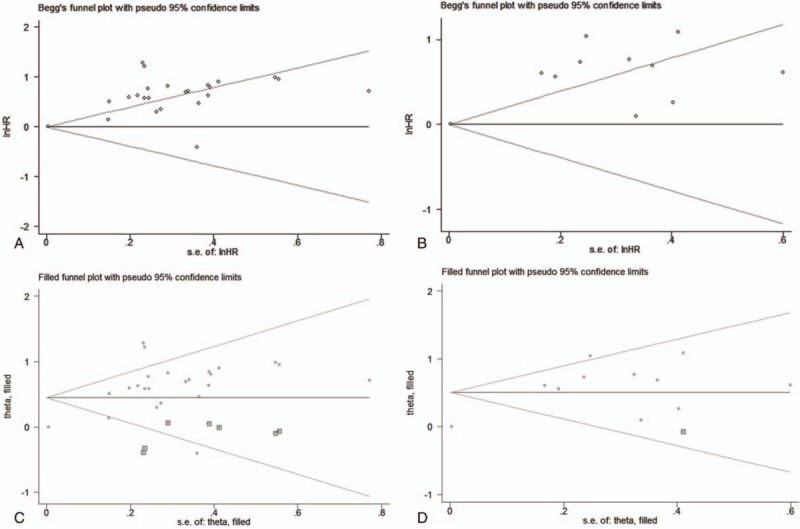
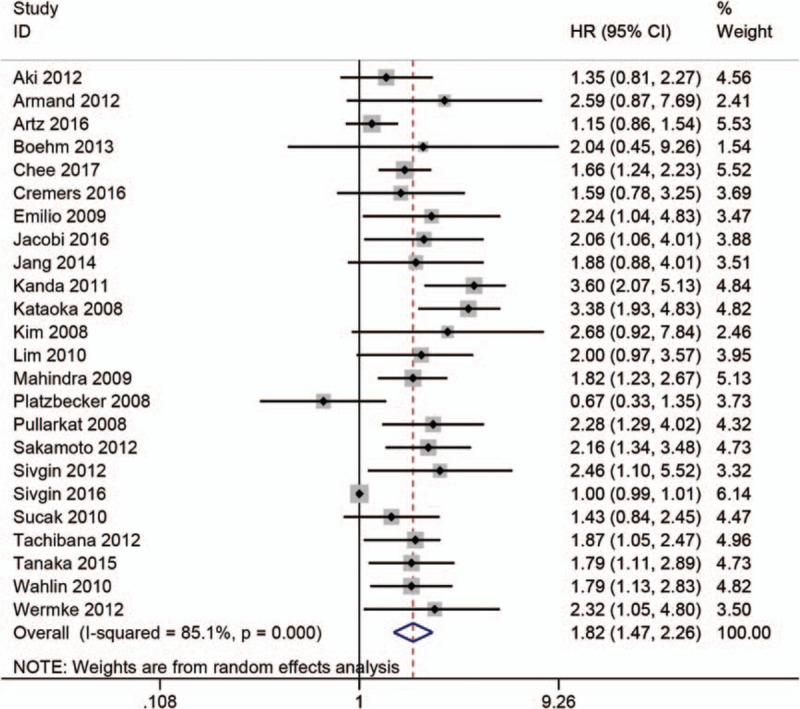
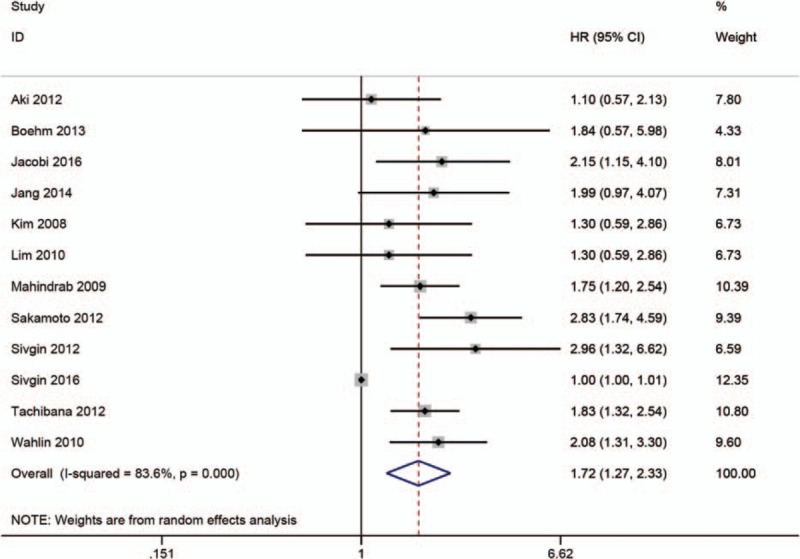
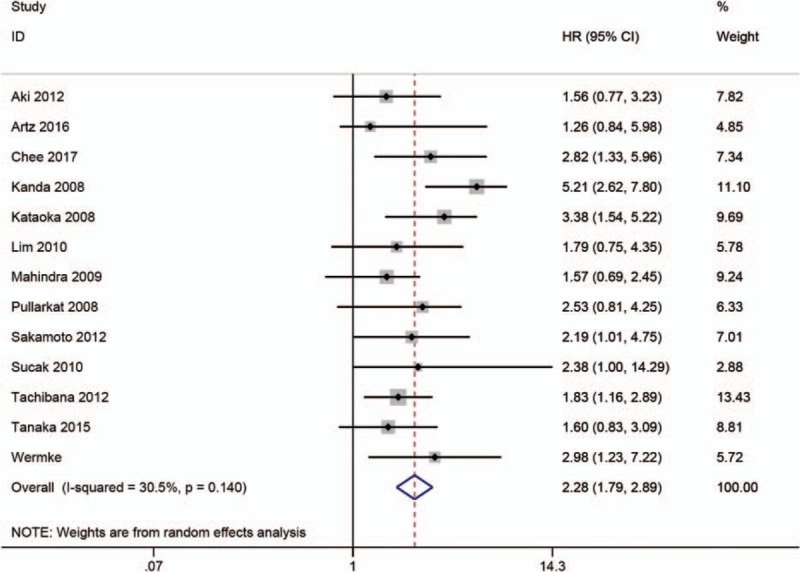
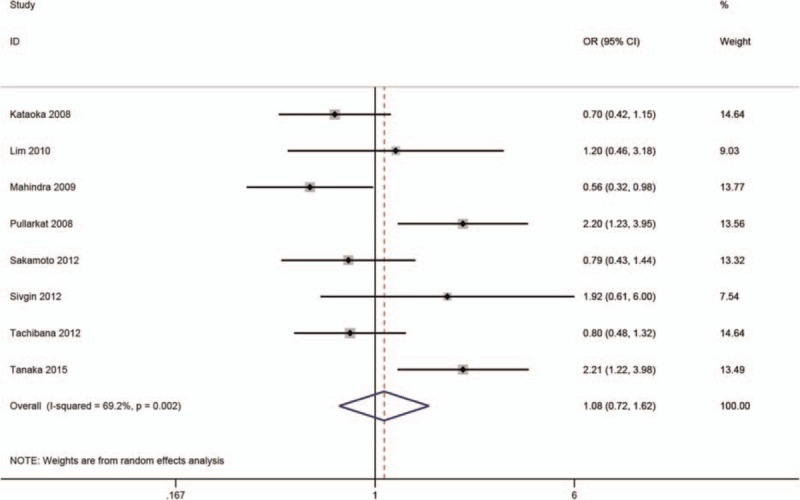
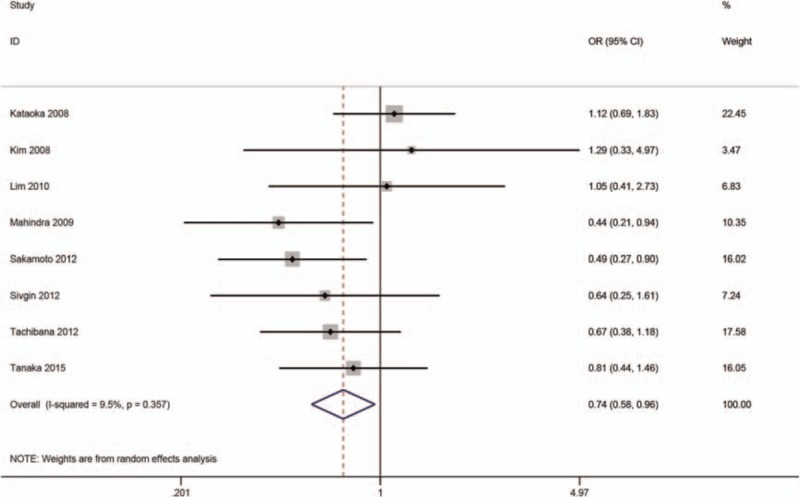
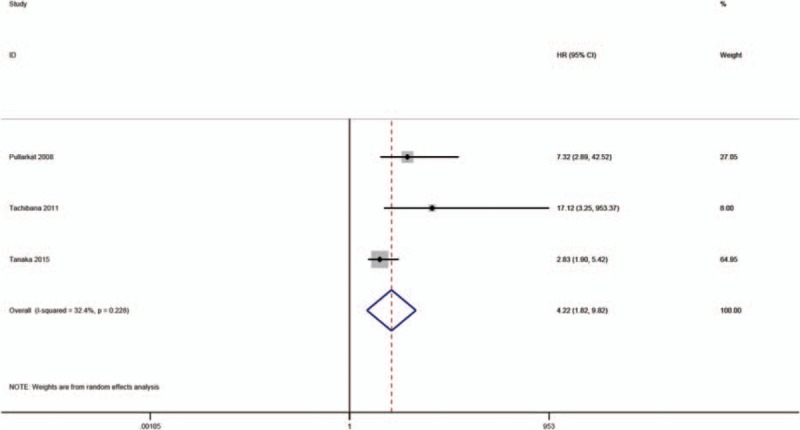
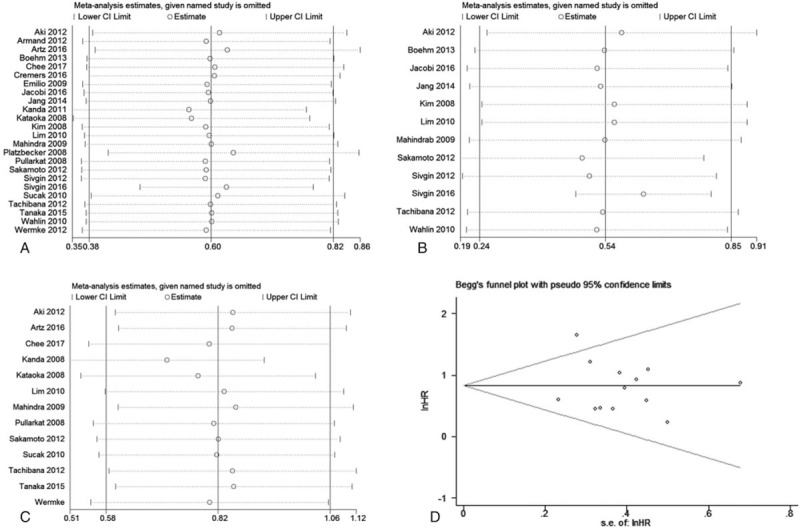
The pooled results of our meta-analysis showed that high pre-transplantation SF was markedly related to worse overall survival (OS) [hazard ratio (HR) = 1.82; 95% confidence interval (95% CI): 1.47-2.26; P < .001], nonrelapse mortality (NRM) (HR = 2.28; 95% CI: 1.79-2.89; P < .001), and progression-free survival (PFS) (HR = 1.72; 95% CI: 1.27-2.33; P < .001). In addition, high pre-transplantation SF was closely associated with a lower incidence of chronic graft versus host disease (cGVHD) (OR = 0.74, 95% CI: 0.58-0.96; P < .05), and a higher incidence of blood stream infections (BSIs) (OR = 1.67, 95% CI: 0.93-3.01; P = .09). However, no significance relationship was found between elevated pre-transplantation SF and acute graft versus host disease (aGVHD) (OR = 1.08, 95% CI:.72-1.62; P = .70).
In patients undergoing allogeneic HSCT for hematological malignancies, elevated pre-transplantation SF was significantly associated with worse OS and PFS, higher incidence of NRM and BSI, and lower incidence of cGVHD, but it had no effect on aGVHD. Considering the limitations in our meta-analysis, more prospective and homogeneous clinical studies are needed to further confirm our findings.
移植前血清铁蛋白(SF)被认为是接受异基因造血干细胞移植(异基因HSCT)患者的一种潜在预后生物标志物,但这一结论仍存在争议。因此,我们进行了一项荟萃分析,以研究移植前SF在接受异基因HSCT患者中的预后意义。
我们系统检索了截至2017年9月的PubMed、Embase和Web of Science,最终确定了25项符合条件的研究,共4545例患者。
我们荟萃分析的汇总结果显示,移植前SF水平高与总体生存率(OS)较差显著相关[风险比(HR)=1.82;95%置信区间(95%CI):1.47-2.26;P<.001]、非复发死亡率(NRM)(HR=2.28;95%CI:1.79-2.89;P<.001)和无进展生存期(PFS)(HR=1.72;95%CI:1.27-2.33;P<.001)。此外,移植前SF水平高与慢性移植物抗宿主病(cGVHD)发生率较低密切相关(OR=0.74,95%CI:0.58-0.96;P<.05),与血流感染(BSIs)发生率较高相关(OR=1.67,95%CI:0.93-3.01;P=.09)。然而,未发现移植前SF升高与急性移植物抗宿主病(aGVHD)之间存在显著关系(OR=1.08,95%CI:.72-1.62;P=.70)。
在接受异基因HSCT治疗血液系统恶性肿瘤的患者中,移植前SF升高与较差的OS和PFS、较高的NRM和BSIs发生率以及较低的cGVHD发生率显著相关,但对aGVHD无影响。考虑到我们荟萃分析的局限性,需要更多前瞻性和同质化的临床研究来进一步证实我们的发现。