Tianjin key laboratory of lung cancer metastasis and tumor microenvironment, Tianjin Lung Cancer Institute, Tianjin Medical University General Hospital, Anshan Road No.154, Heping District, Tianjin, 300052, China.
Department of Lung Cancer Surgery, Tianjin Medical University General Hospital, Anshan Road No.154, Heping District, Tianjin, 300052, China.
J Exp Clin Cancer Res. 2018 Jul 9;37(1):141. doi: 10.1186/s13046-018-0824-1.
Metastasis is the leading cause of cancer mortality and is a major hurdle for lung cancer treatment. Invadopodia, which are cancer-specific protrusive structures, play a crucial role in the metastatic cascade through degradation of the basement membrane and surrounding stroma. Cortactin, a critical component of invadopodia, frequently used as an invadopodia marker, a universally important player in invadopodia function, and is frequently overexpressed in cancer, but the exact mechanism of regulation is not yet fully understood.
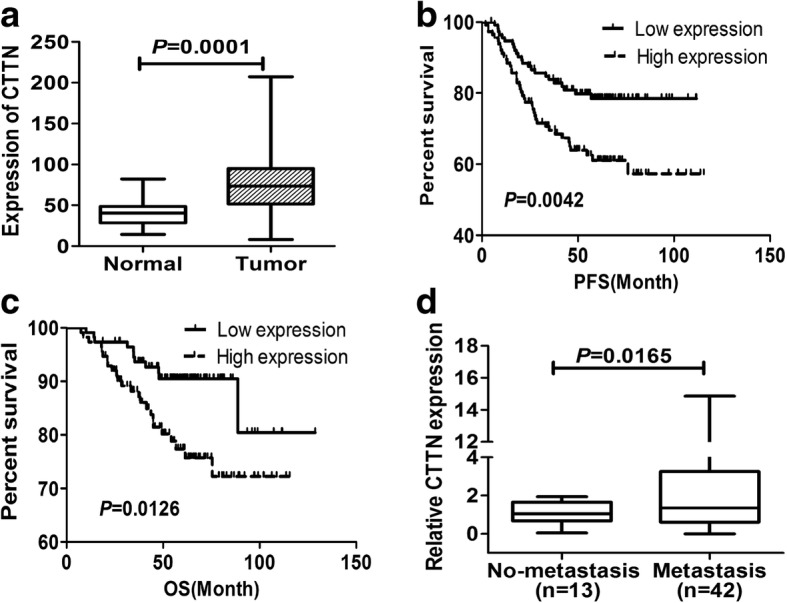
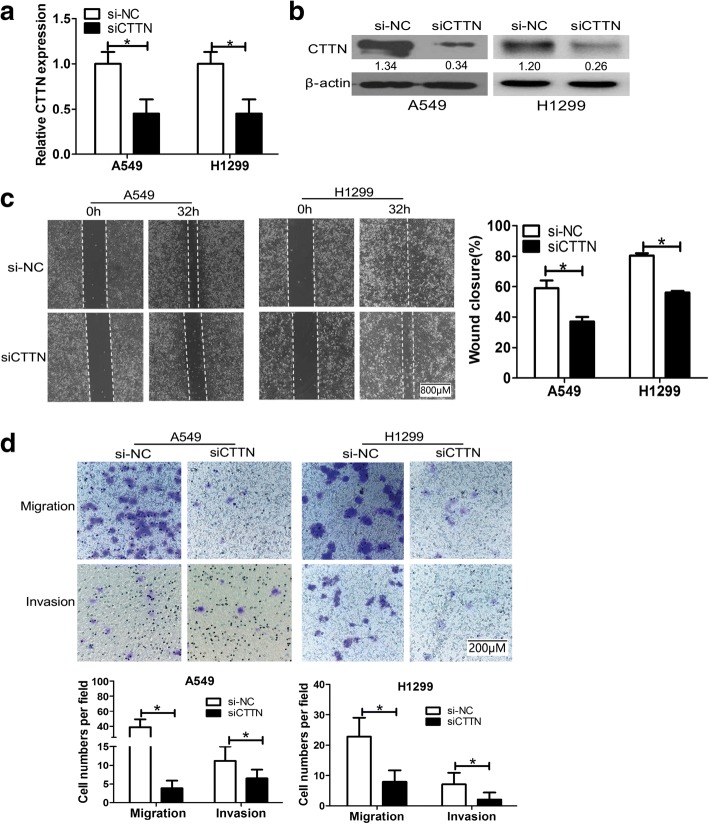
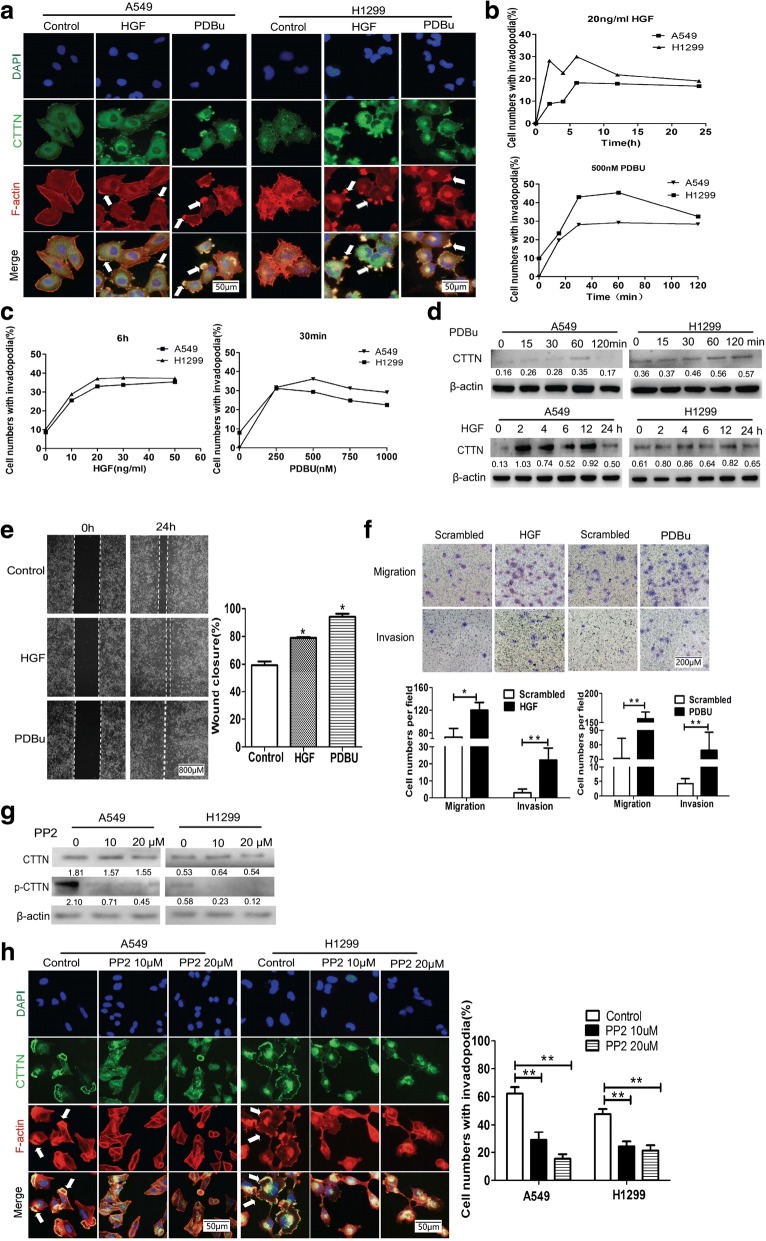
The expression level of CTTN in human non-small cell lung cancer (NSCLC) tissues was detected by qRT-PCR. Cell migration, invasion and invadopodia formation were assessed in vitro by wound-healing, transwell assay and immunofluorescence, respectively. The dual-luciferase reporter assay was used to identify the direct target of miR-182.
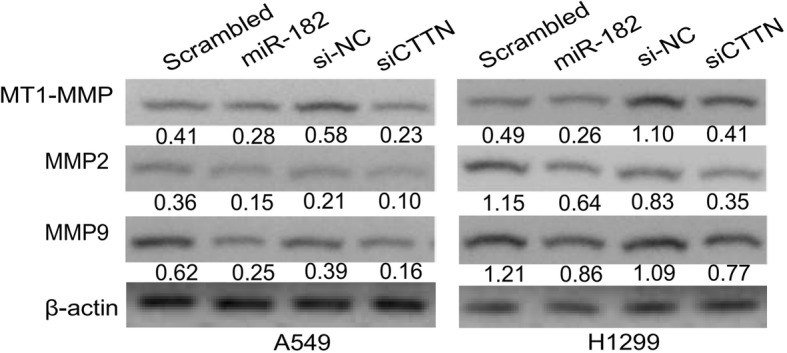
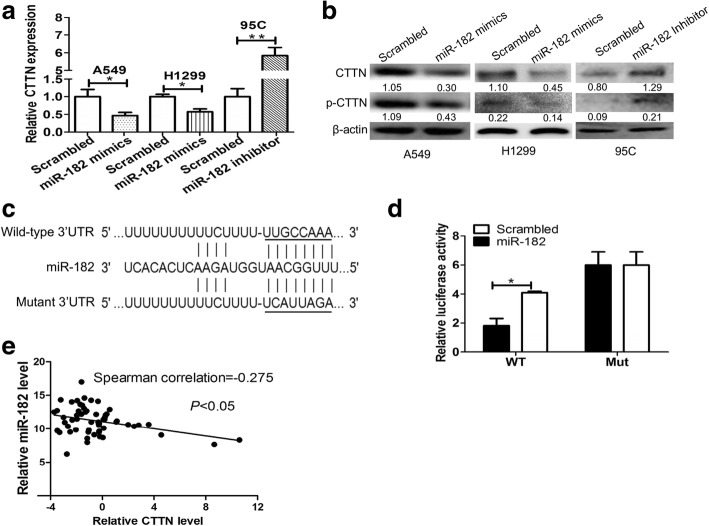
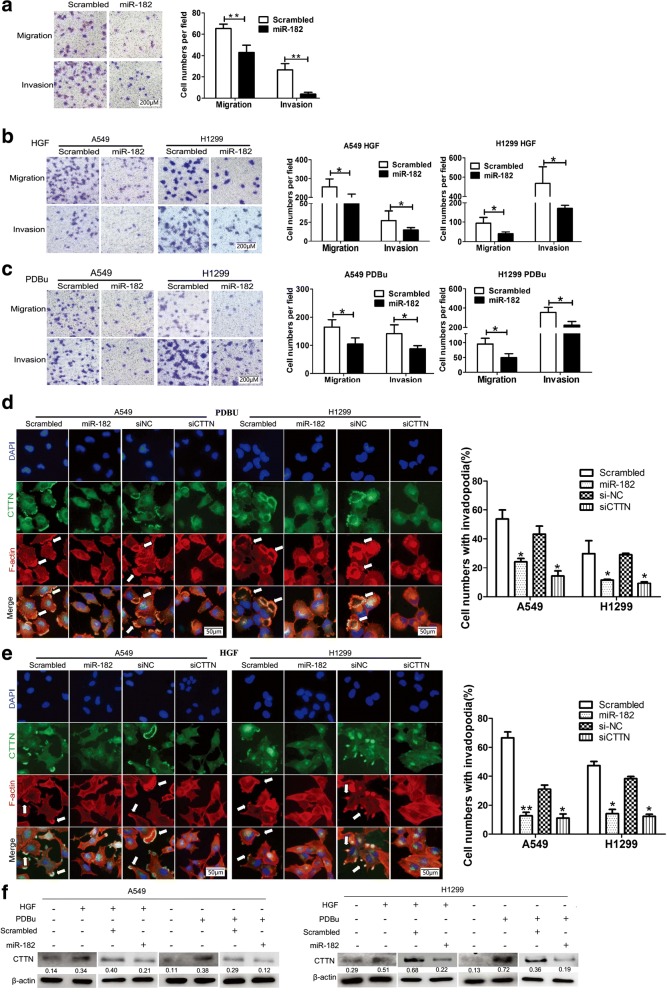
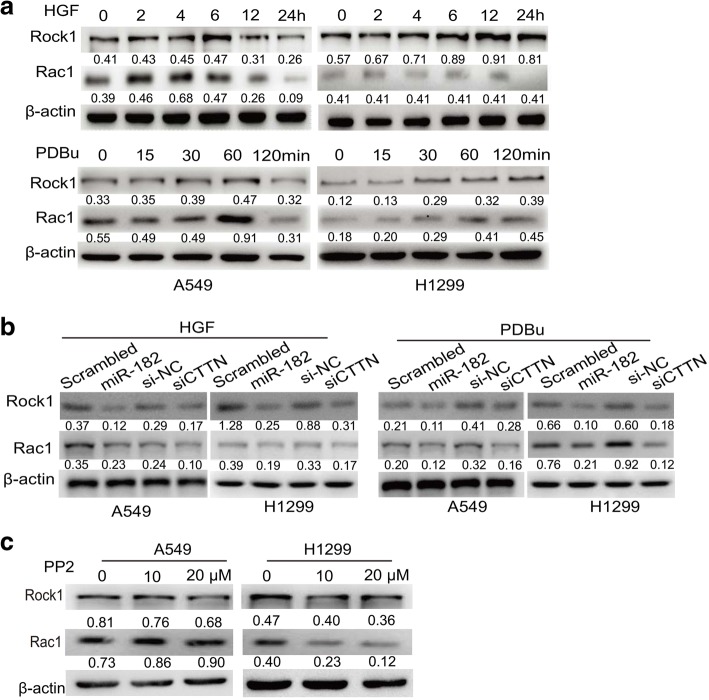
Hepatocyte growth factor (HGF) and phorbol 12,13-dibutyrate (PDBu) can induce CTTN expression, motility, and invasion ability, as well as invadopodia formation in non-small cell lung cancer (NSCLC). Moreover, miR-182 suppressed metastasis and invadopodia formation by targeting CTTN in NSCLC. Our qRT-PCR results showed that CTTN expression was inversely correlated with miR-182 expression that suppressed invadopodia formation via suppression of the Cdc42/N-WASP pathway. Furthermore, miR-182 negatively regulated invadopodia function, and suppressed extracellular matrix(ECM) degradation in lung cancer cells by inhibiting cortactin.
Collectively, our results demonstrated that miR-182 targeted CTTN gene in NSCLC and suppressed lung cancer invadopodia formation, and thus suppressed lung cancer metastasis. This suggests a therapeutic application of miR-182 in NSCLC.
转移是癌症死亡的主要原因,也是肺癌治疗的主要障碍。侵袭伪足是癌症特异性的突起结构,通过降解基底膜和周围基质在转移级联中发挥关键作用。波形蛋白是侵袭伪足的关键组成部分,常被用作侵袭伪足的标志物,是侵袭伪足功能中普遍重要的参与者,并且在癌症中经常过表达,但调节的确切机制尚未完全了解。
通过 qRT-PCR 检测人非小细胞肺癌(NSCLC)组织中 CTTN 的表达水平。通过划痕愈合、Transwell 测定和免疫荧光分别评估体外细胞迁移、侵袭和侵袭伪足形成。双荧光素酶报告基因测定用于鉴定 miR-182 的直接靶标。
肝细胞生长因子(HGF)和佛波醇 12,13-二丁酸酯(PDBu)可诱导非小细胞肺癌(NSCLC)中 CTTN 的表达、运动性和侵袭能力以及侵袭伪足的形成。此外,miR-182 通过靶向 NSCLC 中的 CTTN 抑制转移和侵袭伪足的形成。我们的 qRT-PCR 结果表明,CTTN 表达与 miR-182 表达呈负相关,miR-182 通过抑制 Cdc42/N-WASP 通路抑制侵袭伪足的形成。此外,miR-182 通过抑制波形蛋白负调控侵袭伪足功能,并抑制肺癌细胞细胞外基质(ECM)的降解。
总之,我们的研究结果表明,miR-182 在 NSCLC 中靶向 CTTN 基因并抑制肺癌侵袭伪足的形成,从而抑制肺癌转移。这表明 miR-182 在 NSCLC 中的治疗应用。