From the Department of Genetics (A.C., B.K.), University of Alabama at Birmingham; BioPharm Tech (K.J.), San Mateo, CA; Pediatric Oncology Branch (B.C.W.) and Dermatology Branch, Center for Cancer Research (D.C.P.), National Cancer Institute, NIH, Bethesda; Division of Oncology Products (D.C.) and Division of Dermatology and Dental Products (H.-S.K.), Food and Drug Administration, Silver Spring; and Department of Neurology (J.O.B., S.K.V.), The Neurofibromatosis Therapeutic Acceleration Program, The Johns Hopkins University School of Medicine, Baltimore, MD.
Neurology. 2018 Jul 10;91(2 Suppl 1):S31-S37. doi: 10.1212/WNL.0000000000005790.
Several clinical trials targeting cutaneous neurofibromas (cNF) have been conducted; however, none has resulted in meaningful changes to care. The Clinical Trial Design and Development subgroup's goals were to (1) define key considerations in the design of clinical trials for cNF, (2) summarize existing data in relation to these considerations, and (3) provide consensus recommendations about key elements of trial design to accelerate the clinical development of therapies for cNF.
The subgroup, with experts from genetics, dermatology, neurology, oncology, and basic science, spanning academia, government research, and regulatory programs, and industry, reviewed published and unpublished data on clinical trials for cNF and other diseases in the skin. Discussions of these data resulted in formulation of a list of priority issues to address in order to develop efficient and effective clinical trials for cNF.
The subgroup identified 2 natural history studies of cNF, 4 priority outcome measures, and 6 patient-reported outcome tools for potential use in efficacy trials of cNF. Time to initiate intervention, patient eligibility, mechanism of action, route of administration, safety monitoring, and regulatory agency interactions were identified as key factors to consider when designing clinical trials for cNF.
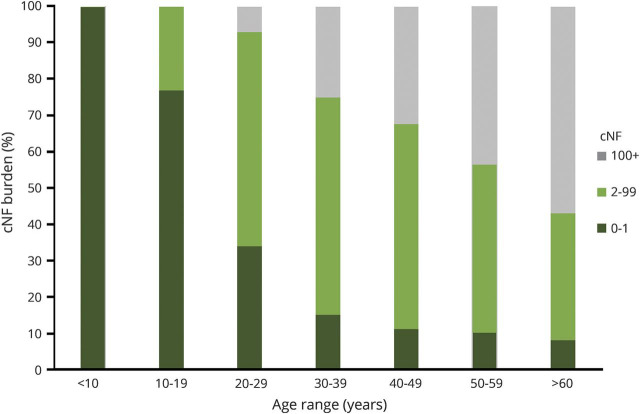
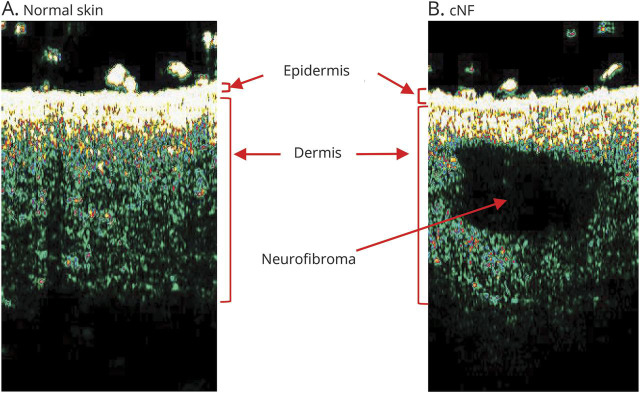
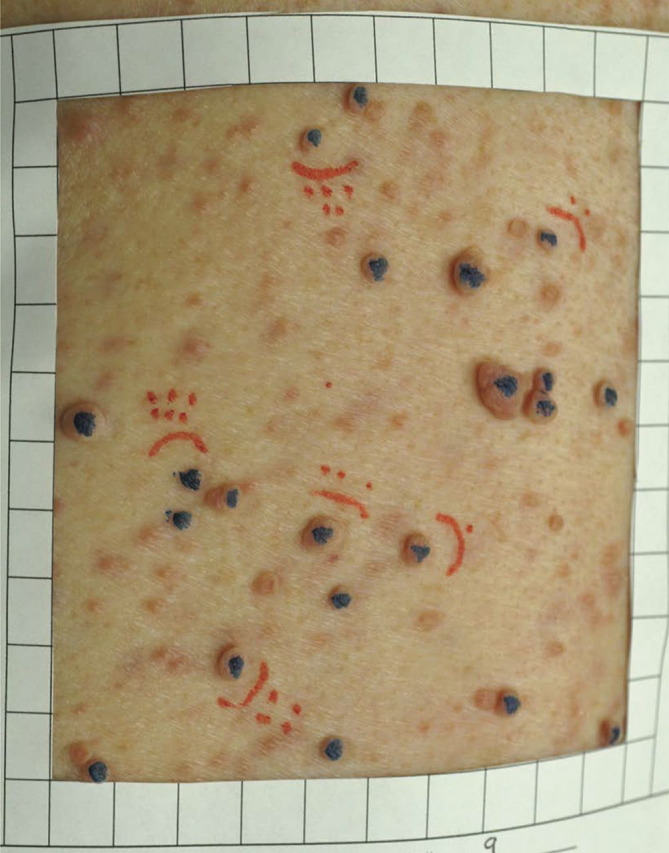
Alignment on endpoints and methods for the measurement and quantification of cNF represent a priority for therapeutic development for cNF. Advances in technological methods and outcome tools utilized in other skin diseases may be applicable to cNF studies. Patient age is an important factor guiding trial design and clinical development path.
已经开展了多项针对皮肤神经纤维瘤(cNF)的临床试验;然而,没有一项试验对治疗方法产生了显著影响。临床试验设计和开发小组的目标是:(1)定义 cNF 临床试验设计中的关键考虑因素,(2)总结与这些考虑因素相关的现有数据,(3)提供关于临床试验设计关键要素的共识建议,以加速 cNF 治疗方法的临床开发。
该小组由来自遗传学、皮肤病学、神经病学、肿瘤学和基础科学领域的专家组成,涵盖了学术界、政府研究和监管计划以及行业,审查了关于 cNF 和皮肤其他疾病临床试验的已发表和未发表数据。对这些数据的讨论导致制定了一系列优先问题,以制定有效的 cNF 临床试验。
该小组确定了 2 项关于 cNF 的自然史研究、4 项优先终点评估和 6 项患者报告结局工具,用于 cNF 疗效试验的潜在应用。干预启动时间、患者资格、作用机制、给药途径、安全性监测和监管机构互动被确定为设计 cNF 临床试验时需要考虑的关键因素。
在 cNF 的治疗开发方面,优先考虑终点和方法,以测量和量化 cNF。其他皮肤病中使用的技术方法和结局工具的进步可能适用于 cNF 研究。患者年龄是指导试验设计和临床开发路径的重要因素。