Orthopaedic Biotechnology Lab, IRCCS Galeazzi Orthopaedic Institute, Via R. Galeazzi 4, 20161 Milan, Italy.
GSpine4, IRCCS Galeazzi Orthopaedic Institute, Via R. Galeazzi 4, 20161 Milan, Italy.
Int J Mol Sci. 2018 Jul 9;19(7):2002. doi: 10.3390/ijms19072002.
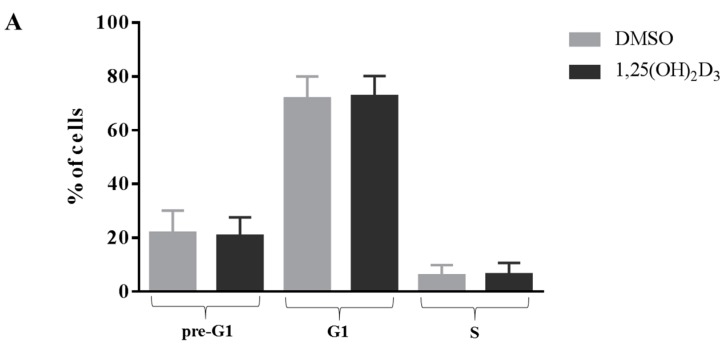
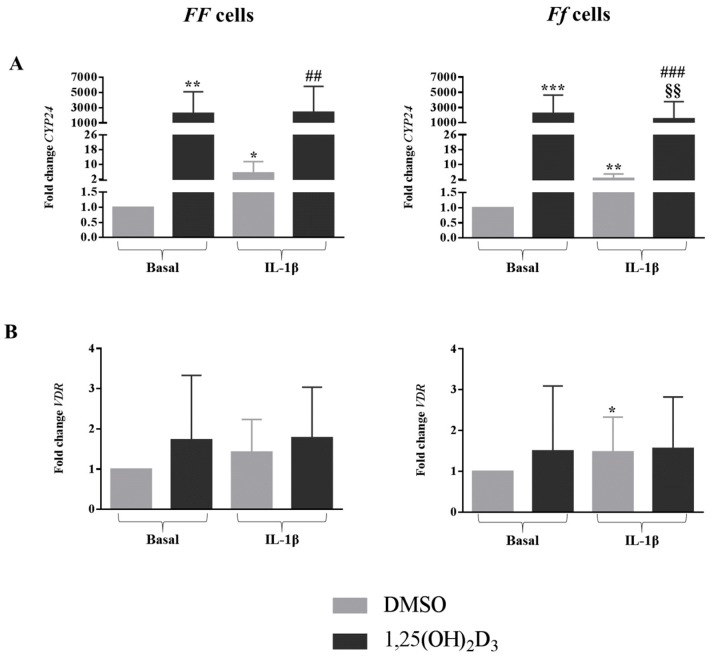
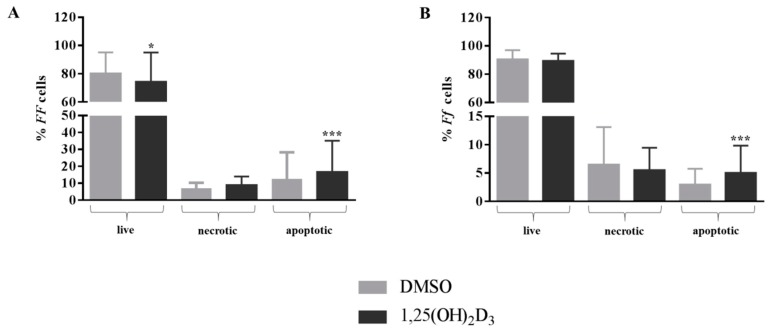
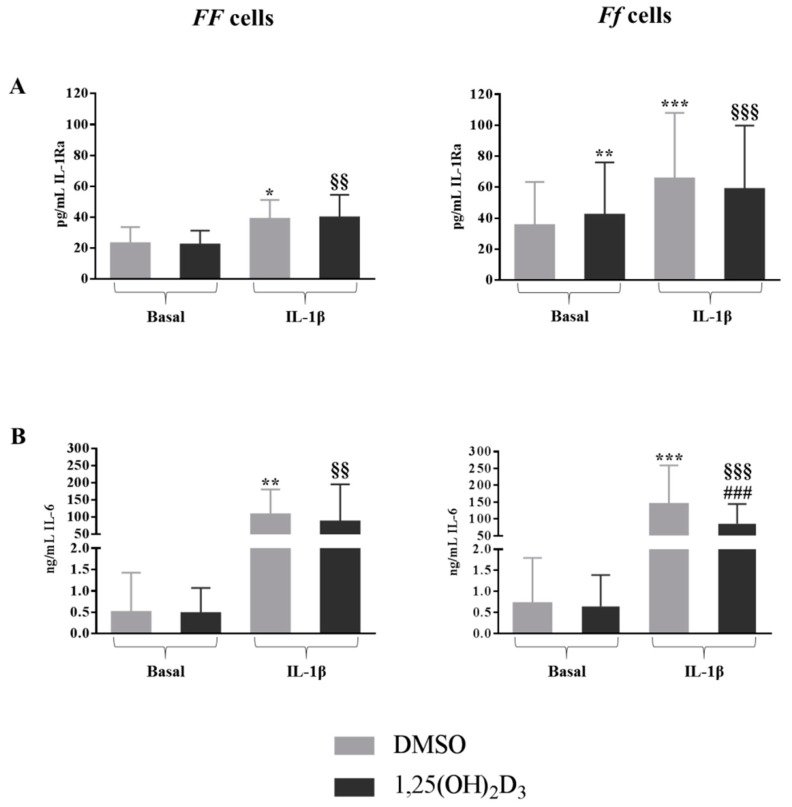
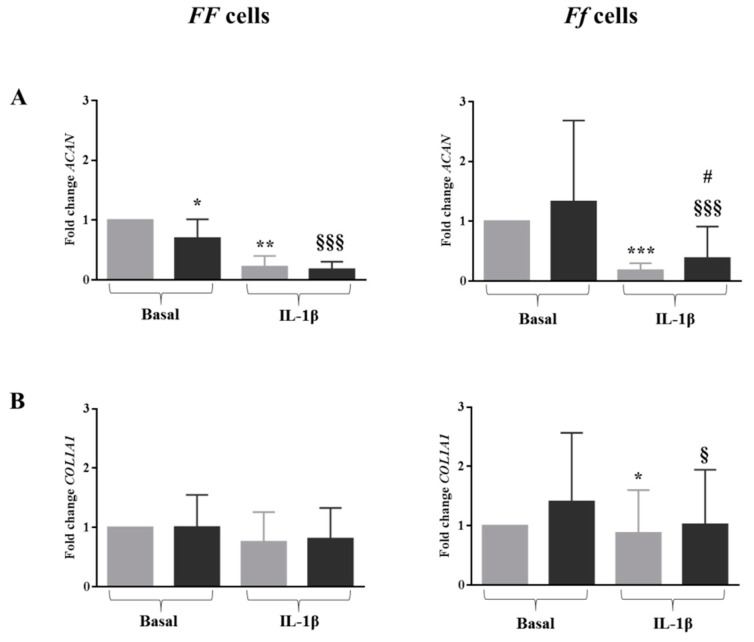
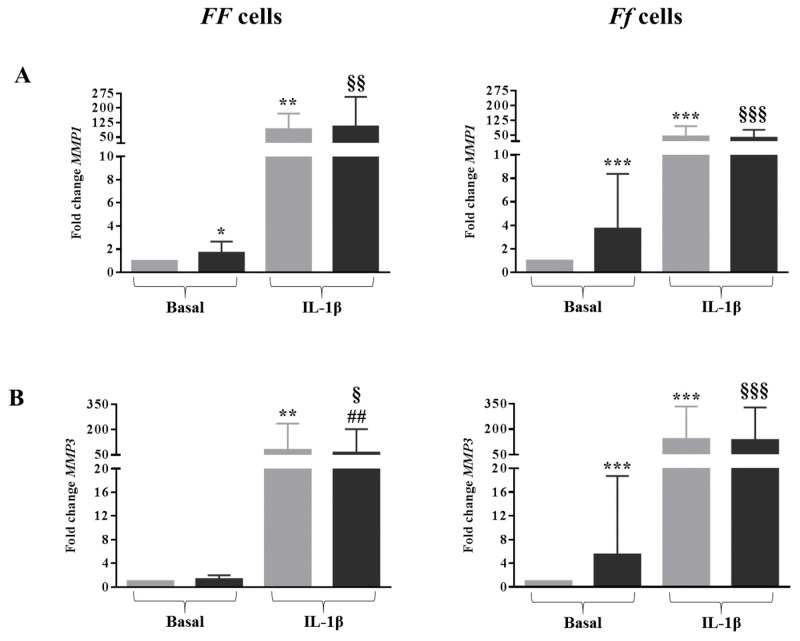
Vitamin D is known to have immunomodulatory effects, is involved in osteo-cartilaginous metabolism, and may have a role in human intervertebral disc pathophysiology. Although a link between vitamin D receptor (VDR) gene variants and disc degeneration-related pathologies has been observed, its functional contribution to pathologic processes has not been assessed yet. The aim of this study was to investigate the response of disc cells to vitamin D in terms of the regulation of proliferation, metabolism, and inflammatory processes, with a particular focus on the FokI genotype. However, although it was found that vitamin D had a pro-apoptotic effect regardless of genotype, an up-regulation of IL-1Ra and downregulation of IL-6 was found to be evident only in cells. Regarding the metabolic effects, in cells, vitamin D promoted an upregulation of the aggrecan in inflammatory conditions but did not have an effect on the expression of collagen-related markers. Moreover, cells bearing the genotype were the most responsive to vitamin D in the upregulation of catabolic markers. In addition, in contrast to the genotype, vitamin D downregulated the vitamin D-dependent signaling pathway in inflamed cells, counteracting the inflammation-mediated catabolic effects. In conclusion, cells were found to be more responsive to the anti-inflammatory and catabolic effects of vitamin D, which is likely to be related to matrix remodeling.
维生素 D 具有免疫调节作用,参与骨软骨代谢,可能在人类椎间盘病理生理学中发挥作用。虽然已经观察到维生素 D 受体 (VDR) 基因变异与椎间盘退变相关病变之间存在联系,但尚未评估其对病理过程的功能贡献。本研究旨在研究椎间盘细胞对维生素 D 的反应,包括增殖、代谢和炎症过程的调节,特别关注 FokI 基因型。然而,尽管发现维生素 D 无论基因型如何都具有促凋亡作用,但仅在 细胞中发现 IL-1Ra 的上调和 IL-6 的下调是明显的。关于代谢作用,在 细胞中,维生素 D 在炎症条件下促进聚集蛋白聚糖的上调,但对胶原相关标志物的表达没有影响。此外,携带 基因型的细胞对维生素 D 在上调分解代谢标志物方面的反应最为敏感。此外,与 基因型相反,维生素 D 在炎症的 细胞中下调维生素 D 依赖性信号通路,抵消了炎症介导的分解代谢作用。总之,发现 细胞对维生素 D 的抗炎和分解代谢作用更为敏感,这可能与基质重塑有关。