Wang Zhiguo, Li Hongwei, Tang Fanghua, Ma Jinxia, Zhou Xiaofan
Jiangsu Co-Innovation Center of Efficient Processing and Utilization of Forest Resources, Nanjing Forestry University, Nanjing, 210037, China.
Nanoscale Res Lett. 2018 Jul 9;13(1):202. doi: 10.1186/s11671-018-2616-0.
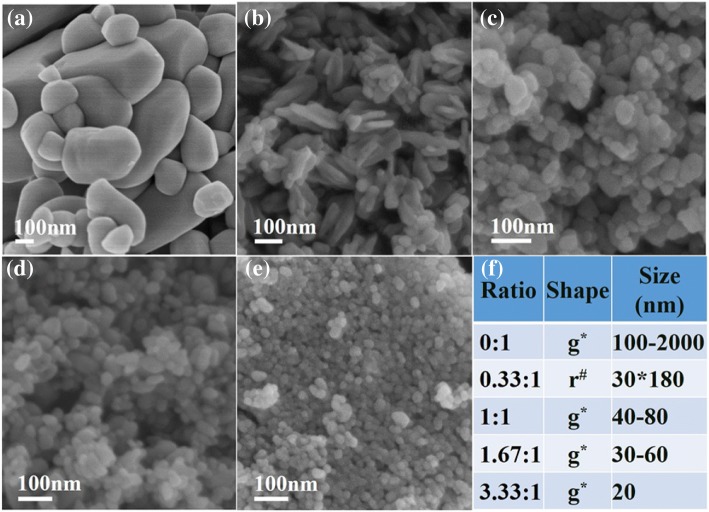
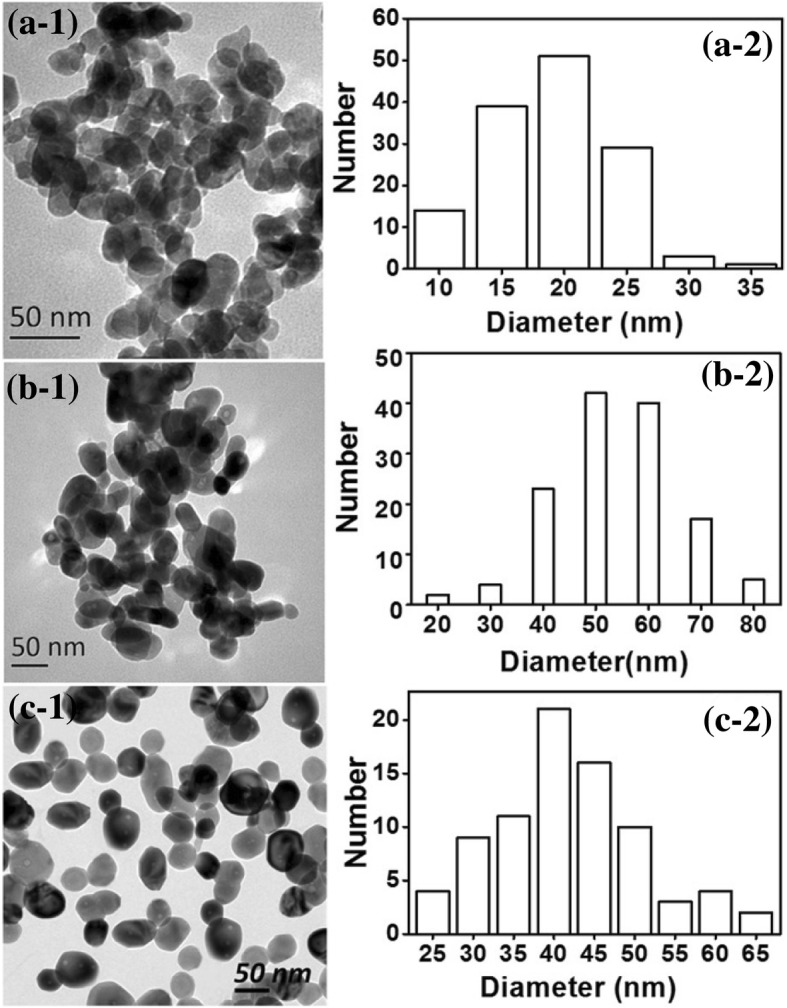
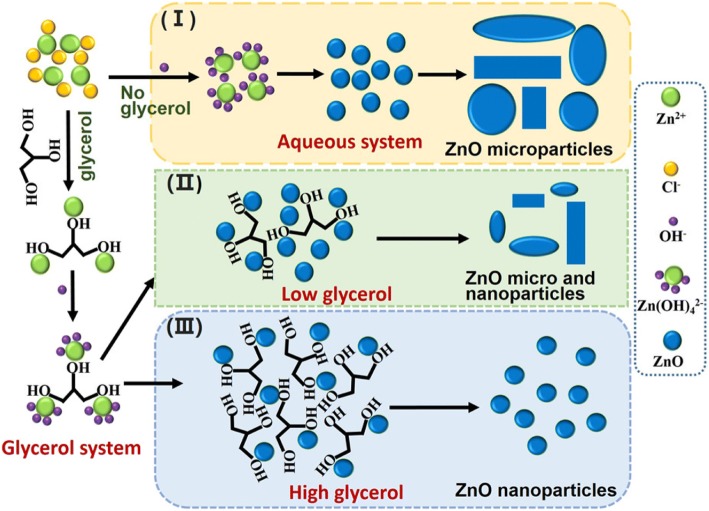
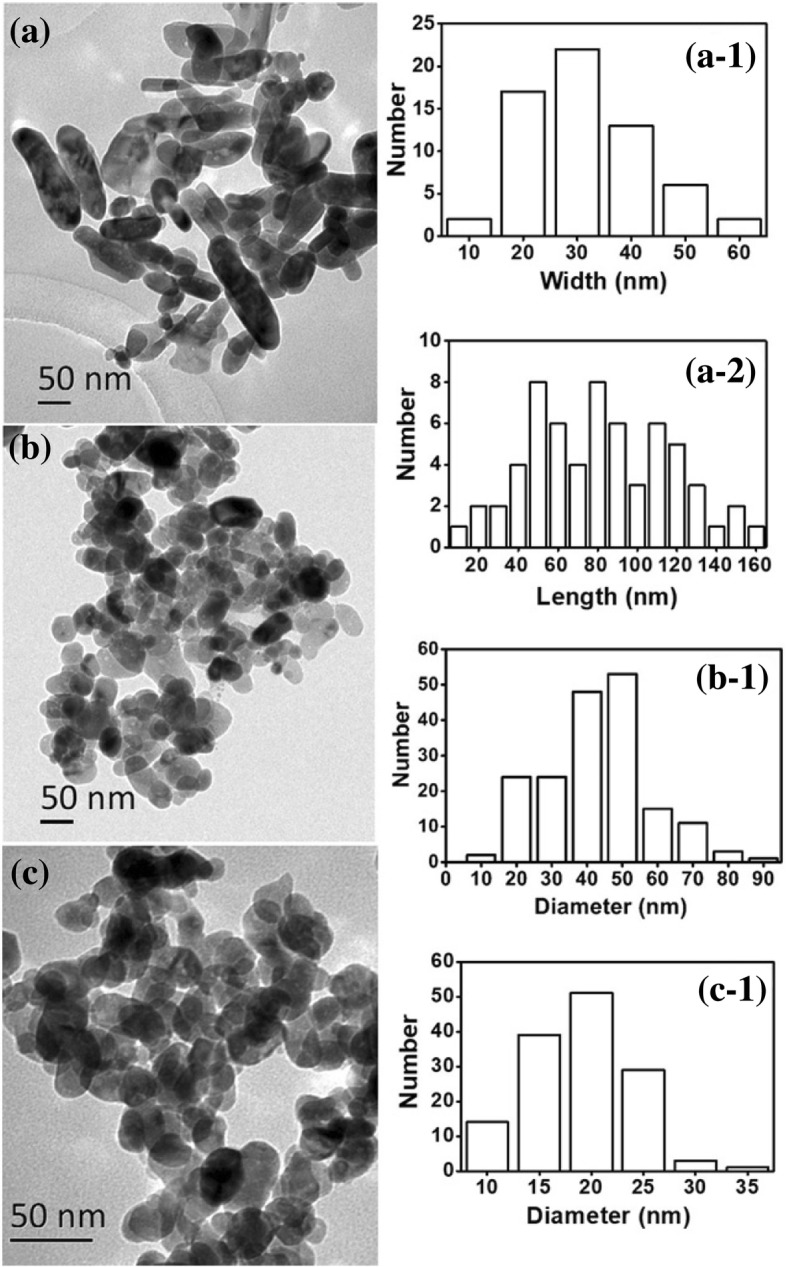
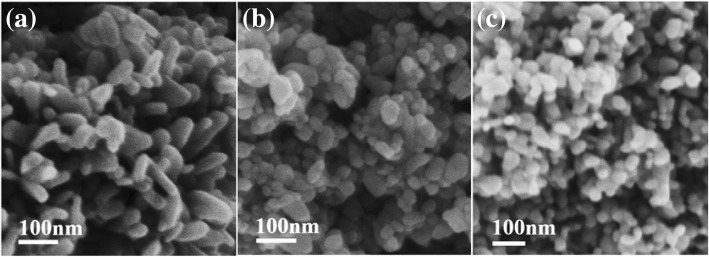
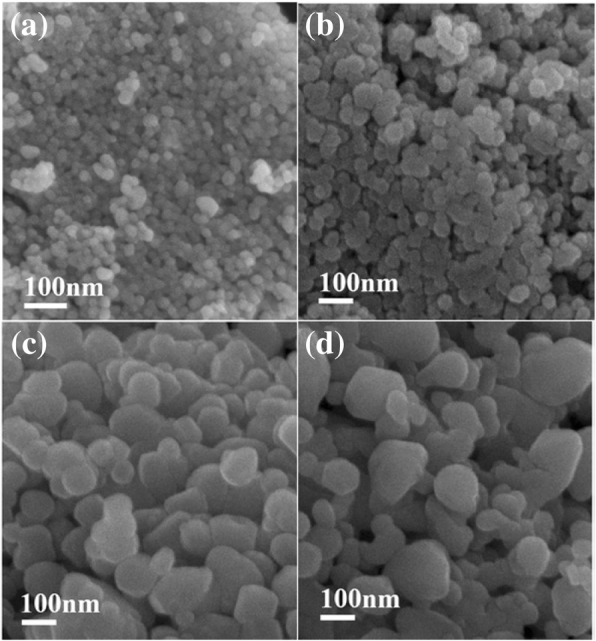
A facile process to prepare zinc oxide (ZnO) nanoparticles from an aqueous zinc chloride (ZnCl) solution and an aqueous hydroxide solution under a glycerol stabilizer at room temperature was developed. ZnCl aqueous solutions as concentrated as 65-80 wt% were used as the concentrated zinc source. The concentration of ZnCl solutions and the molar ratio of glycerol to Zn had obvious effects on the sizes and shapes of the ZnO nanoparticles. The shape of ZnO nanoparticles changed from rods approximately 50-120 nm long and 30-70 nm in diameter to globular with diameters of approximately 20 nm with the increasing of the concentration of the ZnCl solution and the mole ratio of glycerol to Zn. Glycerol, as a stabilizer, played an important role in the formation of ZnO nanostructures at room temperature, even for a highly concentrated zinc source.
开发了一种在室温下,以甘油为稳定剂,从氯化锌(ZnCl)水溶液和氢氧化物水溶液制备氧化锌(ZnO)纳米颗粒的简便方法。浓度高达65-80 wt%的ZnCl水溶液用作浓缩锌源。ZnCl溶液的浓度以及甘油与锌的摩尔比对ZnO纳米颗粒的尺寸和形状有明显影响。随着ZnCl溶液浓度和甘油与锌的摩尔比的增加,ZnO纳米颗粒的形状从长约50-120 nm、直径30-70 nm的棒状变为直径约20 nm的球状。甘油作为稳定剂,即使对于高浓度的锌源,在室温下ZnO纳米结构的形成中也起着重要作用。