Department of Clinical Genetics, Erasmus University Medical Center, Rotterdam, The Netherlands.
Department of Genetics, University of Groningen, University Medical Center Groningen, Groningen, The Netherlands.
Eur J Hum Genet. 2018 Nov;26(11):1603-1610. doi: 10.1038/s41431-018-0208-1. Epub 2018 Jul 9.
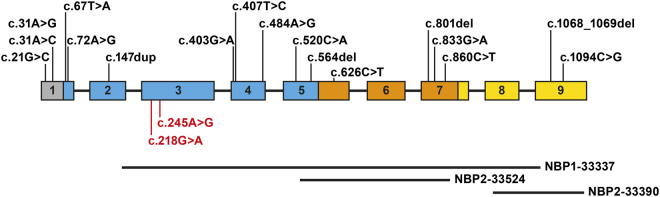
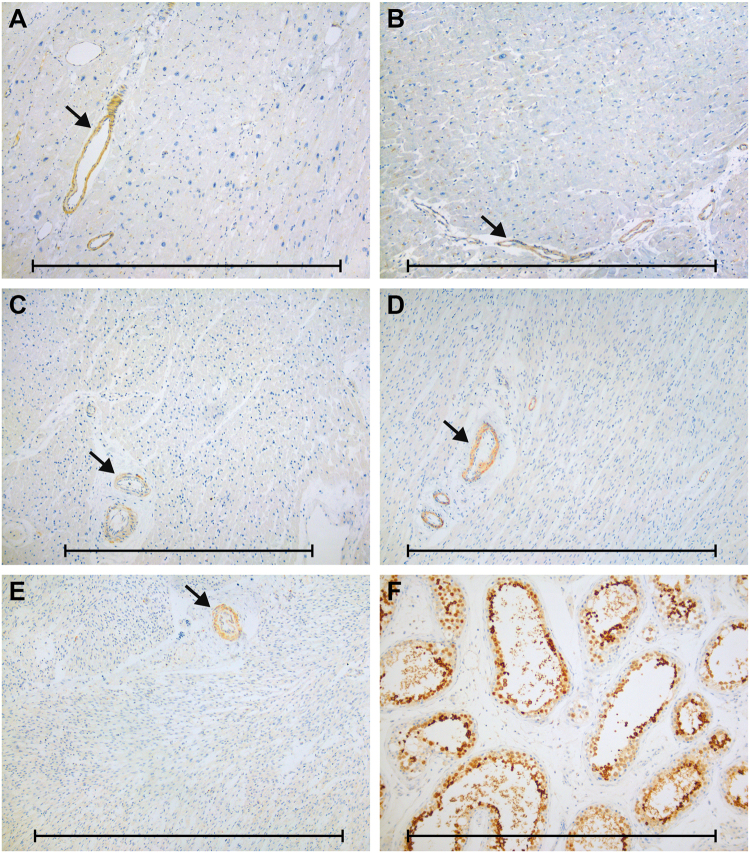
The pathogenicity of previously published disease-associated genes and variants is sometimes questionable. Large-scale, population-based sequencing studies have uncovered numerous false assignments of pathogenicity. Misinterpretation of sequence variants may have serious implications for the patients and families involved, as genetic test results are increasingly being used in medical decision making. In this study, we assessed the role of the calreticulin-3 gene (CALR3) in cardiomyopathy. CALR3 has been included in several cardiomyopathy gene panels worldwide. Its inclusion is based on a single publication describing two missense variants in patients with hypertrophic cardiomyopathy. In our national cardiomyopathy cohort (n = 6154), we identified 17 unique, rare heterozygous CALR3 variants in 48 probands. Overall, our patient cohort contained a significantly higher number of rare CALR3 variants compared to the ExAC population (p = 0.0036). However, after removing a potential Dutch founder variant, no statistically significant difference was found (p = 0.89). In nine probands, the CALR3 variant was accompanied by a disease-causing variant in another, well-known cardiomyopathy gene. In three families, the CALR3 variant did not segregate with the disease. Furthermore, we could not demonstrate calreticulin-3 protein expression in myocardial tissues at various ages. On the basis of these findings, it seems highly questionable that variants in CALR3 are a monogenic cause of cardiomyopathy.
先前发表的与疾病相关的基因和变异体的致病性有时是值得怀疑的。大规模的基于人群的测序研究揭示了许多致病性的错误归属。对序列变异体的误解可能对涉及的患者和家庭产生严重影响,因为遗传测试结果越来越多地被用于医疗决策。在这项研究中,我们评估了钙网蛋白 3 基因(CALR3)在心肌病中的作用。CALR3 已被纳入全球多个心肌病基因检测面板。其纳入的依据是一篇描述肥厚型心肌病患者中存在两个错义变异体的单一出版物。在我们的国家心肌病队列(n=6154)中,我们在 48 名先证者中发现了 17 个独特的、罕见的杂合性 CALR3 变异体。总体而言,与 ExAC 人群相比,我们的患者队列中罕见的 CALR3 变异体数量明显更多(p=0.0036)。然而,去除一个潜在的荷兰创始变体后,未发现统计学上的显著差异(p=0.89)。在 9 名先证者中,CALR3 变异体伴随着另一个已知的心肌病基因中的致病变异体。在 3 个家庭中,CALR3 变异体与疾病不分离。此外,我们无法证明在不同年龄的心肌组织中存在钙网蛋白 3 蛋白表达。基于这些发现,CALR3 中的变异体似乎极不可能是心肌病的单基因原因。