• 文献检索
  • 文档翻译
  • 深度研究
  • 学术资讯
  • Suppr Zotero 插件Zotero 插件
  • 邀请有礼
  • 套餐&价格
  • 历史记录
应用&插件
Suppr Zotero 插件Zotero 插件浏览器插件Mac 客户端Windows 客户端微信小程序
定价
高级版会员购买积分包购买API积分包
服务
文献检索文档翻译深度研究API 文档MCP 服务
关于我们
关于 Suppr公司介绍联系我们用户协议隐私条款
关注我们

Suppr 超能文献

核心技术专利:CN118964589B侵权必究
粤ICP备2023148730 号-1Suppr @ 2026

文献检索

告别复杂PubMed语法,用中文像聊天一样搜索,搜遍4000万医学文献。AI智能推荐,让科研检索更轻松。

立即免费搜索

文件翻译

保留排版,准确专业,支持PDF/Word/PPT等文件格式,支持 12+语言互译。

免费翻译文档

深度研究

AI帮你快速写综述,25分钟生成高质量综述,智能提取关键信息,辅助科研写作。

立即免费体验

人乳来源的外泌体可减轻肠上皮细胞的死亡。

Human breast milk-derived exosomes attenuate cell death in intestinal epithelial cells.

机构信息

1 Department of Surgery/Division of Pediatric Surgery, University of Alabama School of Medicine, USA.

2 Department of Pediatrics/Division of Neonatology and Center of Glial Biology in Medicine, University of Alabama School of Medicine, USA.

出版信息

Innate Immun. 2018 Jul;24(5):278-284. doi: 10.1177/1753425918785715. Epub 2018 Jul 10.

DOI:10.1177/1753425918785715
PMID:29991305
原文链接:https://pmc.ncbi.nlm.nih.gov/articles/PMC6830917/
Abstract

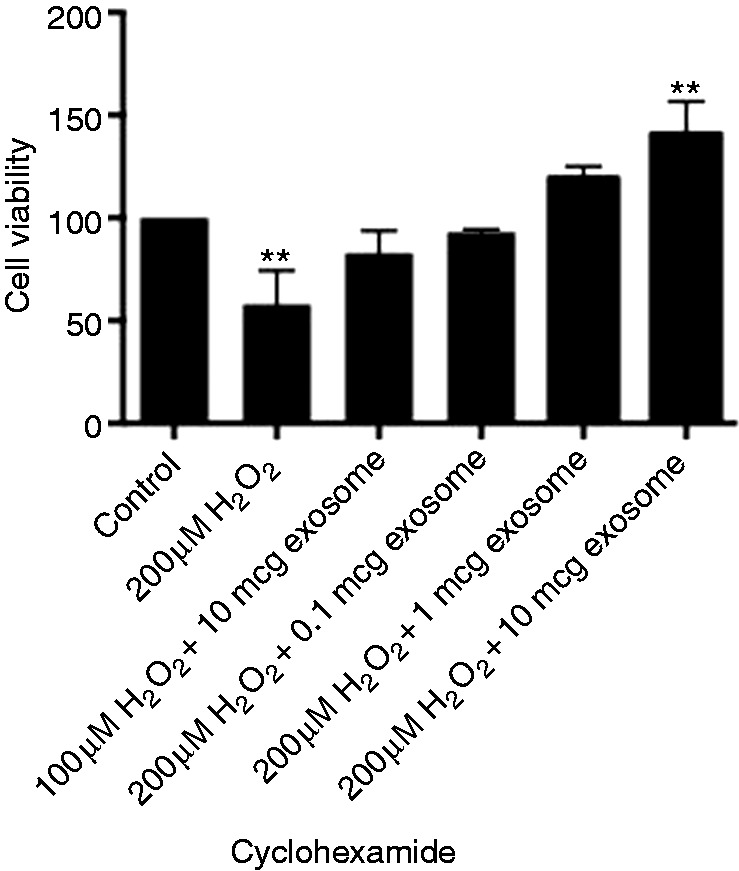
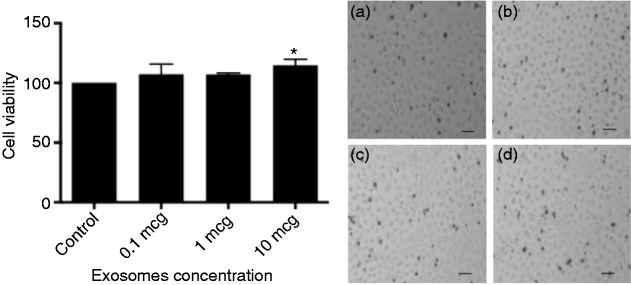
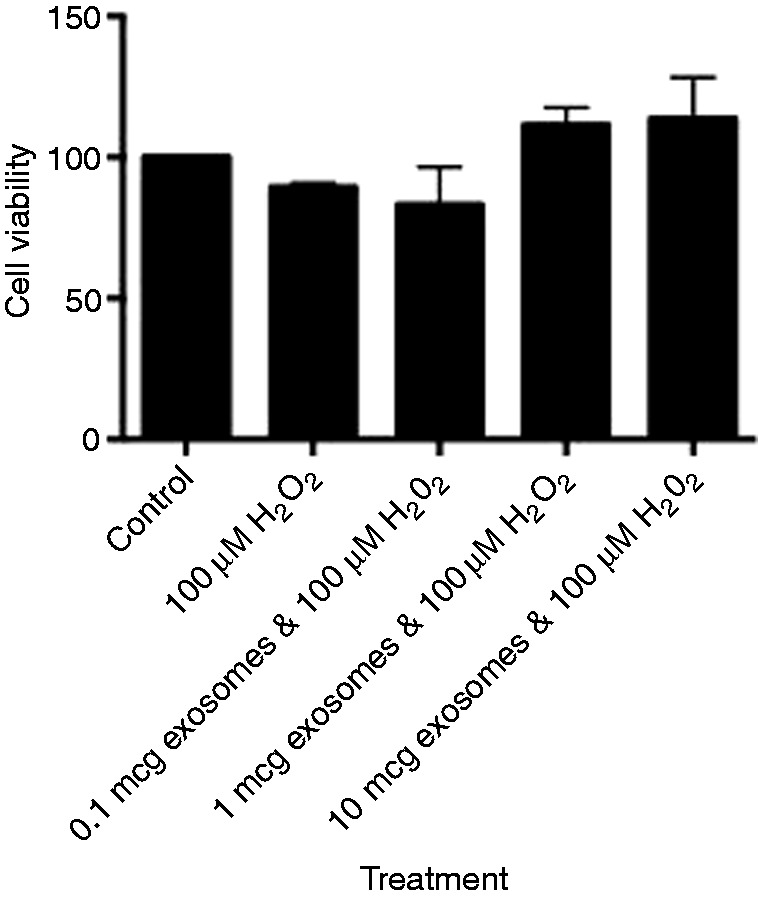
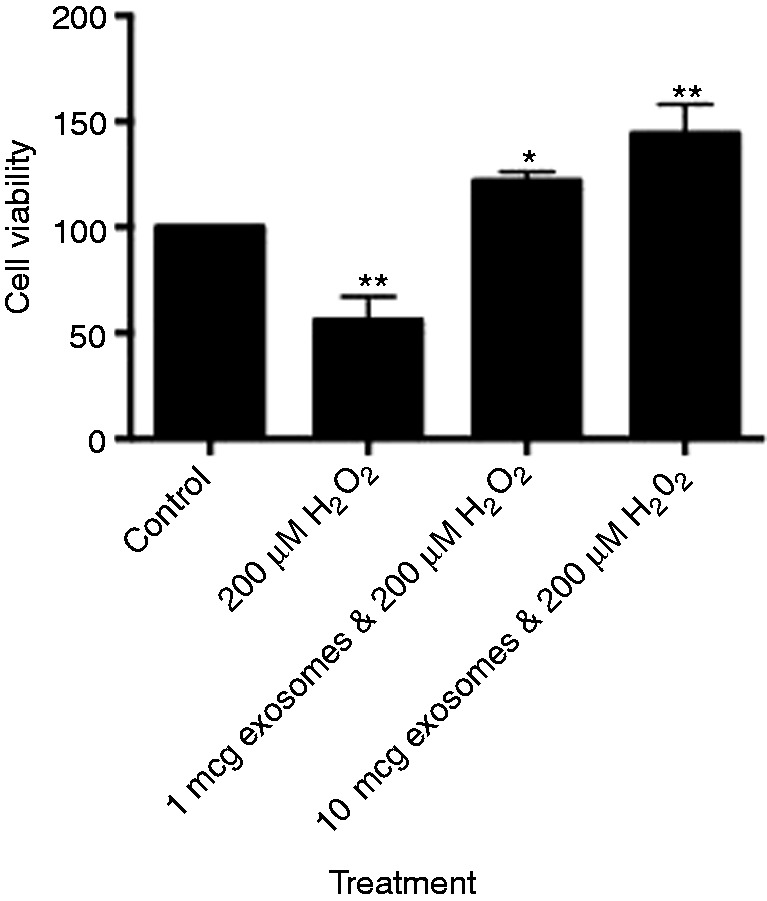
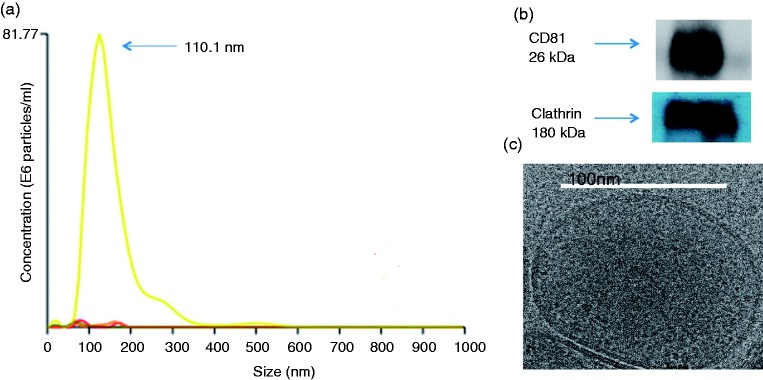
Human breast milk has been shown to reduce the incidence of necrotizing enterocolitis (NEC). Breast milk has many components (immunoglobulins, proteins, fat, and, of recent interest, exosomes), but the specific component that affords protection against NEC is not known. Exosomes are small-nanometer vesicles that are rich in protein, lipid, and microRNA. Here, we hypothesized that human breast milk-derived exosomes can protect intestinal epithelial cells (IECs) from cell death. Human breast milk was collected, separated using ultracentrifugation, and quantified using NanoSight tracking analysis. Purified exosomes were added to IECs that had been treated with varying concentrations of HO. Cells were then incubated overnight with the human breast milk-derived exosomes and assessed for cell viability. Western blot analysis showed that both clathrin and CD81 were present in the purified sample. Oxidative stress using HO caused a 50% decrease in cell viability and human breast milk-derived exosomes had a protective effect in IECs. In the presence of HO, exosomes had a statistically significant protective effect. The protection seen by human breast milk-derived exosomes was not attenuated by cycloheximide. Thus, human breast milk-derived exosomes allow IECs to be protected from oxidative stress, but the mechanism is still not clear. Exosomes derived from human breast milk are an attractive treatment concept for children with intestinal injury.

摘要

人乳已被证明可降低坏死性小肠结肠炎 (NEC) 的发病率。人乳含有许多成分(免疫球蛋白、蛋白质、脂肪,以及最近受到关注的外泌体),但具有预防 NEC 作用的确切成分尚不清楚。外泌体是富含蛋白质、脂质和 microRNA 的小型纳米囊泡。在这里,我们假设人乳来源的外泌体可以保护肠上皮细胞 (IEC) 免受细胞死亡。收集人乳,使用超速离心法分离,并使用 NanoSight 跟踪分析进行定量。将纯化的外泌体添加到已用不同浓度 HO 处理的 IEC 中。然后将细胞与人乳来源的外泌体孵育过夜,并评估细胞活力。Western blot 分析显示,纯化样品中存在网格蛋白和 CD81。使用 HO 引起的氧化应激导致细胞活力降低 50%,而人乳来源的外泌体对 IEC 具有保护作用。在 HO 存在的情况下,外泌体具有统计学显著的保护作用。人乳来源的外泌体的保护作用不受环己酰亚胺的减弱。因此,人乳来源的外泌体可使 IEC 免受氧化应激的影响,但机制尚不清楚。人乳衍生的外泌体是治疗儿童肠道损伤的一种有吸引力的治疗概念。
https://cdn.ncbi.nlm.nih.gov/pmc/blobs/3d68/6830917/5d470550cb39/10.1177_1753425918785715-fig5.jpg
https://cdn.ncbi.nlm.nih.gov/pmc/blobs/3d68/6830917/e713a2743151/10.1177_1753425918785715-fig1.jpg
https://cdn.ncbi.nlm.nih.gov/pmc/blobs/3d68/6830917/15b07996df92/10.1177_1753425918785715-fig2.jpg
https://cdn.ncbi.nlm.nih.gov/pmc/blobs/3d68/6830917/a625d4834bff/10.1177_1753425918785715-fig3.jpg
https://cdn.ncbi.nlm.nih.gov/pmc/blobs/3d68/6830917/8be6d60fc7b0/10.1177_1753425918785715-fig4.jpg
https://cdn.ncbi.nlm.nih.gov/pmc/blobs/3d68/6830917/5d470550cb39/10.1177_1753425918785715-fig5.jpg
https://cdn.ncbi.nlm.nih.gov/pmc/blobs/3d68/6830917/e713a2743151/10.1177_1753425918785715-fig1.jpg
https://cdn.ncbi.nlm.nih.gov/pmc/blobs/3d68/6830917/15b07996df92/10.1177_1753425918785715-fig2.jpg
https://cdn.ncbi.nlm.nih.gov/pmc/blobs/3d68/6830917/a625d4834bff/10.1177_1753425918785715-fig3.jpg
https://cdn.ncbi.nlm.nih.gov/pmc/blobs/3d68/6830917/8be6d60fc7b0/10.1177_1753425918785715-fig4.jpg
https://cdn.ncbi.nlm.nih.gov/pmc/blobs/3d68/6830917/5d470550cb39/10.1177_1753425918785715-fig5.jpg

相似文献

1
Human breast milk-derived exosomes attenuate cell death in intestinal epithelial cells.人乳来源的外泌体可减轻肠上皮细胞的死亡。
Innate Immun. 2018 Jul;24(5):278-284. doi: 10.1177/1753425918785715. Epub 2018 Jul 10.
2
A comparison of exosomes derived from different periods breast milk on protecting against intestinal organoid injury.不同时期母乳来源的外泌体对肠道类器官损伤保护作用的比较。
Pediatr Surg Int. 2019 Dec;35(12):1363-1368. doi: 10.1007/s00383-019-04562-6. Epub 2019 Oct 1.
3
Protective Effects of Human Milk-Derived Exosomes on Intestinal Stem Cells Damaged by Oxidative Stress.人乳衍生外泌体对氧化应激损伤的肠干细胞的保护作用。
Cell Transplant. 2020 Jan-Dec;29:963689720912690. doi: 10.1177/0963689720912690.
4
Human breast milk-derived exosomes may help maintain intestinal epithelial barrier integrity.人乳衍生的外泌体可能有助于维持肠道上皮屏障的完整性。
Pediatr Res. 2021 Aug;90(2):366-372. doi: 10.1038/s41390-021-01449-y. Epub 2021 Mar 17.
5
Breast milk-derived exosomes promote intestinal epithelial cell growth.母乳来源的外泌体促进肠道上皮细胞生长。
J Pediatr Surg. 2017 May;52(5):755-759. doi: 10.1016/j.jpedsurg.2017.01.032. Epub 2017 Jan 29.
6
Bovine milk-derived exosomes enhance goblet cell activity and prevent the development of experimental necrotizing enterocolitis.牛源细胞外囊泡增强杯状细胞活性并预防实验性坏死性小肠结肠炎的发生。
PLoS One. 2019 Jan 30;14(1):e0211431. doi: 10.1371/journal.pone.0211431. eCollection 2019.
7
Comparison and Investigation of Exosomes from Human Amniotic Fluid Stem Cells and Human Breast Milk in Alleviating Neonatal Necrotizing Enterocolitis.人羊膜干细胞来源外泌体与人乳来源外泌体缓解新生儿坏死性小肠结肠炎的比较研究
Stem Cell Rev Rep. 2023 Apr;19(3):754-766. doi: 10.1007/s12015-022-10470-5. Epub 2022 Nov 16.
8
Human breast milk exosomes attenuate intestinal damage.人母乳外泌体可减轻肠道损伤。
Pediatr Surg Int. 2020 Feb;36(2):155-163. doi: 10.1007/s00383-019-04599-7. Epub 2019 Nov 12.
9
The emerging role of exosomes in the pathogenesis, prognosis and treatment of necrotizing enterocolitis.外泌体在坏死性小肠结肠炎发病机制、预后及治疗中的新作用
Am J Transl Res. 2020 Nov 15;12(11):7020-7033. eCollection 2020.
10
Human breast milk-derived exosomes protect against intestinal ischemia and reperfusion injury in neonatal rats.人乳来源的外泌体可预防新生大鼠肠缺血再灌注损伤。
J Pediatr Surg. 2022 Jul;57(7):1264-1268. doi: 10.1016/j.jpedsurg.2022.02.029. Epub 2022 Mar 13.

引用本文的文献

1
Milk-derived extracellular vesicles: nature's nanocarriers for drug delivery and therapeutics.源自牛奶的细胞外囊泡:用于药物递送和治疗的天然纳米载体。
Front Pharmacol. 2025 Aug 6;16:1595891. doi: 10.3389/fphar.2025.1595891. eCollection 2025.
2
Milk-Derived Extracellular Vesicles and microRNAs: Potential Modulators of Intestinal Homeostasis.乳源细胞外囊泡与微小RNA:肠道稳态的潜在调节因子
FASEB J. 2025 Aug 31;39(16):e70947. doi: 10.1096/fj.202501630R.
3
Protective effects of human breast milk-derived exosomes on inflammatory bowel disease through modulation of immune cells.

本文引用的文献

1
Role of TIM-4 in exosome-dependent entry of HIV-1 into human immune cells.TIM-4在HIV-1外泌体依赖性进入人免疫细胞中的作用。
Int J Nanomedicine. 2017 Jul 6;12:4823-4833. doi: 10.2147/IJN.S132762. eCollection 2017.
2
Breast milk-derived exosomes promote intestinal epithelial cell growth.母乳来源的外泌体促进肠道上皮细胞生长。
J Pediatr Surg. 2017 May;52(5):755-759. doi: 10.1016/j.jpedsurg.2017.01.032. Epub 2017 Jan 29.
3
Porcine milk-derived exosomes promote proliferation of intestinal epithelial cells.猪乳来源的外泌体促进肠道上皮细胞的增殖。
人乳源外泌体通过调节免疫细胞对炎症性肠病的保护作用。
NPJ Sci Food. 2025 Mar 20;9(1):34. doi: 10.1038/s41538-025-00400-3.
4
Extracellular vesicles and preterm infant diseases.细胞外囊泡与早产儿疾病
Front Pediatr. 2025 Feb 17;13:1550115. doi: 10.3389/fped.2025.1550115. eCollection 2025.
5
Human breast milk-derived exosomes attenuate lipopolysaccharide-induced activation in microglia.人母乳来源的外泌体可减轻脂多糖诱导的小胶质细胞激活。
J Neuroinflammation. 2025 Feb 15;22(1):41. doi: 10.1186/s12974-025-03345-2.
6
Milk-derived extracellular vesicles and gut health.源自牛奶的细胞外囊泡与肠道健康。
NPJ Sci Food. 2025 Jan 30;9(1):12. doi: 10.1038/s41538-025-00375-1.
7
Human breast milk-derived exosomes and their positive role on neonatal intestinal health.人乳源外泌体及其对新生儿肠道健康的积极作用。
Pediatr Res. 2025 Jan 26. doi: 10.1038/s41390-025-03813-8.
8
Comparative Analysis of miRNA Expression Profiles of Yak Milk-Derived Exosomes at Different Altitudes.不同海拔牦牛乳源外泌体miRNA表达谱的比较分析
Animals (Basel). 2025 Jan 2;15(1):87. doi: 10.3390/ani15010087.
9
Mechanistic insight into human milk extracellular vesicle-intestinal barrier interactions.人乳细胞外囊泡与肠道屏障相互作用的机制洞察
J Extracell Biol. 2025 Jan 9;4(1):e70032. doi: 10.1002/jex2.70032. eCollection 2025 Jan.
10
Advances in the isolation and characterization of milk-derived extracellular vesicles and their functions.牛奶来源的细胞外囊泡的分离、表征及其功能的研究进展。
Front Nutr. 2024 Dec 16;11:1512939. doi: 10.3389/fnut.2024.1512939. eCollection 2024.
Sci Rep. 2016 Sep 20;6:33862. doi: 10.1038/srep33862.
4
Comprehensive Proteomic Analysis of Human Milk-derived Extracellular Vesicles Unveils a Novel Functional Proteome Distinct from Other Milk Components.人乳来源细胞外囊泡的综合蛋白质组学分析揭示了一种不同于其他乳汁成分的新型功能蛋白质组。
Mol Cell Proteomics. 2016 Nov;15(11):3412-3423. doi: 10.1074/mcp.M116.060426. Epub 2016 Sep 6.
5
Early neurodevelopmental outcomes of infants with intestinal failure.肠衰竭婴儿的早期神经发育结局
Early Hum Dev. 2016 Oct;101:11-6. doi: 10.1016/j.earlhumdev.2016.05.012. Epub 2016 Jul 8.
6
Identification of Individual Exosome-Like Vesicles by Surface Enhanced Raman Spectroscopy.通过表面增强拉曼光谱鉴定个体外泌体样囊泡。
Small. 2016 Jun;12(24):3292-301. doi: 10.1002/smll.201600393. Epub 2016 May 12.
7
Comparing exosome-like vesicles with liposomes for the functional cellular delivery of small RNAs.比较外泌体样囊泡与脂质体用于小 RNA 的功能性细胞递释。
J Control Release. 2016 Jun 28;232:51-61. doi: 10.1016/j.jconrel.2016.04.005. Epub 2016 Apr 9.
8
Exosomes secreted from bone marrow-derived mesenchymal stem cells protect the intestines from experimental necrotizing enterocolitis.骨髓间充质干细胞分泌的外泌体可保护肠道免受实验性坏死性小肠结肠炎的侵害。
J Pediatr Surg. 2016 Jun;51(6):942-7. doi: 10.1016/j.jpedsurg.2016.02.061. Epub 2016 Mar 2.
9
Intestinal epithelial cell injury is rescued by hydrogen sulfide.硫化氢可挽救肠上皮细胞损伤。
J Pediatr Surg. 2016 May;51(5):775-8. doi: 10.1016/j.jpedsurg.2016.02.019. Epub 2016 Feb 12.
10
Pathogenesis of necrotizing enterocolitis: modeling the innate immune response.坏死性小肠结肠炎的发病机制:模拟先天免疫反应
Am J Pathol. 2015 Jan;185(1):4-16. doi: 10.1016/j.ajpath.2014.08.028. Epub 2014 Nov 4.