Monfared Ali, Hojat Eftekhari, Mesbah Seyed Alireza, Darjani Abbas, Azimi Seyyede Zeinab
Department of Nephrology, Urology Research Center, Razi Hospital, School of Medicine, Guilan University of Medical Sciences, Rasht, Iran.
Department of Dermatology, Skin Research Center, Razi Hospital, School of Medicine, Guilan University of Medical Sciences, Rasht, Iran.
Case Rep Infect Dis. 2018 Jan 11;2018:5086501. doi: 10.1155/2018/5086501. eCollection 2018.
Opportunistic infections are common in organ transplant recipients. After 6 months of transplantation, patients have the highest risk of opportunistic infections such as cryptococcosis.
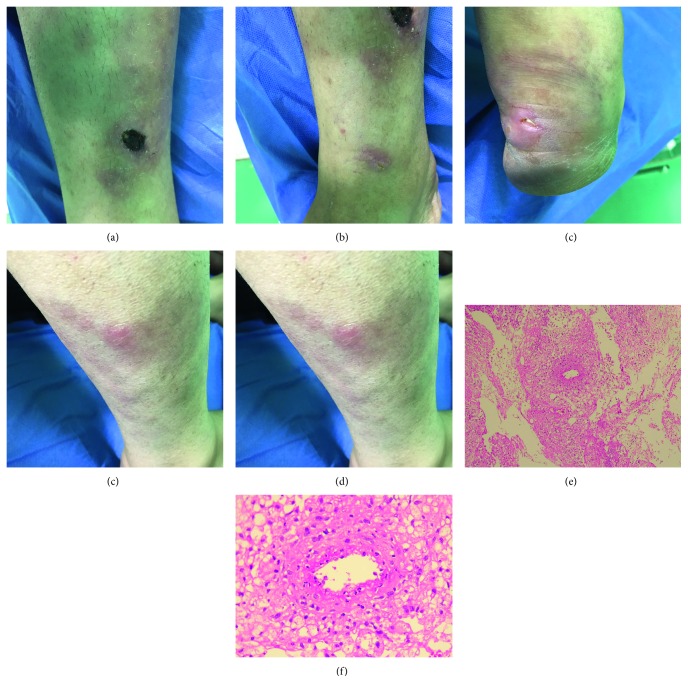
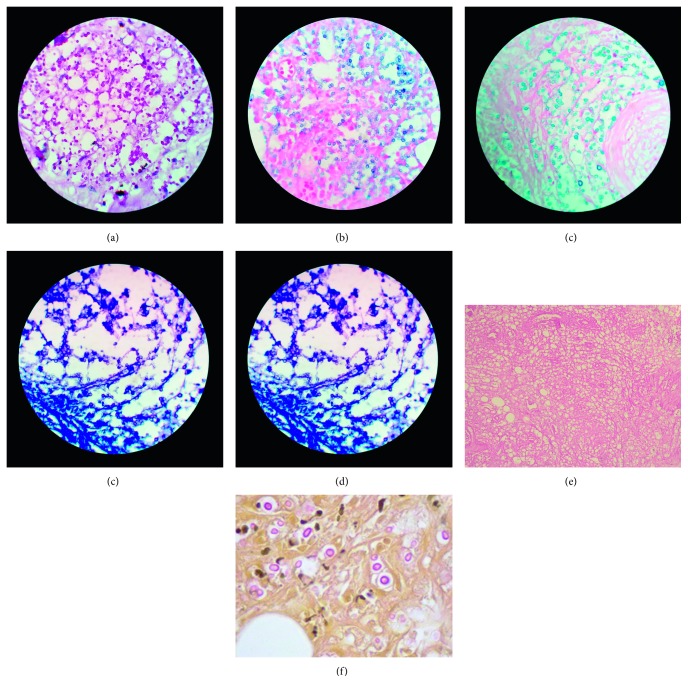
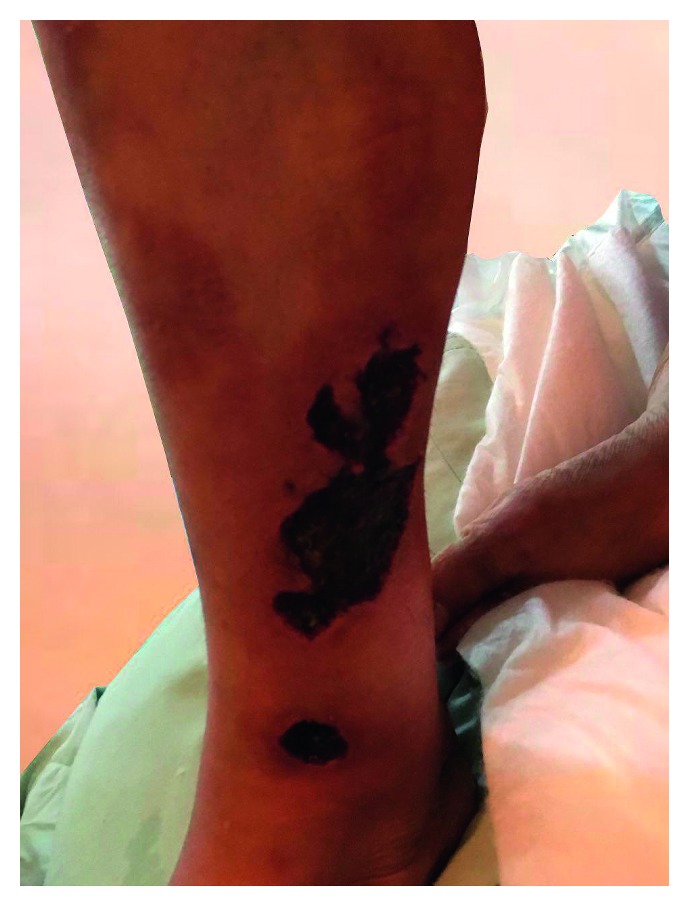
The report presents the case of a 36-year-old female renal transplant recipient, with complaints of few subcutaneous painful and warm nodules and large, warm, erythematous, nontender plaques on the mildly edematous right leg and ankle. Incisional biopsy of the subcutaneous nodule over the leg showed panniculitis with small- to medium-sized vasculitis associated with round yeast forms, and culture of the fragments revealed var. grubii.
This article also reviews in brief the treatment of this rare complication. Reviewing the literature showed that since the cryptococcal cutaneous lesions are often nonspecific, the clinical picture solely is not enough to construct a definite diagnosis and there must be a high clinical suspicion.
机会性感染在器官移植受者中很常见。移植6个月后,患者发生隐球菌病等机会性感染的风险最高。
本文报告了一名36岁女性肾移植受者的病例,患者主诉右腿和脚踝轻度水肿,有少量皮下疼痛性温热结节,以及大片温热、红斑性、无压痛斑块。对腿部皮下结节进行切开活检,显示脂膜炎伴中小血管炎,伴有圆形酵母样形态,碎片培养显示为新型隐球菌变种。
本文还简要回顾了这种罕见并发症的治疗方法。文献回顾表明,由于隐球菌皮肤病变通常不具有特异性,仅凭临床表现不足以做出明确诊断,必须高度怀疑。