Health Economics Research Unit, KEMRI Wellcome Trust Research Programme, Nairobi, Kenya.
Institute of Healthcare Management, Strathmore University, Nairobi, Kenya.
Int J Health Policy Manag. 2018 Jul 1;7(7):603-613. doi: 10.15171/ijhpm.2017.135.
Kenya introduced a free maternity policy in 2013 to address the cost barrier associated with accessing maternal health services. We carried out a mixed methods process evaluation of the policy to examine the extent to which the policy had been implemented according to design, and positive experiences and challenges encountered during implementation.
We conducted a mixed methods study in 3 purposely selected counties in Kenya. Data were collected through in-depth interviews (IDIs) with policy-makers at the national level, health managers at the county level, and frontline staff at the health facility level (n=60), focus group discussions (FGDs) with community representatives (n=10), facility records, and document reviews. We analysed the data using a framework approach.
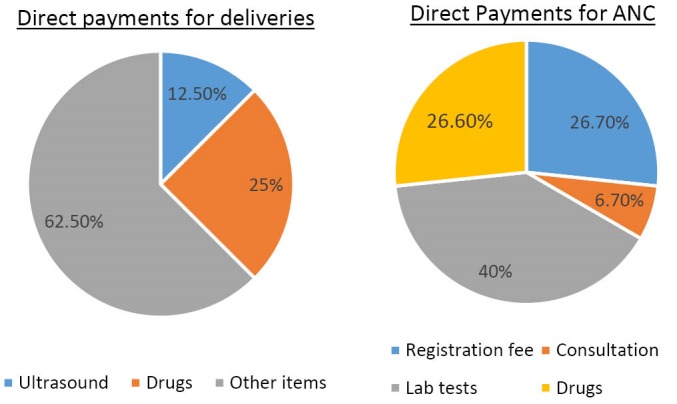
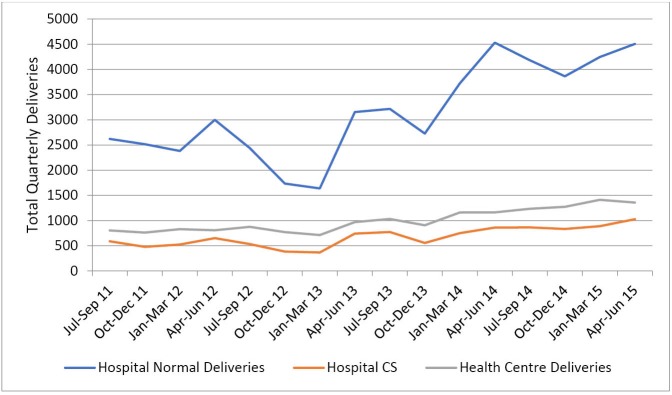
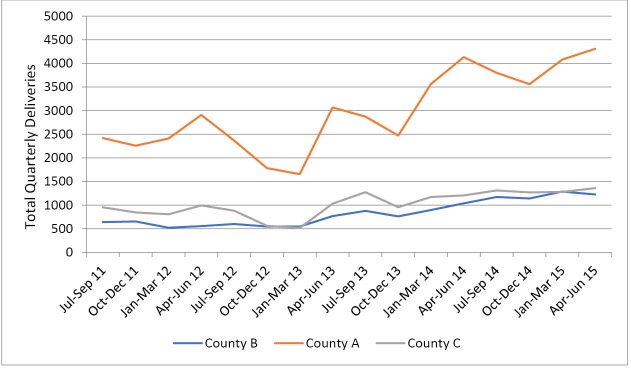
Rapid implementation led to inadequate stakeholder engagement and confusion about the policy. While the policy was meant to cover antenatal visits, deliveries, and post-natal visits, in practice the policy only covered deliveries. While the policy led to a rapid increase in facility deliveries, this was not matched by an increase in health facility capacity and hence compromised quality of care. The policy led to an improvement in the level of revenues for facilities. However, in all three counties, reimbursements were not made on time. The policy did not have a system of verifying health facility reports on utilization of services.
The Kenyan Ministry of Health (MoH) should develop a formal policy on the free maternity services, and provide clear guidelines on its content and implementation arrangements, engage with and effectively communicate the policy to stakeholders, ensure timeliness of payment disbursement to healthcare facilities, and introduce a mechanism for verifying utilization reports prepared by healthcare providers. User fee removal policies such as free maternity programmes should be accompanied by supply side capacity strengthening.
肯尼亚于 2013 年推出了免费产妇政策,以解决获得产妇保健服务的费用障碍。我们对该政策进行了混合方法的过程评估,以检查该政策在多大程度上按照设计实施,以及在实施过程中遇到的积极经验和挑战。
我们在肯尼亚的 3 个选定县进行了一项混合方法研究。通过对国家一级的决策者、县一级的卫生管理人员以及卫生机构一级的一线工作人员(n=60)进行深入访谈(IDIs)、对社区代表进行焦点小组讨论(FGDs)(n=10)、对机构记录和文件进行审查,收集了数据。我们使用框架方法对数据进行了分析。
快速实施导致利益攸关方参与不足和对政策的混淆。虽然该政策旨在涵盖产前检查、分娩和产后检查,但实际上仅涵盖分娩。虽然该政策导致医疗机构分娩量迅速增加,但医疗机构的能力并没有相应增加,因此影响了护理质量。该政策导致了医疗机构收入水平的提高。然而,在这三个县,报销都没有及时发放。该政策没有建立一个核实医疗机构服务利用情况的报告系统。
肯尼亚卫生部(MoH)应制定一项关于免费产妇服务的正式政策,并就其内容和实施安排提供明确的指导方针,与利益攸关方进行接触并有效地沟通政策,确保及时向医疗机构支付款项,并引入一个核实医疗机构提供的利用报告的机制。取消用户付费政策,如免费产妇计划,应同时加强供应方的能力。