Bracey Daniel N, Seyler Thorsten M, Jinnah Alexander H, Lively Mark O, Willey Jeffrey S, Smith Thomas L, Van Dyke Mark E, Whitlock Patrick W
Department of Orthopaedic Surgery, Wake Forest School of Medicine, Winston-Salem, NC 27157, USA.
Department of Orthopaedic Surgery, Duke University School of Medicine, Durham, NC 27710, USA.
J Funct Biomater. 2018 Jul 12;9(3):45. doi: 10.3390/jfb9030045.
Bone grafts are used in approximately one half of all musculoskeletal surgeries. Autograft bone is the historic gold standard but is limited in supply and its harvest imparts significant morbidity to the patient. Alternative sources of bone graft include allografts, synthetics and, less commonly, xenografts which are taken from animal species. Xenografts are available in unlimited supply from healthy animal donors with controlled biology, avoiding the risk of human disease transmission, and may satisfy current demand for bone graft products.
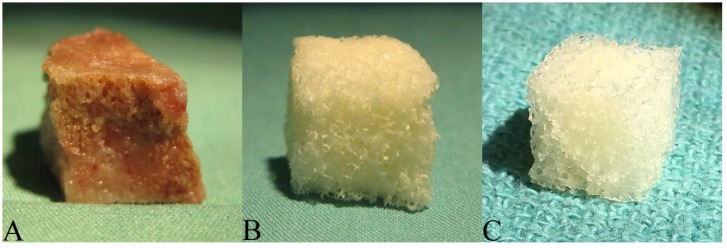
In the current study, cancellous bone was harvested from porcine femurs and subjected to a novel decellularization protocol to derive a bone scaffold.
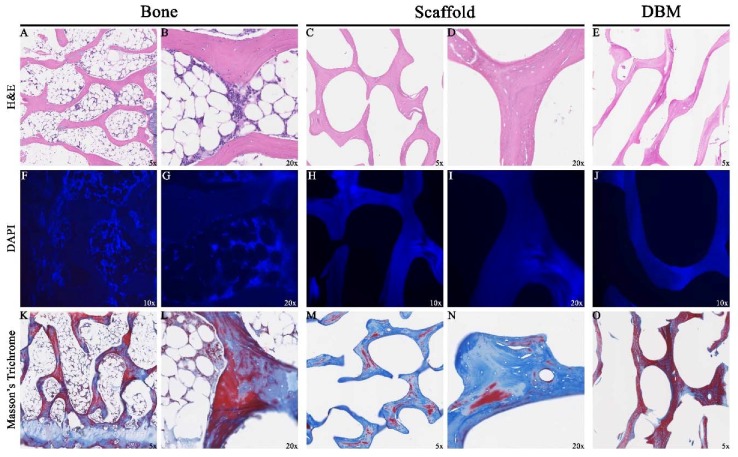
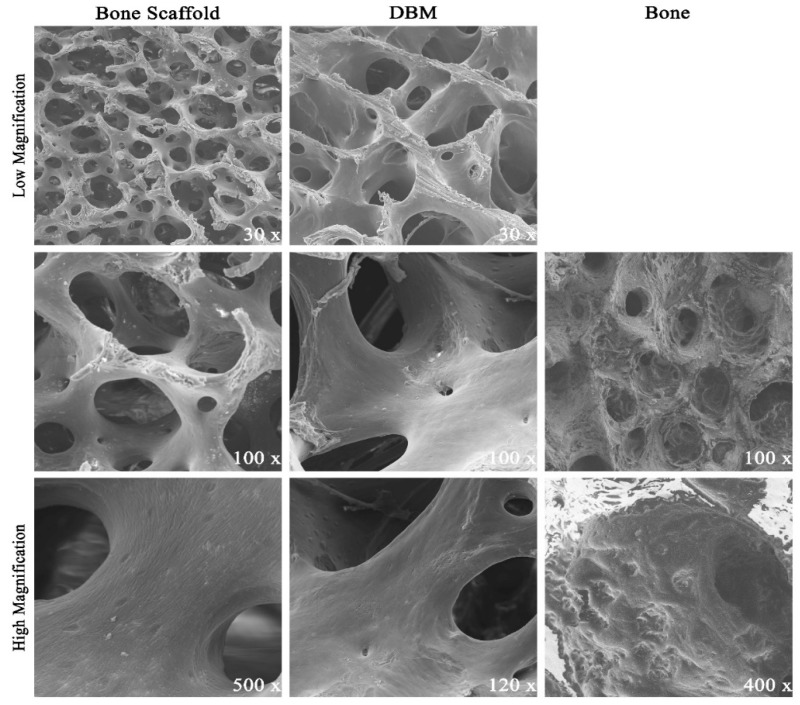
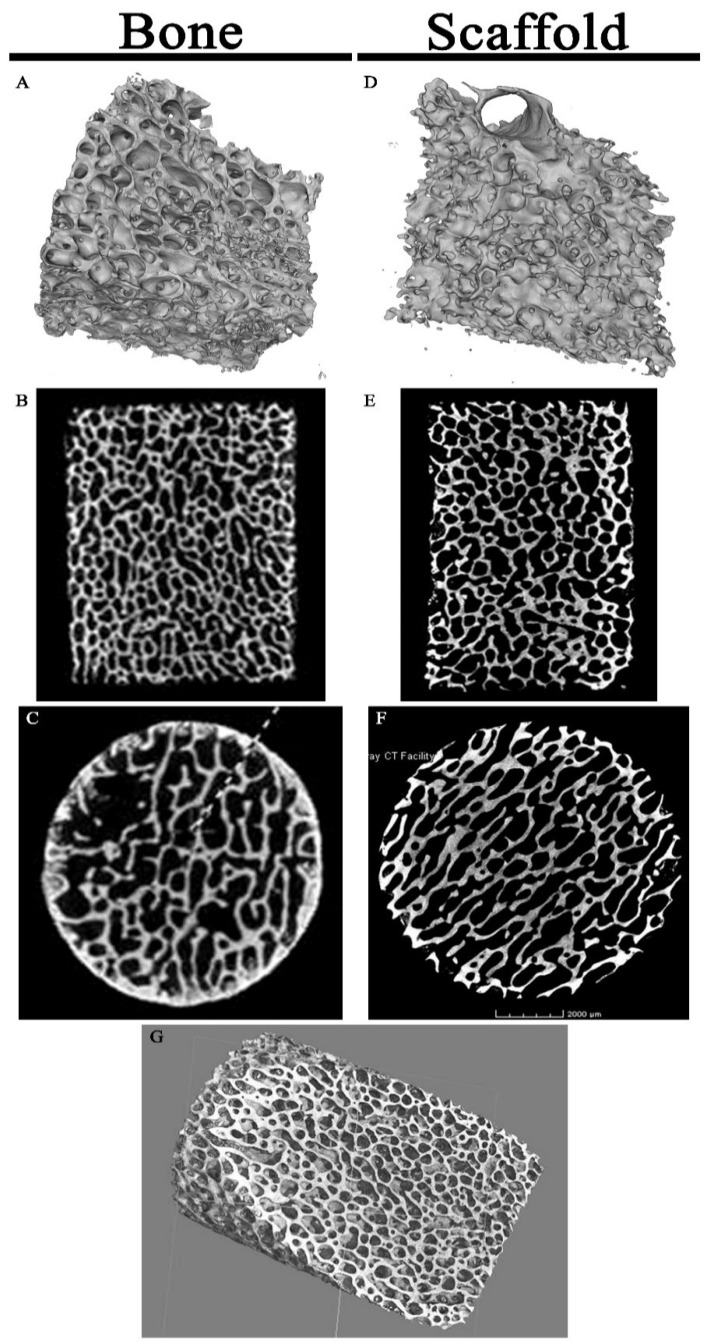
The scaffold was devoid of donor cellular material on histology and DNA sampling ( < 0.01). Microarchitectural properties important for osteoconductive potential were preserved after decellularization as shown by high resolution imaging modalities. Proteomics data demonstrated similar profiles when comparing the porcine bone scaffold against commercially available human demineralized bone matrix approved for clinical use.
We are unaware of any porcine-derived bone graft products currently used in orthopaedic surgery practice. Results from the current study suggest that porcine-derived bone scaffolds warrant further consideration to serve as a potential bone graft substitute.
在所有肌肉骨骼手术中,约有一半会使用骨移植。自体骨是传统的金标准,但来源有限,且获取自体骨会给患者带来显著的发病率。骨移植的替代来源包括同种异体骨、合成材料,较少使用的还有来自动物物种的异种骨。异种骨可从健康动物供体无限量获取,其生物学特性可控,避免了人类疾病传播的风险,并且可能满足当前对骨移植产品的需求。
在本研究中,从猪股骨获取松质骨,并采用一种新的脱细胞方案来制备骨支架。
组织学检查和DNA检测显示(<0.01),该支架不含供体细胞物质。高分辨率成像方式表明,脱细胞后保留了对骨传导潜力重要的微观结构特性。蛋白质组学数据显示,将猪骨支架与已批准临床使用的市售人脱矿骨基质进行比较时,两者具有相似的图谱。
我们不知道目前在骨科手术实践中使用任何猪源骨移植产品。本研究结果表明,猪源骨支架值得进一步考虑作为潜在的骨移植替代品。