Emre Arif, Akbulut Sami, Sertkaya Mehmet, Bitiren Muharrem, Kale Ilhami Taner, Bulbuloglu Ertan
Department of Surgery, Faculty of Medicine, Kahramanmaras Sutcu Imam University, Kahramanmaras, Turkey.
Department of Surgery and Liver Transplant Institute, Faculty of Medicine, Inonu University, Malatya, Turkey.
Prz Gastroenterol. 2018;13(2):109-117. doi: 10.5114/pg.2018.73348. Epub 2018 Feb 7.
The most important risk factors for colorectal cancer are age, high ASA score, anemia, low albumin, tumor stage, histopathological properties, tumor's relationship with adjacent tissues, positivity of surgical borders and timing of the surgical procedure.
To determine possible risk factors for mortality in patients undergoing colorectal cancer surgery.
The medical records of 101 consecutive patients who underwent colorectal cancer surgery at the Department of Surgery, Sutcu Imam University Faculty of Medicine, Kahramanmaras, Turkey between January 2008 and November 2015 were retrospectively reviewed. The patients were divided into two groups: surviving ( = 76) and deceased ( = 25) groups. The groups were compared in terms of several demographic, clinical, biochemical, and histopathological parameters. In addition, risk factors for mortality were analyzed with multivariate analysis. SPSS 22.2, PAST 3, and MedCalc 14 software packages were used for statistical analyses.
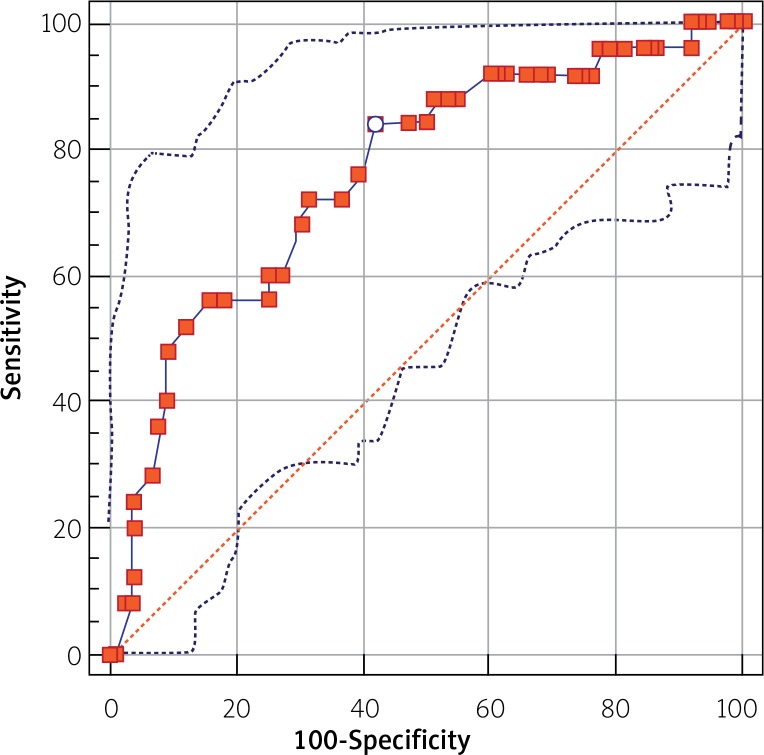
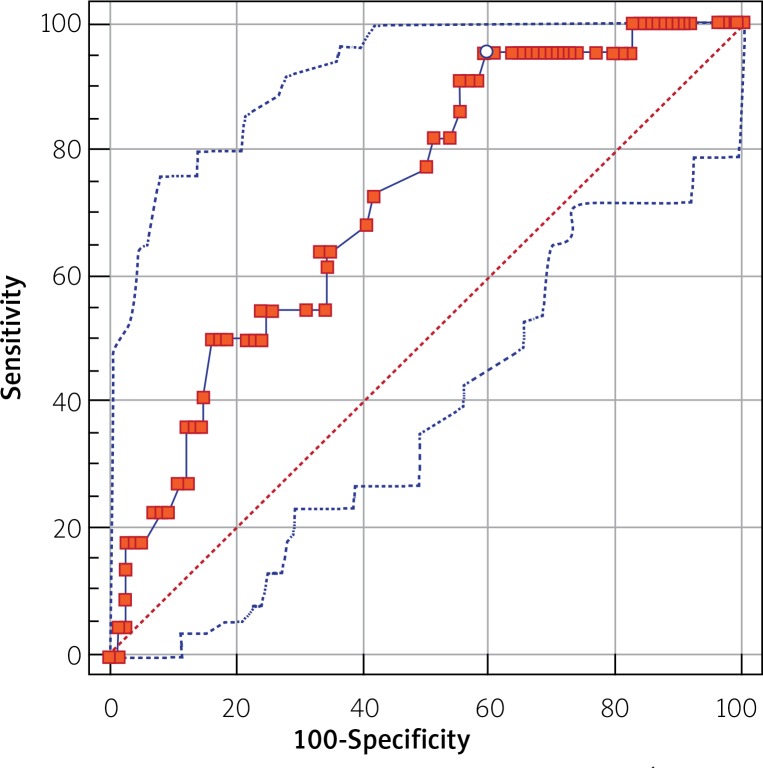
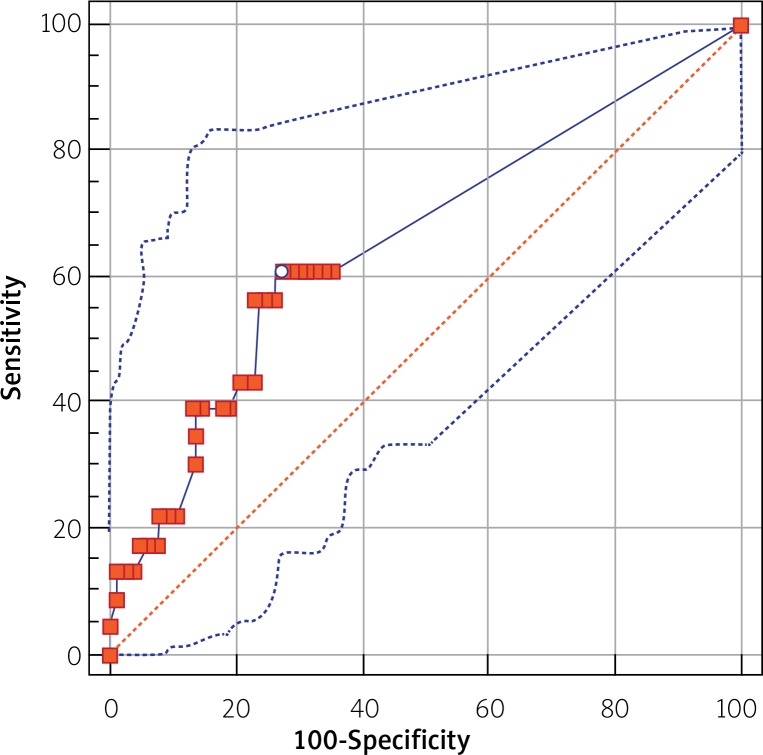
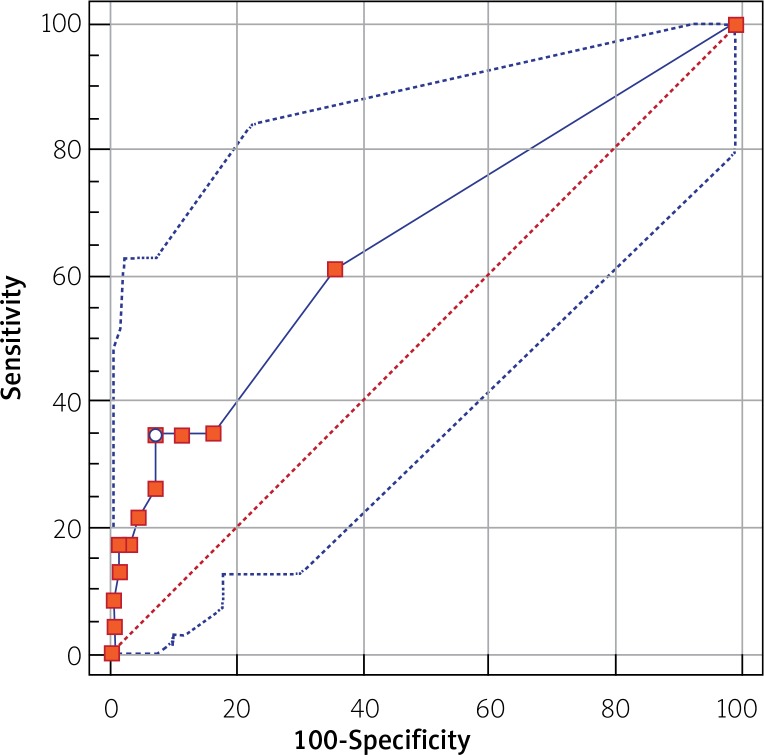
The surviving and deceased groups significantly differed with respect to age ( = 0.001), hemoglobin ( = 0.001), lymph node positivity ( = 0.009), positive lymph node/total lymph node ratio ( = 0.012), thrombocyte count ( = 0.047), lymphovascular invasion ( = 0.028), urgency of admission (emergency/elective) ( = 0.036), and postoperative carcinoembryonic antigen (CEA) level ( = 0.002). A receiver operating characteristics curve was drawn to determine the cut-off values of various parameters including age (63), hemoglobin (12.8), node positivity (3), positive/total lymph node ratio (0.435) and thrombocyte count (308), with age ( < 0.001), hemoglobin ( < 0.001), node positivity ( = 0.025) and positive/total lymph node ratio ( = 0.024) being significantly different. A multivariate analysis revealed that age ( = 0.049), hemoglobin ( = 0.045), and positive/total lymph node ratio ( = 0.025) were independent risk factors for mortality.
This study shows that older age, lower hemoglobin level, and high positive/total lymph node ratio were independent risk factors for mortality among colorectal cancer patients.
结直肠癌最重要的危险因素包括年龄、高美国麻醉医师协会(ASA)评分、贫血、低白蛋白、肿瘤分期、组织病理学特征、肿瘤与相邻组织的关系、手术切缘阳性以及手术时机。
确定接受结直肠癌手术患者死亡的可能危险因素。
回顾性分析2008年1月至2015年11月在土耳其卡赫拉曼马拉什苏图伊玛目大学医学院外科接受结直肠癌手术的101例连续患者的病历。患者分为两组:存活组(n = 76)和死亡组(n = 25)。比较两组在多个人口统计学、临床、生化和组织病理学参数方面的差异。此外,采用多因素分析方法分析死亡的危险因素。使用SPSS 22.2、PAST 3和MedCalc 14软件包进行统计分析。
存活组和死亡组在年龄(P = 0.001)、血红蛋白(P = 0.001)、淋巴结阳性(P = 0.009)、阳性淋巴结/总淋巴结比值(P = 0.012)、血小板计数(P = 0.047)、淋巴管侵犯(P = 0.028)、入院紧急程度(急诊/择期)(P = 0.036)和术后癌胚抗原(CEA)水平(P = 0.002)方面存在显著差异。绘制受试者工作特征曲线以确定包括年龄(63岁)、血红蛋白(12.8 g/dL)、淋巴结阳性(3个)、阳性/总淋巴结比值(0.435)和血小板计数(308×10⁹/L)等各种参数的临界值,其中年龄(P < 0.001)、血红蛋白(P < 0.001)、淋巴结阳性(P = 0.025)和阳性/总淋巴结比值(P = 0.024)差异有统计学意义。多因素分析显示年龄(P = 0.049)、血红蛋白(P = 0.045)和阳性/总淋巴结比值(P = 0.025)是死亡的独立危险因素。
本研究表明,年龄较大、血红蛋白水平较低和高阳性/总淋巴结比值是结直肠癌患者死亡的独立危险因素。