Gabriel-Salazar Marina, Morancho Anna, Rodriguez Susana, Buxó Xavi, García-Rodríguez Nicolás, Colell Guillem, Fernandez Albert, Giralt Dolors, Bustamante Alejandro, Montaner Joan, Rosell Anna
Neurovascular Research Laboratory and Neurology Department, Vall d'Hebron Research Institute, Universitat Autònoma de Barcelona, Barcelona, Spain.
Unidad de Rehabilitación Neurológica y Daño Cerebral, Hospital Vall d'Hebron, Barcelona, Spain.
Front Neurol. 2018 Jun 29;9:508. doi: 10.3389/fneur.2018.00508. eCollection 2018.
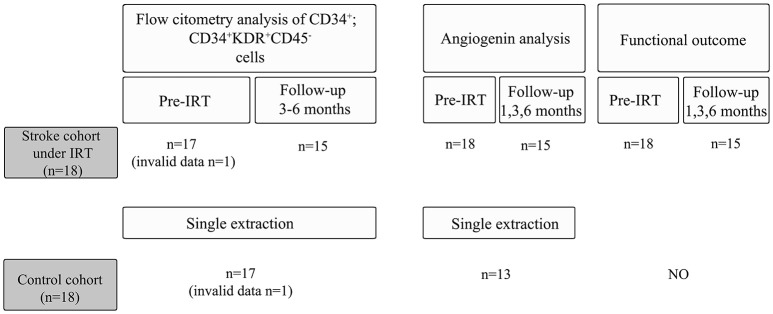
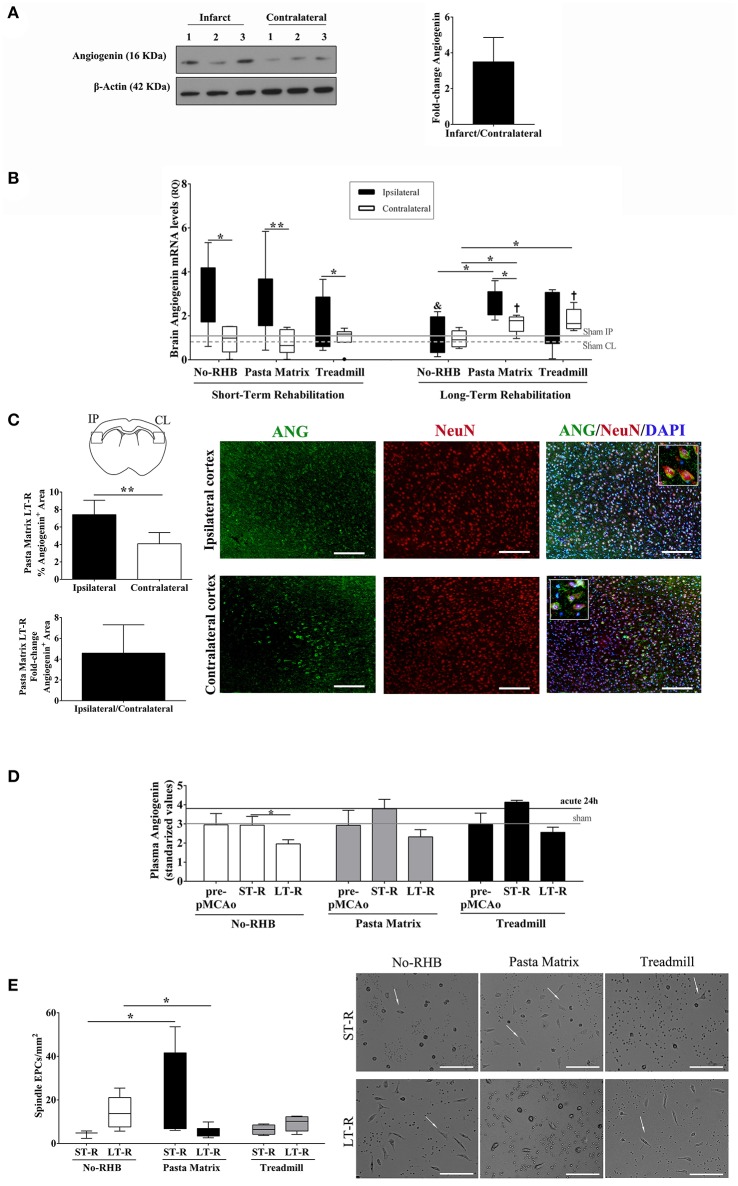
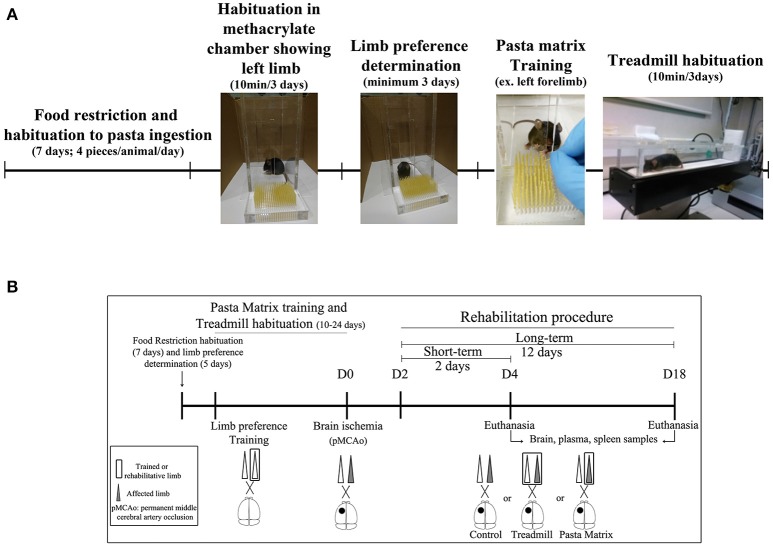
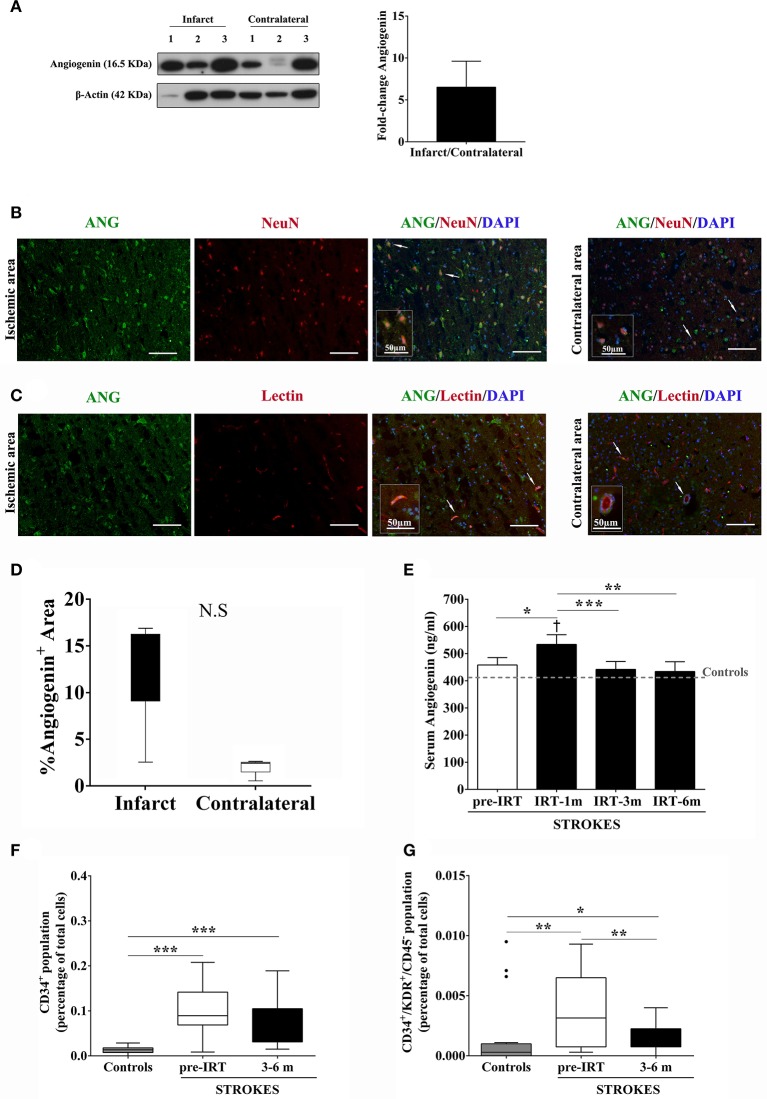
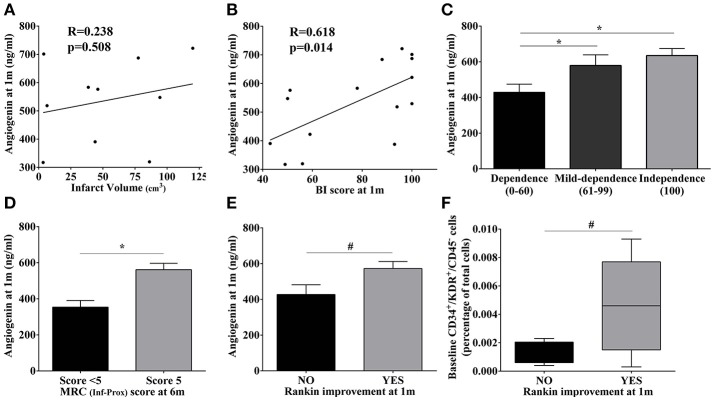
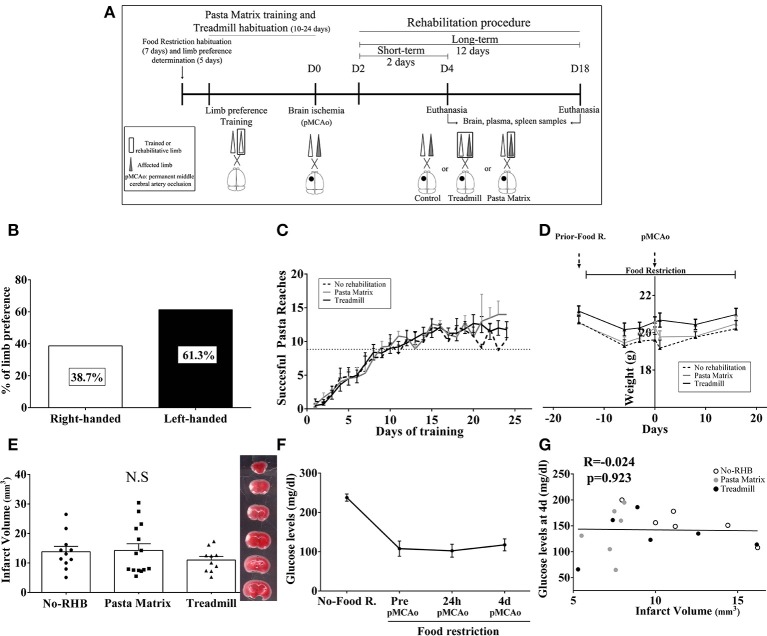
Rehabilitation therapy is the only available treatment for stroke survivors presenting neurological deficits; however, the underlying molecules and mechanisms associated with functional/motor improvement during rehabilitation are poorly understood. Our aim is to study the modulation of angiogenin and endothelial progenitor cells (EPCs) as repair-associated factors in a cohort of stroke patients and mouse models of rehabilitation after cerebral ischemia. The clinical study included 18 ischemic strokes admitted to an intensive rehabilitation therapy (IRT) unit, 18 non-ischemic controls and brain samples from three deceased patients. Angiogenin and EPCs were measured in blood obtained before and up to 6 months after IRT together with an extensive evaluation of the motor/functional status. In parallel, C57BL/6 mice underwent middle cerebral artery occlusion, and the pasta matrix reaching-task or treadmill exercises were used as rehabilitation models. Angiogenin RNA expression was measured after 2 or 12 days of treatment together with cell counts from EPCs cultures. Brain angiogenin was identified in both human and mouse tissue, whereas serum levels increased after 1 month of IRT in association with motor/functional improvement. EPC populations were increased after stroke and remained elevated during follow-up after IRT. The mouse model of rehabilitation by the task-specific pasta matrix exercise increased the number of EPCs at 2 days and increased angiogenin expression after 12 days of rehabilitation. Angiogenin and EPCs are modulated by rehabilitation after cerebral ischemia, suggesting that both angiogenin and EPCs could serve as biomarkers of improvement during rehabilitation or future therapeutic targets.
康复治疗是中风幸存者出现神经功能缺损时唯一可用的治疗方法;然而,康复过程中与功能/运动改善相关的潜在分子和机制却知之甚少。我们的目的是在一组中风患者和脑缺血后康复的小鼠模型中研究血管生成素和内皮祖细胞(EPCs)作为修复相关因子的调节情况。临床研究包括18名入住强化康复治疗(IRT)单元的缺血性中风患者、18名非缺血性对照者以及来自三名已故患者的脑样本。在IRT前及IRT后长达6个月采集的血液中检测血管生成素和EPCs,并对运动/功能状态进行广泛评估。同时,C57BL/6小鼠接受大脑中动脉闭塞手术,并将面食基质到达任务或跑步机运动用作康复模型。在治疗2天或12天后测量血管生成素RNA表达,并对EPCs培养物进行细胞计数。在人和小鼠组织中均鉴定出脑血管生成素,而IRT 1个月后血清水平升高,与运动/功能改善相关。中风后EPCs数量增加,IRT后的随访期间一直保持升高。通过特定任务的面食基质运动进行康复的小鼠模型在2天时增加了EPCs数量,康复12天后增加了血管生成素表达。脑缺血后血管生成素和EPCs受到康复的调节,这表明血管生成素和EPCs都可作为康复过程中改善的生物标志物或未来的治疗靶点。